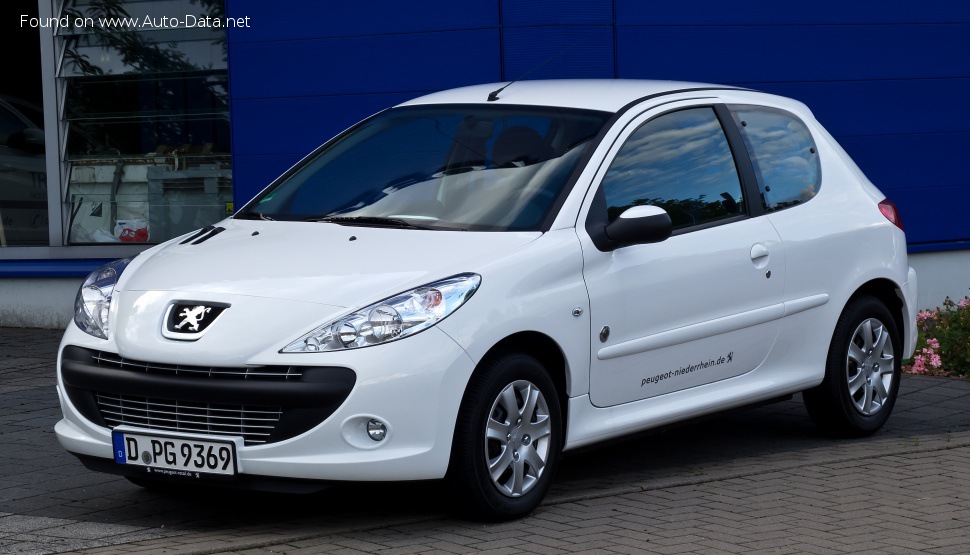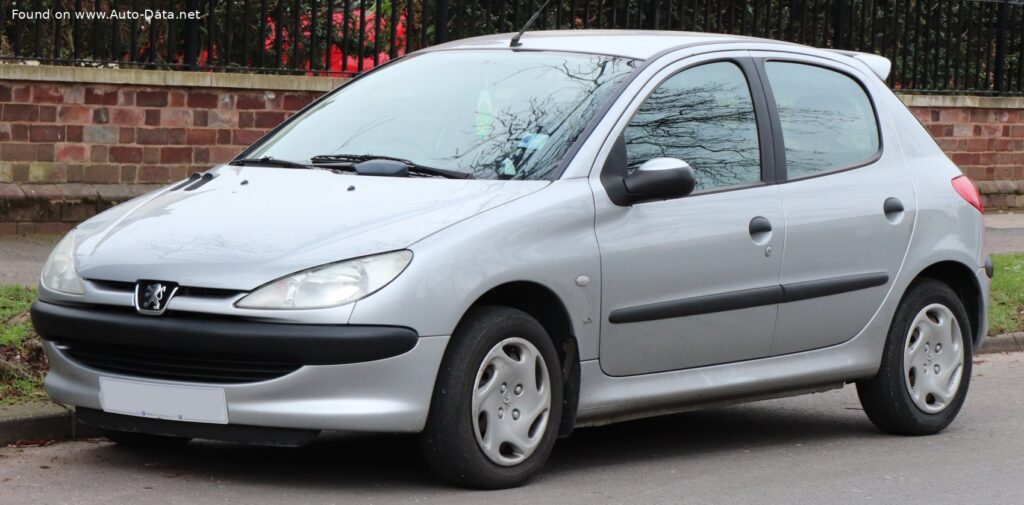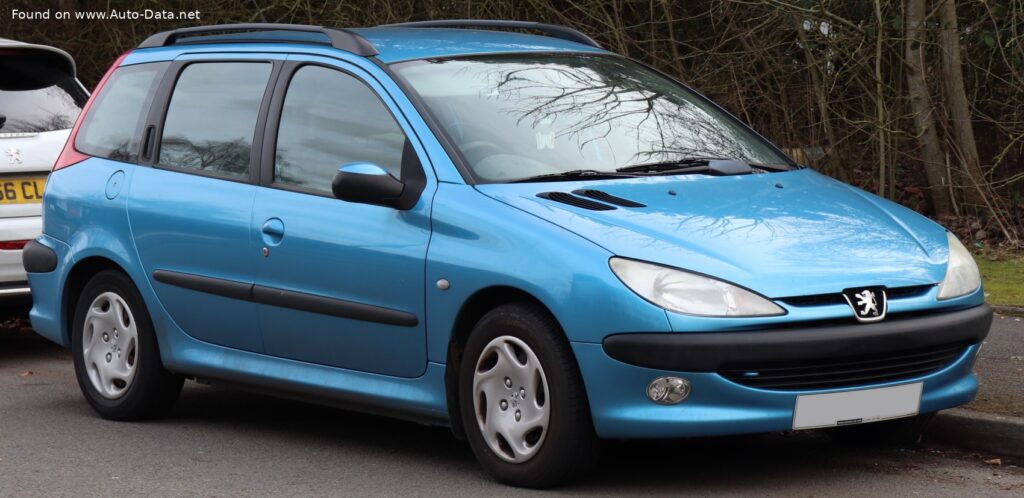
The Peugeot 206 SW 1.6i 16V, produced between 2002 and 2007, was a popular variant of Peugeot’s successful 206 series, specifically the station wagon (SW) body style. This model represented a practical and versatile option within the 206 lineup, offering increased cargo capacity compared to the standard hatchback. It was positioned as a mid-range offering, bridging the gap between the more basic engine options and the performance-oriented GTI models. The 206 SW itself was built on the T1 platform, shared with the Citroën 206 and shared components with other Peugeot and Citroën vehicles of the era.
Powertrain & Engine Architecture
The heart of the 206 SW 1.6i 16V is the NFU (and sometimes TU5JP4) engine, a 1.6-liter inline four-cylinder gasoline engine. This engine is a naturally aspirated unit, meaning it does not utilize a turbocharger or supercharger. It features a double overhead camshaft (DOHC) design with four valves per cylinder – hence the “16V” designation – contributing to its relatively high power output for its displacement. The engine utilizes multi-point fuel injection, delivering fuel directly into the intake ports. This system, common for its time, provided a balance between efficiency and performance.
The engine’s bore and stroke are 78mm x 83mm, resulting in a displacement of 1587cc (96.84 cubic inches). A compression ratio of 11:1 was employed, optimizing combustion for power and efficiency. The engine produced 110 horsepower (hp) at 5800 rpm and 110 Newton-meters (81.13 lb-ft) of torque at 4000 rpm. While not a high-revving powerhouse, the engine provided adequate performance for everyday driving and load-carrying duties.
The 206 SW 1.6i 16V was exclusively offered with a 5-speed manual transmission. This transmission was chosen for its efficiency and driver engagement, aligning with the overall character of the 206 as a relatively affordable and practical vehicle. The gear ratios were tuned to provide a balance between acceleration and fuel economy, with a final drive ratio optimized for cruising speeds.
Engine Code Specifics
The NFU engine code is the most commonly associated with this variant. The TU5JP4 code was also used in some markets. Both are fundamentally the same engine, with minor variations potentially relating to emissions control equipment or specific market requirements. These engines are known for their relative simplicity and robustness, making them relatively easy to maintain.
Driving Characteristics
The 206 SW 1.6i 16V offered a comfortable and predictable driving experience. Acceleration from 0 to 100 km/h (0-62 mph) took approximately 11.8 seconds, and 0-60 mph was achieved in around 11.2 seconds. While these figures aren’t particularly impressive by modern standards, they were competitive within the small station wagon segment at the time. The engine delivered its power in a linear fashion, making it easy to modulate and control. The 5-speed manual transmission allowed drivers to keep the engine in its optimal power band, enhancing responsiveness.
Compared to the lower-powered 1.4-liter versions of the 206 SW, the 1.6i 16V offered a noticeable improvement in performance, particularly when carrying a full load or tackling inclines. It didn’t possess the sporty character of the 206 GTI, but it provided a more relaxed and refined driving experience. The suspension, tuned for comfort, absorbed bumps and imperfections in the road well, contributing to a pleasant ride quality. The steering, while not overly communicative, was precise and predictable.
Equipment & Trim Levels
The 206 SW 1.6i 16V typically came equipped with a reasonable level of standard features. These included power steering, central locking, electric front windows, and an adjustable steering column. Safety features such as ABS (Anti-lock Braking System) were also standard. Interior upholstery was typically cloth, with a durable and practical finish. The dashboard layout was functional and ergonomically designed, with easy-to-read gauges and controls.
Optional extras available for this trim level included air conditioning, alloy wheels, a CD player, and rear electric windows. Higher trim levels, often denoted by specific package names, could add features such as automatic headlights, rain-sensing wipers, and upgraded interior trim. The SW body style itself offered a significant advantage in terms of practicality, with a versatile cargo area that could be expanded by folding down the rear seats.
Chassis & Braking
The 206 SW 1.6i 16V utilized a MacPherson strut front suspension and a coil spring rear suspension. This setup provided a good balance between ride comfort and handling. The front suspension featured a stabilizer bar to reduce body roll during cornering. The braking system consisted of ventilated discs on the front wheels and discs on the rear wheels. The ABS system helped to prevent wheel lockup during hard braking, enhancing safety and control.
The curb weight of the 206 SW 1.6i 16V was approximately 1073 kg (2365.56 lbs). This relatively low weight contributed to its decent fuel economy and acceptable performance. The weight distribution was reasonably balanced, further enhancing its handling characteristics.
Market Reception & Comparison
The Peugeot 206 SW 1.6i 16V was generally well-received by automotive critics. It was praised for its practicality, comfortable ride, and relatively fuel-efficient engine. Critics noted that it wasn’t the most exciting car to drive, but it offered a good balance of features and value for money. Fuel economy figures were around 6.7 l/100 km (35.1 US mpg) combined, making it an economical choice for everyday use.
Compared to other trims in the 206 SW lineup, the 1.6i 16V offered a significant performance advantage over the 1.4-liter models. It was also more affordable than the high-performance GTI version. In terms of reliability, the 1.6i 16V engine proved to be generally robust, although regular maintenance was essential to prevent issues. Some common problems reported by owners included issues with the electric windows and central locking system.
Technical Specifications
| Engine Type | 1.6L Inline-4 |
| Engine Code | NFU (TU5JP4) |
| Displacement | 1587 cc (96.84 cu in) |
| Horsepower | 110 hp @ 5800 rpm |
| Torque | 110 Nm (81.13 lb-ft) @ 4000 rpm |
| Fuel Injection | Multi-point |
| Compression Ratio | 11:1 |
| Transmission | 5-speed Manual |
| Drive Wheels | Front |
| Curb Weight | 1073 kg (2365.56 lbs) |
| Maximum Speed | 193 km/h (119.92 mph) |
| 0-100 km/h | 11.8 sec |
| Fuel Consumption (Combined) | 6.7 l/100 km (35.1 US mpg) |
| Fuel Tank Capacity | 50 liters (13.21 US gal) |
| Trunk Space (Min/Max) | 313 l / 1136 l (11.05 cu ft / 40.12 cu ft) |
Legacy
The Peugeot 206 SW 1.6i 16V remains a popular choice in the used car market, particularly for those seeking a practical and affordable station wagon. The NFU engine is known for its durability and relatively low maintenance costs, making it a reliable option for budget-conscious buyers. However, as with any used car, it’s important to inspect the vehicle thoroughly and check its service history before purchasing. Common issues to look out for include rust, worn suspension components, and electrical problems. Overall, the 206 SW 1.6i 16V represents a well-rounded and versatile vehicle that continues to offer good value for money.