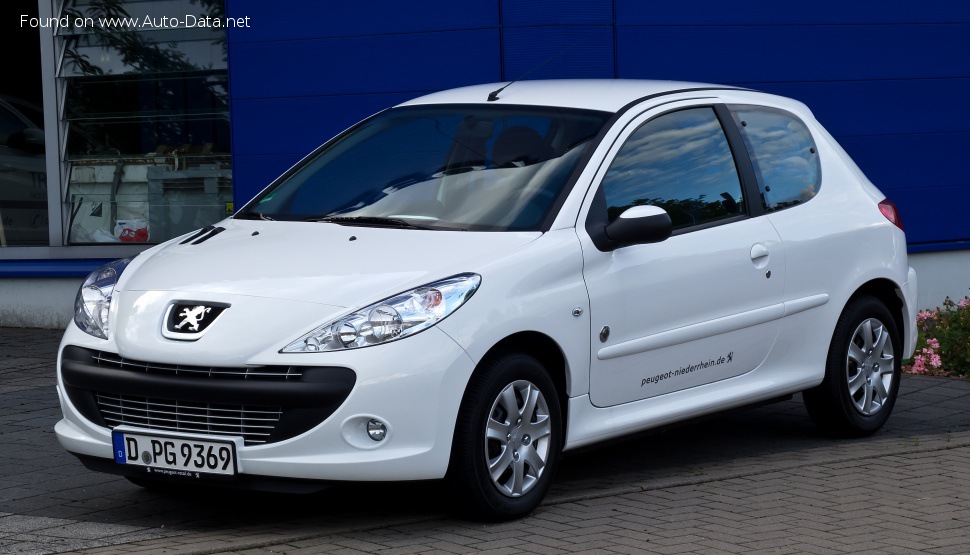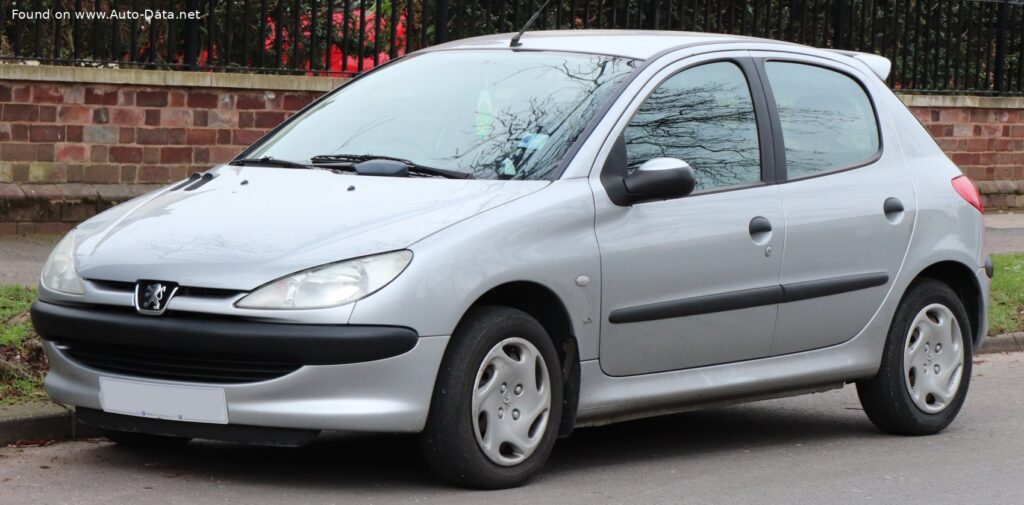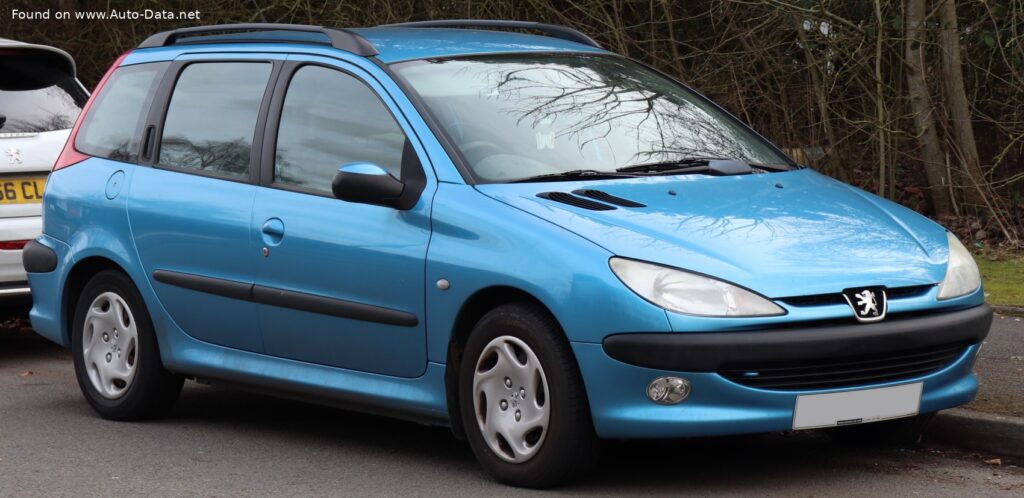
The Peugeot 206 SW 2.0 HDi Dturbo (90 hp) was a station wagon variant of the popular Peugeot 206, produced between 2002 and 2007. It represented a practical and fuel-efficient option within the 206 range, capitalizing on the growing demand for compact estates in the European market. This specific model combined a 2.0-liter turbocharged diesel engine with a five-speed manual transmission, positioning it as a mid-range offering within the SW lineup, above the naturally aspirated petrol engines but below the more powerful HDi variants. The 206 SW itself was based on the 206 platform (T1 platform), offering increased cargo capacity compared to the standard hatchback.
The 2.0 HDi Dturbo Engine and its Role in the 206 SW Lineup
The 2.0 HDi Dturbo engine, designated RHY/DW10TD, was a key component of the 206 SW’s appeal. Peugeot, along with Citroën, had established a strong reputation for diesel engine technology, and the DW10 engine family was a cornerstone of their offerings. This engine was chosen for the 206 SW to provide a balance of performance and economy, appealing to buyers who needed the practicality of a station wagon but were mindful of fuel costs. Compared to the smaller 1.4 and 1.6 liter petrol engines available in the 206 SW, the 2.0 HDi offered significantly more torque, making it better suited for carrying loads and tackling longer journeys. It also provided better fuel economy. However, it wasn’t positioned as a performance model; higher-output versions of the 2.0 HDi were available in other 206 variants, and the 206 GTI offered a completely different driving experience focused on sporty handling.
Powertrain & Engine Architecture
The RHY DW10TD engine is a 1997 cc (121.86 cu. in.) inline four-cylinder diesel engine. It features a cast iron block and an aluminum cylinder head, employing a double overhead camshaft (DOHC) valvetrain with two valves per cylinder. The engine utilizes a common rail direct fuel injection system, delivering fuel at extremely high pressure for optimized combustion. This system, coupled with a turbocharger and intercooler, allowed the engine to produce 90 hp (67 kW) at 4000 rpm and 205 Nm (151.2 lb-ft) of torque at 2000 rpm. The turbocharger significantly boosted power output, while the intercooler cooled the intake air, increasing density and further improving performance. The compression ratio is a high 18:1, typical for diesel engines, contributing to their efficiency. The engine oil capacity is 4.75 liters (5.02 US qt / 4.18 UK qt), and the recommended oil specification should be consulted in the vehicle’s owner’s manual.
The five-speed manual transmission paired with the engine was a standard unit for the 206 range. Gear ratios were tuned to maximize fuel efficiency and provide adequate acceleration. First gear was relatively short for easy starting from a standstill, while fifth gear was geared for comfortable cruising on motorways. The transmission’s shift quality was generally considered smooth, although not particularly sporty.
Driving Characteristics
The 206 SW 2.0 HDi Dturbo offered a comfortable and practical driving experience. The 90 hp output wasn’t overwhelming, but the 205 Nm of torque provided ample pulling power for everyday driving. Acceleration from 0 to 62 mph (0-100 km/h) took around 11.5 seconds, and the top speed was approximately 111.23 mph (179 km/h). The engine was relatively quiet for a diesel, although some engine noise was noticeable at higher revs. The turbocharger provided a noticeable boost in power from around 1800 rpm, making overtaking maneuvers relatively effortless. Compared to the petrol-powered 206 SW models, the HDi offered superior fuel economy and a more relaxed driving experience, particularly on long journeys. Compared to the higher-powered HDi variants, the 90 hp version felt less urgent, but it was still more than capable of handling everyday driving needs. The front-wheel-drive configuration provided predictable handling, although it wasn’t as engaging as the more sporty 206 models.
Equipment & Trim Levels
The 206 SW 2.0 HDi Dturbo typically came with a reasonable level of standard equipment. This included power steering, central locking, electric front windows, and an adjustable steering column. Safety features included ABS (Anti-lock Braking System) and driver and passenger airbags. Interior upholstery was typically cloth, with a functional and durable design. Optional extras included air conditioning, alloy wheels, a CD player, and rear electric windows. Trim levels varied depending on the market, but generally, the 2.0 HDi Dturbo sat in the mid-range of the SW lineup, offering a good balance of features and affordability. The dashboard layout was typical of the 206, with a clear and straightforward instrument cluster.
Chassis & Braking
The 206 SW’s chassis featured a MacPherson strut front suspension and a coil spring rear suspension. This setup provided a comfortable ride, although it wasn’t particularly sporty. The suspension was tuned to prioritize ride comfort over handling precision. The front brakes were ventilated discs, providing good stopping power, while the rear brakes were discs. The kerb weight of the 206 SW 2.0 HDi Dturbo was approximately 1116 kg (2460.36 lbs), which contributed to its relatively nimble handling. The steering was a hydraulic power steering system, providing a light and easy steering feel.
Market Reception & Comparison
The Peugeot 206 SW 2.0 HDi Dturbo was generally well-received by automotive critics. It was praised for its fuel efficiency, practicality, and comfortable ride. Critics noted that the engine provided ample power for everyday driving, and the spacious interior and large cargo area made it a versatile vehicle. Fuel economy figures were impressive, with combined fuel consumption averaging around 5.1 l/100 km (46.1 US mpg / 55.4 UK mpg). Compared to the petrol-powered 206 SW models, the HDi offered significantly better fuel economy. Compared to other compact estates in its class, such as the Renault Mégane Estate and the Ford Focus Estate, the 206 SW offered a competitive package in terms of price, fuel economy, and practicality. Reliability was generally good, although some owners reported issues with the diesel particulate filter (DPF) and the common rail fuel injection system.
Technical Specifications
| Engine Type | 2.0 HDi Dturbo (RHY/DW10TD) |
| Engine Displacement | 1997 cm3 (121.86 cu. in.) |
| Number of Cylinders | 4, Inline |
| Power Output | 90 hp (67 kW) @ 4000 rpm |
| Torque Output | 205 Nm (151.2 lb-ft) @ 2000 rpm |
| Fuel Injection | Diesel Commonrail |
| Turbocharger | Yes, with Intercooler |
| Compression Ratio | 18:1 |
| Transmission | 5-speed Manual |
| Drive Wheels | Front |
| Kerb Weight | 1116 kg (2460.36 lbs) |
| Maximum Speed | 179 km/h (111.23 mph) |
| Fuel Consumption (Combined) | 5.1 l/100 km (46.1 US mpg / 55.4 UK mpg) |
| Fuel Tank Capacity | 50 l (13.21 US gal / 11 UK gal) |
| Length | 4028 mm (158.58 in) |
| Width | 1673 mm (65.87 in) |
| Height | 1460 mm (57.48 in) |
Legacy
The Peugeot 206 SW 2.0 HDi Dturbo remains a popular choice in the used car market, particularly for buyers seeking a practical and fuel-efficient estate car. The DW10 engine is known for its durability, although regular maintenance is essential to prevent issues with the DPF and fuel injection system. Parts availability is generally good, and the 206 SW is relatively easy to maintain. While it may not offer the same level of refinement or technology as more modern vehicles, the 206 SW 2.0 HDi Dturbo continues to provide a reliable and affordable transportation solution for many drivers. Its blend of practicality, economy, and reasonable performance has ensured its enduring appeal.