
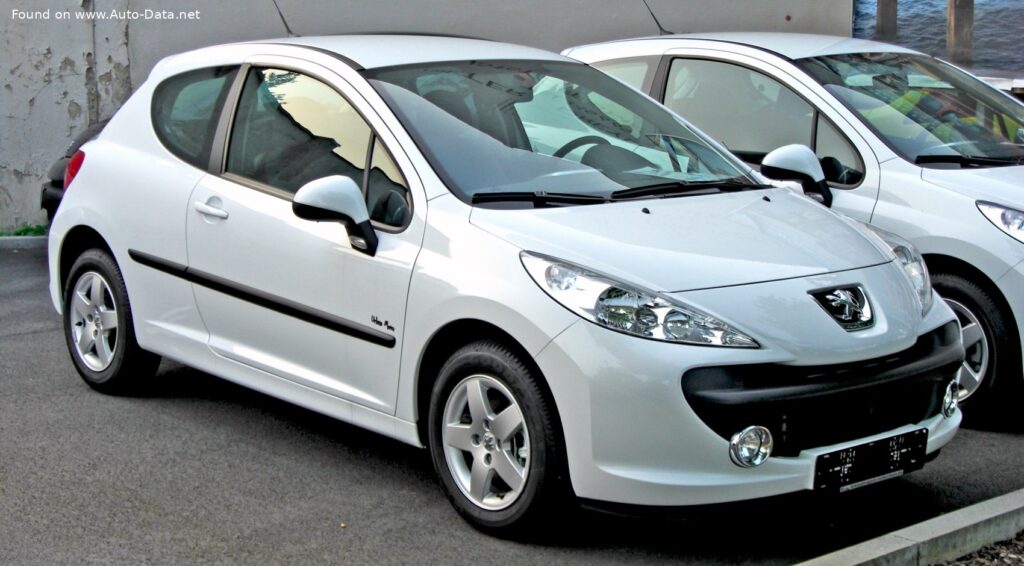
The Peugeot 207 1.6 i 16V (120 Hp), produced between 2007 and 2009, was a key variant within the second generation of Peugeot’s highly successful 207 supermini. Introduced in 2006 as a replacement for the 206, the 207 was designed to appeal to the European market’s demand for stylish, fuel-efficient, and practical small hatchbacks. This 1.6-liter version occupied a mid-range position in the 207 lineup, offering a balance between affordability and performance, bridging the gap between the base 1.4-liter models and the more powerful, albeit more expensive, GT and diesel variants. It was a popular choice for drivers seeking a versatile vehicle suitable for both city driving and longer journeys.
Powertrain & Engine Architecture
The Peugeot 207 1.6 i 16V (120 Hp) is powered by the 5FW EP6 engine, a 1.6-liter (1598 cc or 97.52 cubic inches) naturally aspirated inline four-cylinder gasoline engine. This engine is part of the Prince engine family, a collaborative effort between PSA Peugeot Citroën and BMW. The Prince engine family was designed with a focus on efficiency, reduced friction, and advanced technology. The 5FW EP6 features a Double Overhead Camshaft (DOHC) valvetrain with 16 valves – four valves per cylinder – optimizing airflow for improved performance. Fuel delivery is managed by a multi-point sequential fuel injection system, ensuring precise fuel metering and efficient combustion.
The engine’s design incorporates several features aimed at reducing internal friction, including coated piston rings and lightweight components. This contributes to improved fuel economy and reduced emissions. The engine produces 120 horsepower (89.5 kW) at 6000 rpm and 118.01 lb-ft (160 Nm) of torque at 4250 rpm. The engine is typically paired with a five-speed manual transmission, although a four-speed automatic transmission was also available, albeit less common. The automatic transmission, while offering convenience, generally resulted in slightly reduced fuel economy and acceleration compared to the manual version. The engine is front-mounted and transversely positioned, driving the front wheels.
Fuel Injection and Valvetrain Details
The multi-point sequential fuel injection system used in the 5FW EP6 engine is a sophisticated system that delivers fuel directly to each intake valve. This allows for precise control over fuel delivery, optimizing combustion efficiency and reducing emissions. The DOHC valvetrain, with its four valves per cylinder, enhances volumetric efficiency, allowing the engine to breathe more effectively at higher engine speeds. This contributes to the engine’s responsive performance and its ability to deliver strong power throughout the rev range. The engine also features a variable valve timing system, further optimizing performance and fuel economy by adjusting valve timing based on engine load and speed.
Driving Characteristics
The Peugeot 207 1.6 i 16V (120 Hp) offers a noticeably more spirited driving experience compared to the lower-powered 1.4-liter variants. The 120 horsepower engine provides ample power for everyday driving, with brisk acceleration and comfortable cruising speeds. Acceleration from 0 to 60 mph is achieved in approximately 9.1 seconds, and the car has a top speed of around 124 mph (200 km/h). While not a performance-oriented vehicle, the 1.6-liter engine delivers a responsive and engaging driving experience, particularly when compared to diesel-powered models which often prioritize fuel economy over outright acceleration.
The five-speed manual transmission is well-matched to the engine’s power characteristics, offering smooth gear changes and a satisfying driving feel. The gear ratios are optimized for both city driving and highway cruising, providing good acceleration in lower gears and relaxed cruising at higher speeds. The automatic transmission, while convenient, can feel somewhat sluggish compared to the manual, and may result in the engine operating at higher rpm levels, impacting fuel economy. The 207’s suspension provides a comfortable ride, absorbing bumps and imperfections in the road surface effectively. The steering is precise and responsive, providing good feedback to the driver.
Equipment & Trim Levels
The 1.6 i 16V variant of the Peugeot 207 was typically offered in several trim levels, including ‘Urban’, ‘Sport’, and ‘SE’. Standard equipment generally included air conditioning, power steering, electric front windows, a CD player with MP3 compatibility, and ABS brakes. Higher trim levels, such as the ‘Sport’ and ‘SE’, added features like alloy wheels, rear electric windows, a trip computer, and upgraded interior trim. Optional extras included a panoramic sunroof, parking sensors, and a navigation system. Interior upholstery typically consisted of cloth seats, with higher trim levels offering the option of partial leather upholstery.
The dashboard layout was generally clean and functional, with easy-to-read instruments and logically placed controls. The 207 offered a reasonable level of interior space for a supermini, with comfortable seating for five adults. The rear seats could be folded down to increase luggage capacity, providing added versatility. The 3-door and 5-door body styles were available, with the 5-door version offering easier access to the rear seats.
Chassis & Braking
The Peugeot 207 utilizes a McPherson strut suspension system at the front, providing a comfortable ride and responsive handling. The rear suspension employs a semi-independent torsion beam setup, which is cost-effective and provides adequate ride quality for everyday driving. The chassis is relatively lightweight, contributing to the car’s agility and fuel efficiency. Braking is handled by ventilated disc brakes at the front and drum brakes at the rear. ABS (Anti-lock Braking System) is standard on all 1.6 i 16V models, enhancing braking performance and safety. The steering system is a rack and pinion type, providing precise and responsive steering feel. The 207 typically rides on 15-inch or 16-inch alloy wheels, fitted with 195/55 R16 tires, offering a good balance of grip and ride comfort.
Market Reception & Comparison
The Peugeot 207 1.6 i 16V (120 Hp) was generally well-received by automotive critics. It was praised for its stylish design, comfortable ride, and responsive engine. Compared to the base 1.4-liter models, the 1.6-liter version offered a significant improvement in performance, making it a more enjoyable car to drive. Fuel economy was also considered to be good for a gasoline engine of its output, averaging around 38.6 US mpg (6.1 l/100 km) in combined driving. Compared to the diesel-powered 207 models, the 1.6-liter gasoline engine offered a more refined and quieter driving experience, although it typically delivered slightly lower fuel economy. The 207 competed directly with other popular superminis such as the Renault Clio, Ford Fiesta, and Volkswagen Polo. It was often seen as a more stylish and comfortable alternative to the Fiesta, while offering a similar level of practicality to the Clio and Polo.
Technical Specifications
| Category | Specification |
| Brand | Peugeot |
| Model | 207 |
| Generation | 207 |
| Engine Type | 1.6 i 16V (120 Hp) |
| Production Start | 2007 |
| Production End | 2009 |
| Powertrain Architecture | Internal Combustion Engine |
| Body Type | Hatchback |
| Seats | 5 |
| Doors | 3-5 |
| Fuel Consumption (Urban) | 8.4 l/100 km (28 US mpg) |
| Fuel Consumption (Extra Urban) | 4.8 l/100 km (49 US mpg) |
| Fuel Consumption (Combined) | 6.1 l/100 km (38.6 US mpg) |
| Fuel Type | Petrol (Gasoline) |
| Acceleration 0-60 mph | 9.1 sec |
| Acceleration 0-100 km/h | 9.6 sec |
| Maximum Speed | 124.27 mph (200 km/h) |
| Emission Standard | Euro 4 |
| Power | 120 Hp @ 6000 rpm |
| Torque | 118.01 lb.-ft. @ 4250 rpm (160 Nm) |
| Engine Displacement | 1598 cm3 (97.52 cu. in.) |
| Kerb Weight | 2810.89 lbs. (1275 kg) |
Legacy
The Peugeot 207 1.6 i 16V (120 Hp) remains a relatively reliable and affordable used car option today. The 5FW EP6 engine is generally considered to be a durable and long-lasting unit, although regular maintenance is essential to ensure its continued reliability. Common issues include occasional oil leaks and problems with the ignition coils. The 207’s build quality is generally good, although some interior trim pieces may show signs of wear and tear over time. The car’s relatively simple mechanical design makes it relatively easy and inexpensive to repair. The 207 was replaced by the 208 in 2012, but the 207 continues to be a popular choice for drivers seeking a stylish, practical, and affordable supermini.
