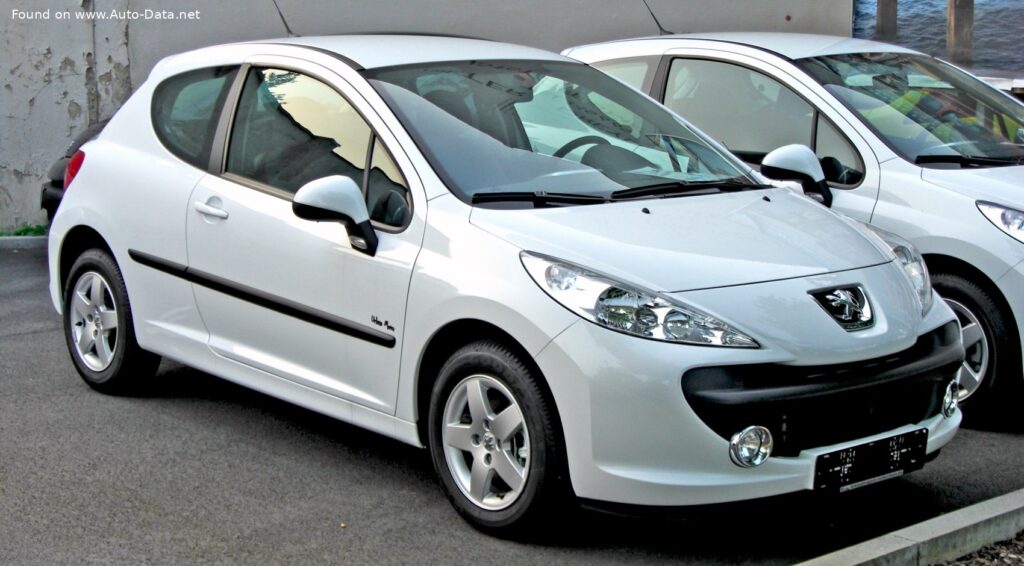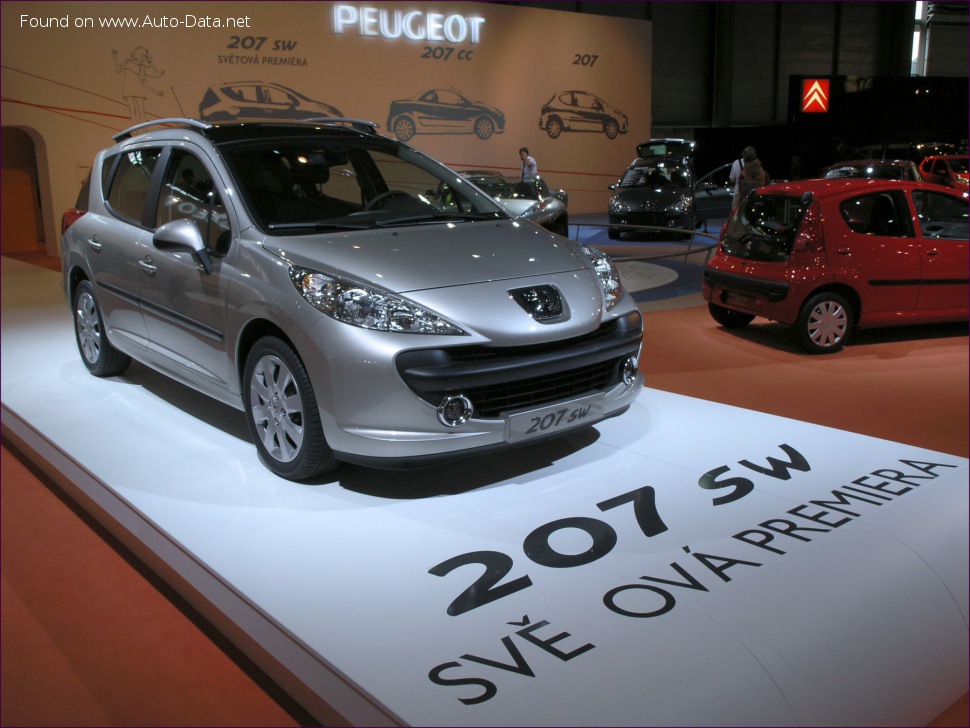
The Peugeot 207 SW 1.6 HDi (109 Hp) represents a significant offering within the European B-segment (subcompact) market, specifically tailored for practicality and fuel efficiency. Launched in 2007 as part of the broader 207 generation, the “SW” (Station Wagon) variant provided a more versatile and capacious alternative to its popular hatchback sibling. Produced until 2009, this particular model, equipped with the 1.6-liter HDi diesel engine developing 109 horsepower, was a common sight on European roads, prized for its blend of compact exterior dimensions, a surprisingly flexible interior, and economical operation. While never officially sold in the United States, the 207 SW exemplifies the design philosophy prevalent in its primary markets, where smaller, efficient diesel-powered vehicles with flexible cargo solutions are highly valued by families and businesses alike.
Powertrain & Engine Architecture
At the heart of the Peugeot 207 SW 1.6 HDi (109 Hp) lies a robust and highly efficient 1.6-liter (1560 cm³ or 95.2 cubic inches) inline four-cylinder diesel engine. This powertrain, designated by the engine code 9HZ DV6TED4, was a staple in Peugeot’s lineup during this era, known for its strong torque delivery and impressive fuel economy. Utilizing a DOHC (Double Overhead Camshaft) valvetrain and a sophisticated Diesel Commonrail fuel injection system, the engine is further enhanced by a turbocharger and intercooler, ensuring optimal performance and efficiency across a wide range of driving conditions.
The engine generates a respectable 109 horsepower at 4000 rpm, translating to a power-per-liter output of 69.9 horsepower per liter. More critically for a diesel engine, it produces a substantial 240 Nm (177.01 lb.-ft.) of torque available at a low 1750 rpm. This ample low-end torque is instrumental in providing brisk acceleration from a standstill and strong in-gear flexibility, making the 207 SW feel responsive in city traffic and capable on highways. Power is sent to the front wheels via a smooth-shifting 5-speed manual transmission, a common and reliable setup for vehicles in this segment.
Driving Characteristics
The 1.6 HDi engine in the 207 SW, while not a performance powerhouse, offered a surprisingly enjoyable driving experience for its intended purpose. The substantial low-end torque meant that the car felt lively around town, with minimal need for downshifting. On the highway, the engine provided sufficient power for overtaking maneuvers, although it did require some planning. Compared to the gasoline-powered versions of the 207, the 1.6 HDi offered significantly more torque, resulting in better acceleration in everyday driving situations. However, the gasoline engines generally provided a more responsive and rev-happy experience. The 5-speed manual transmission was well-matched to the engine’s characteristics, with gear ratios optimized for fuel efficiency and usability. The gear lever action was light and precise, contributing to a pleasant driving experience. The 207 SW 1.6 HDi wasn’t designed for spirited driving, but it excelled as a comfortable and economical daily driver.
Equipment & Trim Levels
The Peugeot 207 SW 1.6 HDi (109 Hp) typically occupied a mid-range position within the 207 SW lineup. Standard equipment generally included air conditioning, power steering, electric front windows, a CD player with radio, and ABS brakes. Safety features such as driver and passenger airbags were also standard. The interior upholstery was typically cloth, with a functional and durable design. Optional extras available for this trim included alloy wheels, rear electric windows, a trip computer, and a more advanced audio system. Higher trim levels, such as the “Sport” or “Premium” variants, added features like automatic headlights, rain-sensing wipers, and upgraded interior trim. The dashboard configuration was typical of Peugeot at the time, with a centrally mounted instrument cluster and ergonomically designed controls. The focus was on practicality and ease of use rather than luxurious appointments.
Chassis & Braking
The 207 SW featured a well-engineered chassis designed to provide a comfortable ride and predictable handling. The front suspension utilized an independent MacPherson strut setup, while the rear suspension employed a semi-independent coil spring arrangement. This configuration offered a good balance between ride comfort and handling precision. Braking power was supplied by ventilated discs at the front and solid discs at the rear, complemented by an Anti-lock Braking System (ABS) as standard. The ABS system enhanced control during emergency stops by preventing wheel lockup. The steering utilized a rack and pinion system, offering direct and responsive feedback. The 207 SW 1.6 HDi, being a diesel variant, carried slightly more weight than its gasoline counterparts, which necessitated a slightly firmer suspension setup to maintain stability and control. Stabilizer bars were fitted to both the front and rear axles to reduce body roll during cornering.
Market Reception & Comparison
Critics generally viewed the Peugeot 207 SW 1.6 HDi (109 Hp) favorably, praising its practicality, fuel efficiency, and comfortable ride. The 1.6 HDi engine was widely regarded as a strong performer, offering a good balance between power and economy. Compared to the gasoline-powered versions of the 207 SW, the 1.6 HDi offered significantly better fuel economy, making it a more attractive option for drivers who covered long distances. However, the gasoline engines were generally considered to be more refined and responsive. In terms of reliability, the 1.6 HDi engine proved to be generally robust, although some owners reported issues with the Diesel Particulate Filter (DPF) system, a common concern with modern diesel engines. The 207 SW 1.6 HDi offered a compelling alternative to rivals such as the Renault Clio Estate and Skoda Fabia Combi, providing a similar level of practicality and economy at a competitive price point.
Technical Specifications
| Category | Specification |
| Brand | Peugeot |
| Model | 207 SW |
| Generation | 207 SW |
| Type (Engine) | 1.6 HDi (109 Hp) |
| Production Start | 2007 |
| Production End | 2009 |
| Powertrain Architecture | Internal Combustion Engine |
| Body Type | Station wagon (estate) |
| Seats | 5 |
| Doors | 5 |
| Fuel Consumption (Urban) | 6.1 l/100 km (38.6 US mpg) |
| Fuel Consumption (Extra Urban) | 4.4 l/100 km (53.5 US mpg) |
| Fuel Consumption (Combined) | 5 l/100 km (47 US mpg) |
| CO2 Emissions | 131 g/km |
| Fuel Type | Diesel |
| Acceleration 0-60 mph | 9.8 sec |
| Acceleration 0-100 km/h | 10.3 sec |
| Maximum Speed | 193 km/h (119.92 mph) |
| Emission Standard | Euro 4 |
| Weight-to-Power Ratio | 11.7 kg/Hp (85.5 Hp/tonne) |
| Weight-to-Torque Ratio | 5.3 kg/Nm (188.2 Nm/tonne) |
| Power | 109 Hp @ 4000 rpm |
| Power per Liter | 69.9 Hp/l |
| Torque | 240 Nm @ 1750 rpm (177.01 lb.-ft. @ 1750 rpm) |
| Engine Layout | Front, Transverse |
| Engine Model/Code | 9HZ DV6TED4 |
| Engine Displacement | 1560 cm³ (1.6 liters / 95.2 cu. in.) |
| Number of Cylinders | 4 |
| Engine Configuration | Inline |
| Cylinder Bore | 75 mm (2.95 in.) |
| Piston Stroke | 88.3 mm (3.48 in.) |
| Compression Ratio | 17.6:1 |
| Valves per Cylinder | 4 |
| Fuel Injection System | Diesel Commonrail |
| Engine Aspiration | Turbocharger, Intercooler |
| Valvetrain | DOHC |
| Engine Oil Capacity | 3.75 l (3.96 US qt) |
| Coolant Capacity | 5.6 l (5.92 US qt) |
| Kerb Weight | 1275 kg (2810.89 lbs.) |
| Maximum Weight | 1758 kg (3875.73 lbs.) |
| Maximum Load | 483 kg (1064.83 lbs.) |
| Trunk Space (Minimum) | 337 l (11.9 cu. ft.) |
| Trunk Space (Maximum) | 1258 l (44.43 cu. ft.) |
| Fuel Tank Capacity | 50 l (13.21 US gal) |
| Permitted Trailer Load with Brakes (12%) | 1150 kg (2535.32 lbs.) |
| Permitted Trailer Load without Brakes | 600 kg (1322.77 lbs.) |
| Length | 4156 mm (163.62 in.) |
| Width | 1748 mm (68.82 in.) |
| Width with Mirrors Folded | 1818 mm (71.57 in.) |
| Width Including Mirrors | 1972 mm (77.64 in.) |
| Height | 1527 mm (60.12 in.) |
| Wheelbase | 2540 mm (100 in.) |
| Front Track | 1467 mm (57.76 in.) |
| Rear Track | 1461 mm (57.52 in.) |
| Drag Coefficient (Cd) | 0.3 |
| Minimum Turning Circle | 10.8 m (35.43 ft.) |
| Drivetrain Architecture | Front-wheel drive, Internal Combustion Engine |
| Drive Wheel | Front wheel drive |
| Number of Gears | 5 |
| Gearbox Type | Manual transmission |
| Front Suspension | Independent type McPherson |
| Rear Suspension | Semi-independent, coil spring |
| Front Brakes | Ventilated discs |
| Rear Brakes | Disc |
| Assisting Systems | ABS (Anti-lock braking system) |
| Steering Type | Steering rack and pinion |
| Tire Size | 195/55 R16 |
| Wheel Rims Size | 16 inches |
Legacy
The Peugeot 207 SW 1.6 HDi (109 Hp) has proven to be a relatively reliable vehicle in the used car market. The 1.6 HDi engine, while not without its potential issues (particularly concerning the DPF system), is generally considered to be durable and long-lasting when properly maintained. Regular servicing, including oil changes and DPF regeneration, is crucial for ensuring the engine’s longevity. Today, these vehicles can be found for relatively low prices, making them an attractive option for budget-conscious buyers seeking a practical and economical family car. However, potential buyers should be aware of the age-related wear and tear that is common with older vehicles, and a thorough inspection by a qualified mechanic is recommended before purchase. The 207 SW 1.6 HDi remains a testament to Peugeot’s ability to produce efficient and versatile vehicles that cater to the needs of everyday drivers.