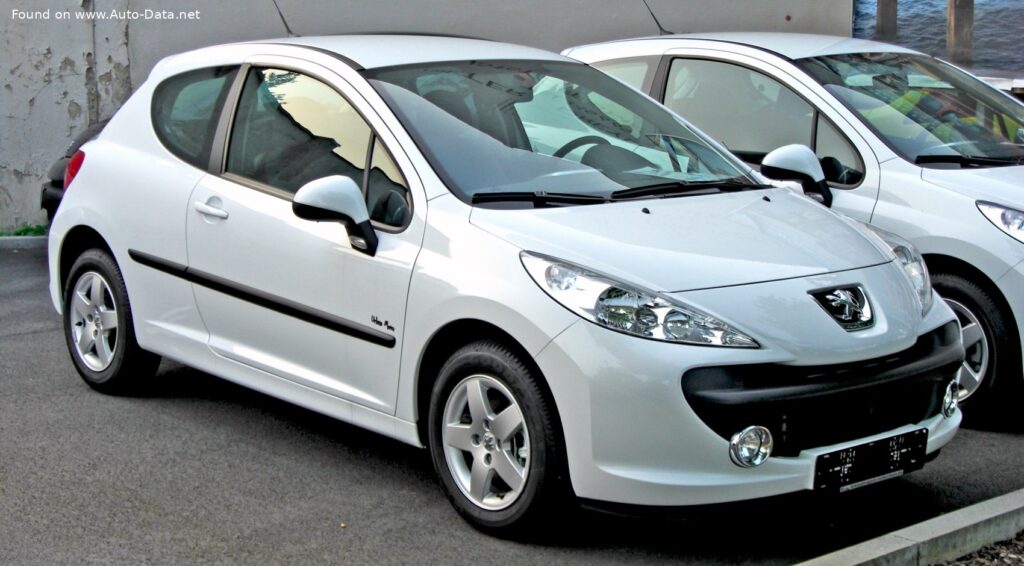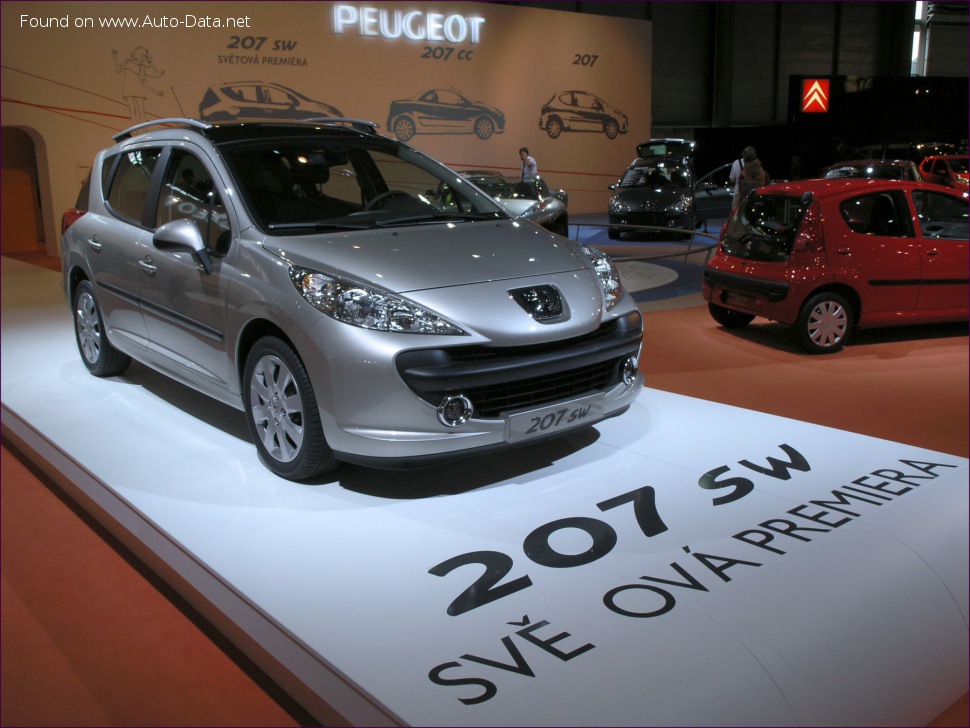
The Peugeot 207 SW 1.6 RC (174 Hp), produced between 2007 and 2009, was a unique offering in the European compact car market. As a sport-oriented variant of the 207 SW (Station Wagon), it combined the practicality of a small estate car with the spirited performance typically associated with hot hatchbacks. Though never officially sold in the United States, the 207 was a significant model in Peugeot’s European and international lineup, succeeding the popular 206. The SW variant specifically catered to buyers desiring increased cargo space and versatility without sacrificing the nimble handling and efficiency characteristic of Peugeot’s smaller vehicles. The 1.6 RC trim further enhanced this concept, providing a powerful turbocharged engine and a more engaging driving experience for those seeking a blend of utility and excitement.
Powertrain & Engine Architecture
The heart of the Peugeot 207 SW 1.6 RC’s appeal was its advanced powertrain. This model featured the 5FY EP6DTS engine, a 1.6-liter (1598 cm³ or 97.52 cu. in.) inline four-cylinder unit. This engine was part of the Prince family, a collaborative development between PSA Peugeot Citroën and BMW, known for its efficiency and performance. Equipped with a turbocharger and intercooler, along with direct fuel injection and DOHC-VVT (Double Overhead Camshaft with Variable Valve Timing), it produced an impressive 174 horsepower at 6000 rpm. This resulted in a robust power-per-liter figure of 108.9 Hp/l, showcasing its advanced design for the period.
The engine’s torque output was equally noteworthy, peaking at 240 Nm (177.01 lb.-ft.) across a broad range from 1600 to 3500 rpm. This wide torque band ensured excellent responsiveness and flexibility in various driving conditions, from city commutes to spirited highway driving. The engine was mated to a 5-speed manual transmission driving the front wheels. The fuel injection system was a sophisticated direct injection setup, optimizing combustion efficiency and contributing to both performance and fuel economy. The DOHC-VVT system continuously adjusted valve timing to maximize power and torque throughout the engine’s operating range. The engine utilized a cast iron block with an aluminum cylinder head, balancing durability with weight reduction.
Driving Characteristics
The Peugeot 207 SW 1.6 RC, with its 174 hp and 5-speed manual transmission, offered a noticeably more engaging driving experience than lower-powered 207 SW variants. The broad torque band meant strong acceleration was available from relatively low engine speeds, making it easy to navigate city traffic and execute overtaking maneuvers. While the wagon body style added weight compared to the hatchback, the engine’s power compensated for this, delivering a 0 to 60 mph time of approximately 7.2 seconds and a top speed of 136.7 mph (220 km/h).
Compared to the base 1.4-liter engine options, the 1.6 RC provided a significant performance boost. The 5-speed manual transmission was well-matched to the engine’s characteristics, offering precise shifts and allowing the driver to fully exploit the available power. The gear ratios were tuned to prioritize acceleration in the lower gears, while still providing comfortable cruising at highway speeds. The suspension, while not overtly sporty, was firm enough to provide good body control and minimize roll during cornering, contributing to a confident and enjoyable driving experience. It wasn’t a dedicated track car, but it offered a satisfying level of performance for everyday driving and occasional spirited runs.
Equipment & Trim Levels
The 1.6 RC trim of the Peugeot 207 SW was positioned as a mid-to-high range offering within the SW lineup. Standard equipment typically included alloy wheels (often 17-inch with 205/45 R17 tires), air conditioning, a CD stereo system with MP3 compatibility, electric front windows, and power steering. Safety features such as ABS (Anti-lock Braking System) and front airbags were also standard.
Interior upholstery was generally cloth, though higher-spec versions might have offered partial leather options. The dashboard featured a modern design for the era, with a focus on ergonomics and ease of use. Optional extras available for the 1.6 RC could include a panoramic sunroof, rear parking sensors, automatic headlights and rain sensors, and a more advanced audio system. The SW body style itself was a key feature, offering a significantly larger cargo area than the standard hatchback. The rear seats typically folded down in a 60/40 split, providing further flexibility for carrying larger items.
Chassis & Braking
The Peugeot 207 SW 1.6 RC utilized a McPherson strut front suspension system, providing independent wheel control and good handling characteristics. The rear suspension was a semi-independent torsion beam setup, which offered a good balance between comfort and stability. The chassis was reinforced in key areas to handle the increased power output of the 1.6 RC engine.
Braking duties were handled by ventilated disc brakes at the front and disc brakes at the rear, providing ample stopping power. ABS (Anti-lock Braking System) was standard, enhancing braking performance and stability, particularly on slippery surfaces. The steering system employed a rack and pinion setup, offering precise and responsive steering feel. Stabilizer bars were fitted to both the front and rear axles to reduce body roll during cornering. The tire size, typically 205/45 R17, contributed to good grip and handling.
Market Reception & Comparison
The Peugeot 207 SW 1.6 RC received generally positive reviews from automotive critics. It was praised for its combination of practicality, performance, and stylish design. The engine was widely regarded as a strong performer, and the chassis was commended for its engaging handling. However, some critics noted that the interior quality, while acceptable, wasn’t quite as refined as some of its competitors.
Compared to other trims in the 207 SW lineup, the 1.6 RC offered significantly improved performance and a more dynamic driving experience. Fuel economy was slightly lower than the base models, but still respectable at around 31.8 US mpg (combined). In terms of reliability, the Prince engine has proven to be generally robust, though regular maintenance is essential. It competed with other small estate cars and warm hatchbacks, such as the Skoda Fabia vRS and Renault Clio Sport Tourer, offering a compelling alternative with its unique blend of attributes.
Technical Specifications
| Category | Specification |
| Brand | Peugeot |
| Model | 207 SW |
| Type (Engine) | 1.6 RC (174 Hp) |
| Start of Production | 2007 |
| End of Production | 2009 |
| Powertrain Architecture | Internal Combustion Engine |
| Body Type | Station Wagon (Estate) |
| Seats | 5 |
| Doors | 5 |
| Fuel Consumption (Urban) | 10.2 l/100 km (23.1 US mpg) |
| Fuel Consumption (Extra Urban) | 5.9 l/100 km (39.9 US mpg) |
| Fuel Consumption (Combined) | 7.4 l/100 km (31.8 US mpg) |
| CO2 Emissions | 175 g/km |
| Fuel Type | Petrol (Gasoline) |
| Acceleration 0-60 mph | 7.2 sec |
| Maximum Speed | 220 km/h (136.7 mph) |
| Emission Standard | Euro 4 |
| Weight-to-Power Ratio | 7.8 kg/Hp (128.6 Hp/tonne) |
| Weight-to-Torque Ratio | 5.6 kg/Nm (177.4 Nm/tonne) |
| Power | 174 Hp @ 6000 rpm |
| Power per Liter | 108.9 Hp/l |
| Torque | 240 Nm (177.01 lb.-ft.) @ 1600-3500 rpm |
| Engine Layout | Front, Transverse |
| Engine Model/Code | 5FY EP6DTS |
| Engine Displacement | 1598 cm³ (97.52 cu. in.) |
| Number of Cylinders | 4 |
| Engine Configuration | Inline |
| Cylinder Bore | 77 mm (3.03 in.) |
| Piston Stroke | 85.8 mm (3.38 in.) |
| Compression Ratio | 10.5:1 |
| Number of Valves per Cylinder | 4 |
| Fuel Injection System | Direct injection |
| Engine Aspiration | Turbocharger, Intercooler |
| Valvetrain | DOHC-VVT |
| Engine Oil Capacity | 4.25 l (4.49 US qt) |
| Coolant Capacity | 5.3 l (5.6 US qt) |
| Kerb Weight | 1353 kg (2982.85 lbs.) |
| Trunk (Boot) Space – Minimum | 337 l (11.9 cu. ft.) |
| Trunk (Boot) Space – Maximum | 1258 l (44.43 cu. ft.) |
| Fuel Tank Capacity | 50 l (13.21 US gal) |
| Length | 4156 mm (163.62 in.) |
| Width | 1748 mm (68.82 in.) |
| Height | 1527 mm (60.12 in.) |
| Wheelbase | 2540 mm (100 in.) |
| Front Suspension | Independent type McPherson |
| Rear Suspension | Semi-independent, coil spring |
| Front Brakes | Ventilated discs |
| Rear Brakes | Disc |
| Steering Type | Steering rack and pinion |
| Tires Size | 205/45 R17 |
Legacy
The Peugeot 207 SW 1.6 RC (174 Hp) has become a sought-after model among enthusiasts in Europe. Its combination of practicality, performance, and the robust Prince engine has ensured its continued appeal in the used car market. The Prince engine, shared with various BMW Mini models, has a generally good reputation for reliability, provided it receives regular maintenance.
Today, well-maintained examples of the 207 SW 1.6 RC are increasingly valued as modern classics. They represent a unique offering in the compact estate car segment, providing a compelling alternative to more mainstream options. The car’s relatively short production run and its focus on driving enjoyment have contributed to its growing collector appeal. While not a high-volume seller when new, the 207 SW 1.6 RC has secured a place in Peugeot’s history as a stylish, practical, and surprisingly capable performer.