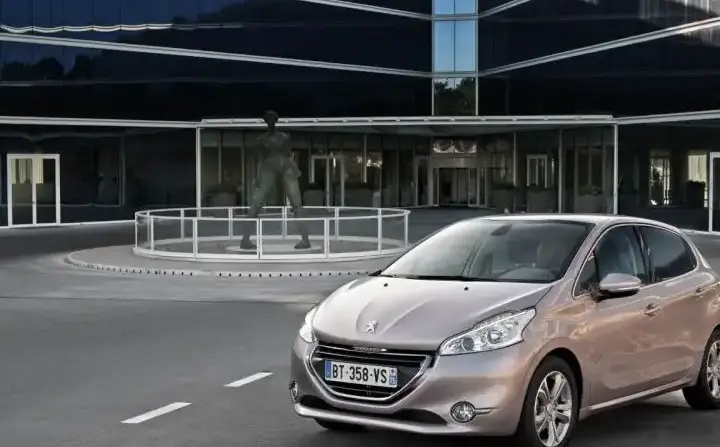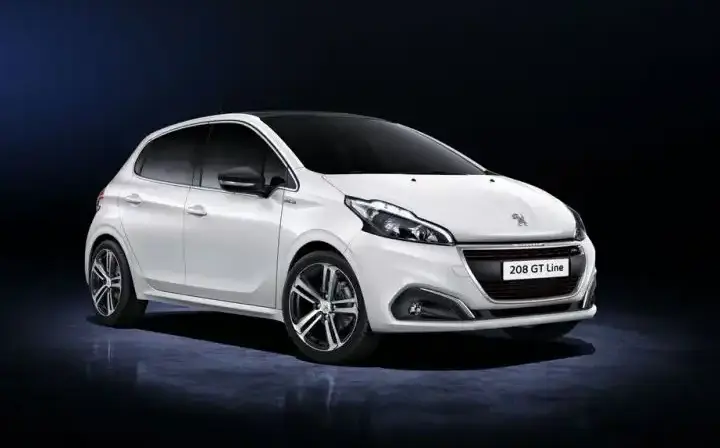
The Peugeot 208 I (Phase II), specifically the 1.0 PureTech 68 horsepower variant, was a subcompact hatchback produced from 2015 to 2016. This model represented a mid-life refresh of the first-generation 208 (T1 series), aiming to bolster its appeal in the competitive European small car segment. Positioned as the entry-level engine option, the 1.0 PureTech 68 hp served as an affordable and fuel-efficient choice for buyers prioritizing economy over outright performance. It was a key part of Peugeot’s strategy to offer a diverse range of powertrains within the 208 lineup, catering to a broad spectrum of customer needs.
Technical Specifications
| Brand | Peugeot |
| Model | 208 |
| Generation | 208 I (Phase II, 2015) |
| Type (Engine) | 1.0 PureTech (68 Hp) |
| Start of production | 2015 |
| End of production | 2016 |
| Powertrain Architecture | Internal Combustion engine |
| Body type | Hatchback |
| Seats | 5 |
| Doors | 3-5 |
| Fuel consumption (urban) | 5.2 l/100 km (45.2 US mpg, 54.3 UK mpg, 19.2 km/l) |
| Fuel consumption (extra urban) | 3.9 l/100 km (60.3 US mpg, 72.4 UK mpg, 25.6 km/l) |
| Fuel consumption (combined) | 4.4 l/100 km (53.5 US mpg, 64.2 UK mpg, 22.7 km/l) |
| CO2 emissions | 102 g/km |
| Fuel Type | Petrol (Gasoline) |
| Acceleration 0 – 100 km/h | 14 sec |
| Acceleration 0 – 62 mph | 14 sec |
| Acceleration 0 – 60 mph | 13.3 sec |
| Maximum speed | 165 km/h (102.53 mph) |
| Emission standard | Euro 6 |
| Weight-to-power ratio | 14.1 kg/Hp, 70.8 Hp/tonne |
| Weight-to-torque ratio | 10.1 kg/Nm, 99 Nm/tonne |
| Power | 68 Hp @ 6000 rpm |
| Power per litre | 68.1 Hp/l |
| Torque | 95 Nm @ 3000 rpm (70.07 lb.-ft. @ 3000 rpm) |
| Engine layout | Front, Transverse |
| Engine Model/Code | ZMZ EB0 |
| Engine displacement | 999 cm3 (60.96 cu. in.) |
| Number of cylinders | 3 |
| Engine configuration | Inline |
| Number of valves per cylinder | 4 |
| Fuel injection system | Multi-port manifold injection |
| Engine aspiration | Naturally aspirated engine |
| Engine oil capacity | 3.25 l (3.43 US qt, 2.86 UK qt) |
| Coolant capacity | 6 l (6.34 US qt, 5.28 UK qt) |
| Kerb Weight | 960 kg (2116.44 lbs) |
| Max. weight | 1520 kg (3351.03 lbs) |
| Max load | 560 kg (1234.59 lbs) |
| Trunk (boot) space – minimum | 285 l (10.06 cu. ft.) |
| Trunk (boot) space – maximum | 1076 l (38 cu. ft.) |
| Fuel tank capacity | 50 l (13.21 US gal, 11 UK gal) |
| Permitted trailer load with brakes (12%) | 760 kg (1675.51 lbs) |
| Length | 3973 mm (156.42 in) |
| Width | 1829 mm (72.01 in) |
| Width including mirrors | 2004 mm (78.9 in) |
| Height | 1460 mm (57.48 in) |
| Wheelbase | 2538 mm (99.92 in) |
| Front track | 1475-1470 mm (58.07 – 57.87 in) |
| Rear (Back) track | 1471-1467 mm (57.91 – 57.76 in) |
| Ride height (ground clearance) | 123-129 mm (4.84 – 5.08 in) |
| Minimum turning circle | 10.4 m (34.12 ft) |
| Drivetrain Architecture | ICE to Front Wheels |
| Drive wheel | Front wheel drive |
| Number of gears and type of gearbox | 5 gears, manual transmission |
| Front suspension | Independent type McPherson |
| Rear suspension | Elastic beam |
| Front brakes | Ventilated discs |
| Rear brakes | Drum |
| Assisting systems | ABS (Anti-lock braking system) |
| Steering type | Steering rack and pinion |
Powertrain & Engine Architecture
The heart of this 208 variant is the ZMZ EB0, a 999cc three-cylinder petrol engine belonging to Peugeot’s PureTech family. This engine utilizes a naturally aspirated configuration and multi-point fuel injection. The three-cylinder layout inherently offers reduced internal friction compared to four-cylinder engines, contributing to improved fuel efficiency. The engine produces 68 horsepower at 6000 rpm and 95 Nm (70 lb-ft) of torque at 3000 rpm. The engine’s relatively low output is managed by a five-speed manual transmission, the only gearbox option available with this engine. The transmission was chosen for its simplicity and cost-effectiveness, aligning with the entry-level positioning of the car.
Driving Characteristics
The 1.0 PureTech 68 hp 208 is not a performance-oriented vehicle. Acceleration from 0 to 100 km/h (0-62 mph) takes approximately 14 seconds. The engine feels strained when pushed hard, particularly during overtaking maneuvers or when climbing hills. The five-speed gearbox is adequately spaced, but requires frequent shifting to maintain momentum. However, around town, the engine is responsive enough for everyday driving. The light weight of the vehicle (around 960 kg) helps to mitigate the lack of power. The steering is light and precise, making it easy to maneuver in urban environments. Compared to the more powerful 1.2 PureTech variants or diesel options, this version prioritizes fuel economy and ease of driving over spirited performance.
Equipment & Trim Levels
The 1.0 PureTech 68 hp model typically represented the base trim level in the 208 range. Standard equipment generally included power steering, central locking, electric front windows, and an audio system with USB connectivity. Safety features such as ABS, ESP (Electronic Stability Program), and multiple airbags were also standard. Interior upholstery was typically cloth, and the dashboard featured a simple, functional design. Optional extras included air conditioning, alloy wheels, and a touchscreen infotainment system. The interior plastics were of a reasonable quality for the price point, but lacked the premium feel of higher-spec models.
Chassis & Braking
The 208 I utilized a McPherson strut front suspension and an elastic beam rear suspension. This setup provided a comfortable ride quality, although it wasn’t particularly sporty. The front brakes were ventilated discs, while the rear brakes were drums. This configuration was typical for vehicles in this weight class and price range. The steering was a rack and pinion system, offering precise control. The suspension was tuned for comfort rather than handling prowess, prioritizing a smooth ride over sharp cornering ability.
Market Reception & Comparison
The 1.0 PureTech 68 hp 208 was generally well-received by critics as an affordable and economical city car. Its low running costs and fuel efficiency were major selling points. However, its lack of power was often criticized, particularly by those accustomed to more powerful engines. Compared to the 1.2 PureTech variants, the 1.0 offered significantly less performance but a lower purchase price. The diesel options provided better fuel economy and torque, but at a higher initial cost. The 1.0 PureTech appealed to buyers who prioritized affordability and fuel efficiency over performance and refinement.
Legacy
The 1.0 PureTech engine proved to be a reliable unit, although some early examples experienced issues with the timing chain. Regular maintenance, including oil changes and timing chain inspections, is crucial for long-term reliability. In the used car market, the 1.0 PureTech 208 remains an affordable option for those seeking a small, economical hatchback. Its simplicity and low running costs make it an attractive choice for first-time car buyers or those on a tight budget. While not the most exciting car to drive, it offers a practical and reliable solution for everyday transportation.