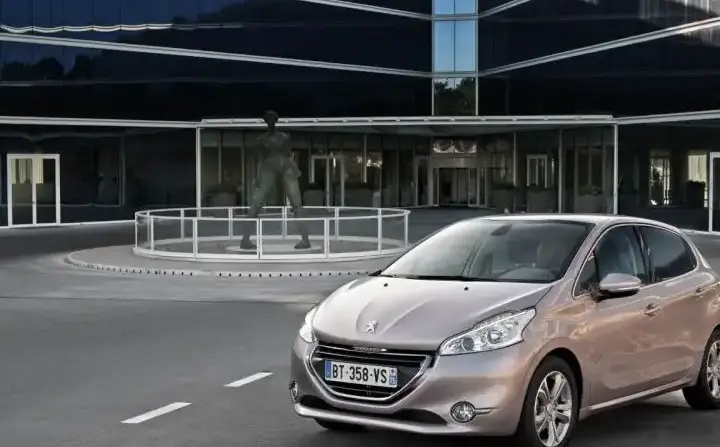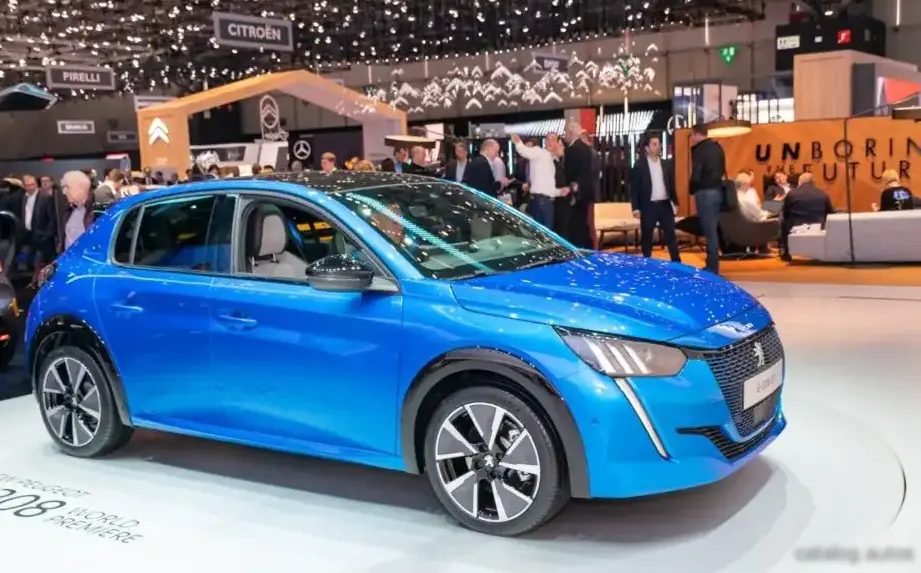
The Peugeot e-208 50 kWh, a fully electric variant of the second-generation 208 (Phase I, produced from 2019 to 2023), represents Peugeot’s initial foray into a mainstream, all-electric hatchback. Positioned as a premium subcompact offering, the e-208 aimed to provide a compelling alternative to traditional gasoline-powered vehicles, particularly in European markets increasingly focused on emissions regulations and sustainable transportation. This variant, boasting a 136 horsepower electric motor, became a significant model for Peugeot, showcasing their commitment to electrification and modern automotive design. It was a key component of Peugeot’s strategy to offer an electric version of each model in their lineup.
Technical Specifications
| Brand | Peugeot |
| Model | 208 |
| Generation | 208 II (Phase I, 2019) |
| Type (Engine) | e-208 50 kWh (136 Hp) |
| Start of production | 2019 |
| End of production | 2023 |
| Powertrain Architecture | BEV (Electric Vehicle) |
| Body type | Hatchback |
| Seats | 5 |
| Doors | 5 |
| Fuel Type | Electricity |
| Acceleration 0 – 100 km/h | 8.1 sec |
| Acceleration 0 – 62 mph | 8.1 sec |
| Acceleration 0 – 60 mph | 7.7 sec |
| Maximum speed | 150 km/h (93.21 mph) |
| Weight-to-power ratio | 10.7 kg/Hp, 93.5 Hp/tonne |
| Weight-to-torque ratio | 5.6 kg/Nm, 178.7 Nm/tonne |
| Gross battery capacity | 50 kWh |
| Net (usable) battery capacity | 46 kWh |
| Battery technology | Lithium-ion (Li-Ion) |
| Battery location | Below the floor |
| All-electric range (WLTP) | 350-362 km (217.48 – 224.94 mi) |
| All-electric range | 340 km (211.27 mi) |
| Average Energy consumption (WLTP) | 15.4-16 kWh/100 km (24.78 – 25.75 kWh/100 mi) |
| MPGe | 136 – 131 |
| km/kWh | 6.5 – 6.3 |
| mi/kWh | 4 – 3.9 |
| Electric motor power | 136 Hp @ 5500 rpm |
| Electric motor Torque | 260 Nm (191.77 lb.-ft.) |
| Electric motor model/code | ZK01 |
| Electric motor location | Front axle, Transverse |
| Electric motor type | Synchronous |
| System power | 136 Hp |
| System torque | 260 Nm (191.77 lb.-ft.) |
| Kerb Weight | 1455 kg (3207.73 lbs.) |
| Max. weight | 1910 kg (4210.83 lbs.) |
| Max load | 455 kg (1003.1 lbs.) |
| Trunk (boot) space – minimum | 265 l (9.36 cu. ft.) |
| Trunk (boot) space – maximum | 1106 l (39.06 cu. ft.) |
| Length | 4055 mm (159.65 in.) |
| Width | 1745 mm (68.7 in.) |
| Width including mirrors | 1960 mm (77.17 in.) |
| Height | 1430 mm (56.3 in.) |
| Wheelbase | 2540 mm (100 in.) |
| Front track | 1500 mm (59.06 in.) |
| Rear (Back) track | 1500 mm (59.06 in.) |
| Front overhang | 825 mm (32.48 in.) |
| Rear overhang | 690 mm (27.17 in.) |
| Minimum turning circle | 10.4 m (34.12 ft.) |
| Drivetrain Architecture | One electric motor drives the front wheels. |
| Drive wheel | Front wheel drive |
| Number of gears | 1 |
| Type of gearbox | automatic transmission |
| Front suspension | Independent type McPherson |
| Rear suspension | Elastic beam |
| Front brakes | Ventilated discs, 283×26 mm |
| Rear brakes | Disc, 249×10 mm |
| Assisting systems | ABS (Anti-lock braking system) |
| Steering type | Steering rack and pinion |
| Power steering | Electric Steering |
| Tires size | 195/55 R16; 205/45 R17 |
| Wheel rims size | 6.5J x 16; 7J x 17 |
Powertrain & Engine Architecture
The e-208 utilizes a single electric motor, designated ZK01, producing 136 horsepower at 5500 rpm and 260 Nm (191.77 lb.-ft.) of torque. This synchronous motor is mounted transversely at the front axle, driving the front wheels. The powertrain is powered by a 50 kWh lithium-ion battery pack located under the vehicle floor, contributing to a low center of gravity and improved handling. The battery provides a usable capacity of 46 kWh. The e-208 employs a single-speed automatic transmission, typical for electric vehicles, delivering seamless acceleration. The charging system supports both AC and DC fast charging, allowing for convenient replenishment of the battery at home or public charging stations.
Driving Characteristics
The e-208 50 kWh offers brisk acceleration, achieving 0-60 mph in approximately 7.7 seconds. The instant torque delivery characteristic of electric motors provides a responsive driving experience, particularly in urban environments. While not as overtly sporty as some gasoline-powered rivals, the e-208 offers a refined and comfortable ride. The single-speed transmission simplifies operation, and the regenerative braking system allows for energy recovery, extending the vehicle’s range. Compared to other 208 variants, such as the 1.2 PureTech gasoline engine models, the e-208 provides a quieter and smoother driving experience, albeit with a higher initial purchase price.
Equipment & Trim Levels
The e-208 was typically well-equipped, even in base trim levels. Standard features often included a touchscreen infotainment system with Apple CarPlay and Android Auto compatibility, digital instrument cluster, automatic climate control, and a suite of safety features such as lane departure warning and automatic emergency braking. Higher trim levels added features like a larger touchscreen, premium upholstery, parking assist, and adaptive cruise control. Interior upholstery options ranged from cloth to leather, and various dashboard trim finishes were available. Optional extras included a panoramic sunroof and a premium audio system.
Chassis & Braking
The e-208 utilizes an independent McPherson strut suspension at the front and an elastic beam suspension at the rear. This setup provides a good balance between ride comfort and handling. The vehicle is equipped with ventilated discs at the front and solid discs at the rear. The braking system incorporates ABS (Anti-lock Braking System) and electronic brake-force distribution. The steering is electric power-assisted, providing light and precise control. Tire sizes varied depending on the trim level, ranging from 195/55 R16 to 205/45 R17.
Market Reception & Comparison
The Peugeot e-208 was generally well-received by automotive critics, praised for its stylish design, comfortable ride, and impressive electric range. It was often compared to rivals such as the Renault Zoe and the Nissan Leaf. The e-208’s fuel economy, measured in kWh/100km, was competitive within its segment. Reliability reports have been generally positive, with few major issues reported. However, some critics noted the relatively high price compared to gasoline-powered alternatives.
Legacy
The Peugeot e-208 played a crucial role in establishing Peugeot as a major player in the electric vehicle market. Its success demonstrated the viability of electric hatchbacks and paved the way for the introduction of other electric models in Peugeot’s lineup. On the used car market, the e-208 remains a popular choice, offering a compelling combination of style, efficiency, and practicality. The longevity of the battery pack is a key consideration for potential buyers, but early reports suggest that the battery retains a significant portion of its capacity even after several years of use. The e-208 continues to be a relevant and desirable option for those seeking an affordable and environmentally friendly transportation solution.