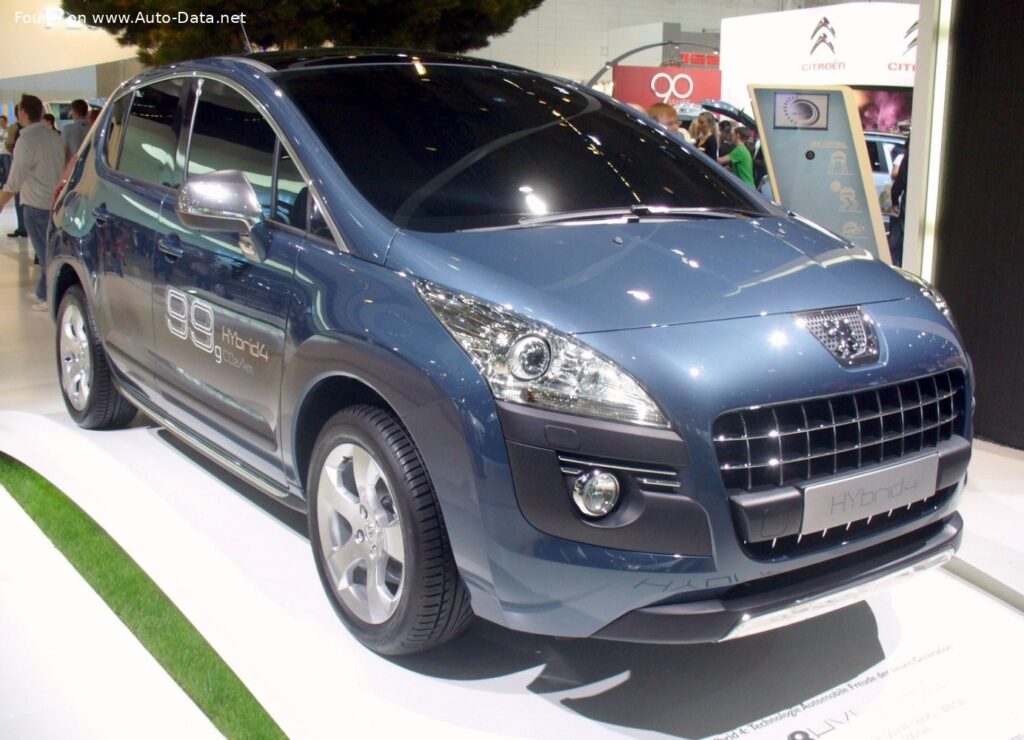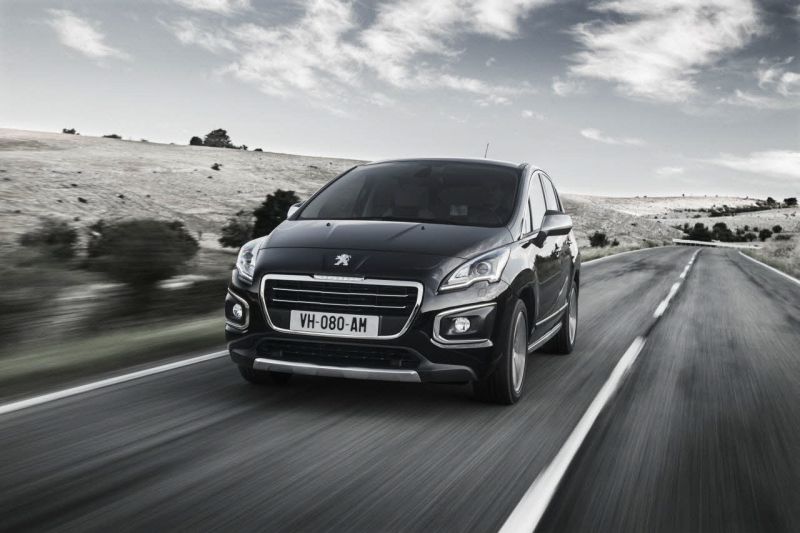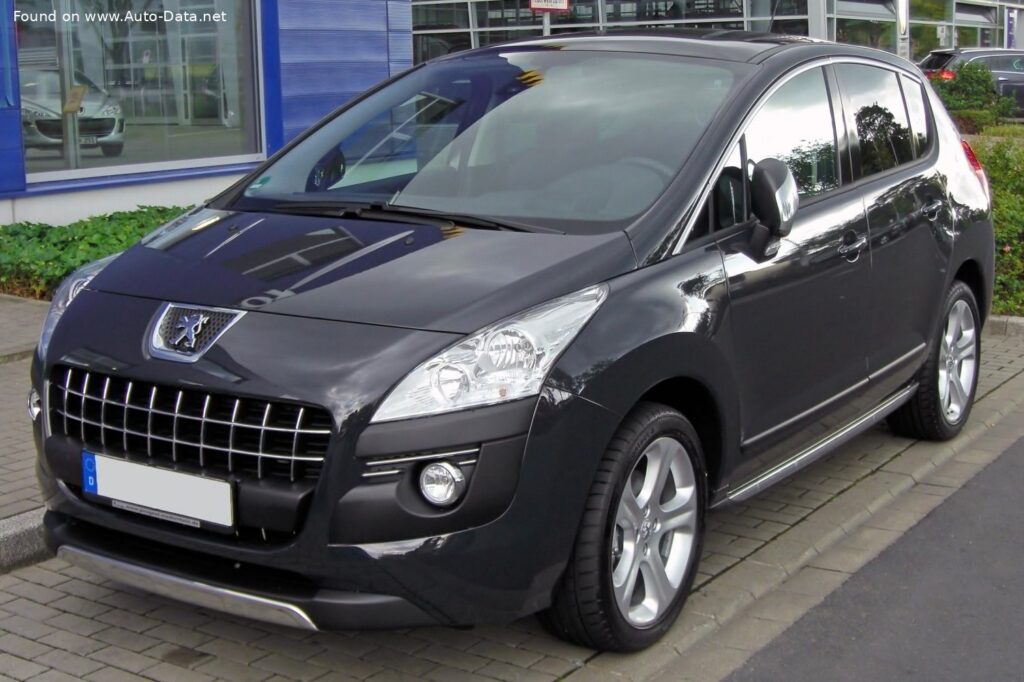
The Peugeot 3008 I (Phase I, 2009) represents a pivotal moment for the French automaker, marking its entry into the rapidly expanding compact crossover SUV segment. Unveiled in 2008 and launched in 2009, this first-generation 3008 aimed to blend the practicality of a Multi-Purpose Vehicle (MPV), the aesthetic appeal of an SUV, and the driving experience of a traditional sedan. While Peugeot has limited presence in the United States market, the 3008 quickly gained popularity in Europe, offering a compelling combination of versatility, comfort, and fuel efficiency. This article will focus specifically on the 1.6 HDi (112 hp) model with the automatic transmission, a cornerstone of the 3008 lineup, designed for economical diesel power and everyday usability.
The 1.6 HDi Automatic: Positioning in the 3008 Range
The 1.6 HDi automatic variant occupied a mid-range position within the first-generation Peugeot 3008 lineup. It served as a more accessible entry point compared to the higher-powered gasoline engines (like the 1.6 THP) and the more expensive diesel options. It was positioned above the base-level petrol engines in terms of price and features, but below the more powerful 2.0 HDi models. This trim level targeted families and commuters prioritizing fuel economy and comfortable driving over outright performance. The automatic transmission was a key selling point for buyers seeking convenience, particularly in urban environments.
Powertrain & Engine Architecture
The heart of the Peugeot 3008 I (Phase I, 2009) 1.6 HDi is a 1.6-liter (1560 cc or 95.2 cubic inches) inline four-cylinder diesel engine, designated internally as the 9HR DV6C. This engine was engineered to deliver a balance of performance and exceptional fuel economy, crucial in the European market. It features a Dual Overhead Camshaft (DOHC) valvetrain with four valves per cylinder, and a sophisticated Diesel Commonrail fuel injection system. The engine produces 112 horsepower (hp) at 1750 rpm and 285 Nm (210.21 lb-ft) of torque at 3600 rpm.
A turbocharger with an intercooler optimizes air intake for improved combustion and efficiency. The engine boasts a compression ratio of 18:1, characteristic of diesel engines. Power is delivered through a six-speed automatic transmission, driving the front wheels. This transmission, while offering convenience, wasn’t known for particularly rapid shifts, prioritizing smooth operation and fuel efficiency. The 6-speed automatic was a conventional torque converter type, offering a comfortable but not overly sporty driving experience.
Fuel Injection and Valvetrain Details
The Diesel Commonrail fuel injection system utilized piezoelectric injectors, allowing for precise fuel delivery and optimized combustion. This system contributed significantly to the engine’s fuel efficiency and reduced emissions. The DOHC valvetrain, with its four valves per cylinder, enhanced volumetric efficiency and improved engine breathing, contributing to both power and torque output. The engine also incorporated an Exhaust Gas Recirculation (EGR) system to further reduce nitrogen oxide (NOx) emissions.
Driving Characteristics
The 3008 1.6 HDi automatic offered a comfortable and refined driving experience, prioritizing ease of use over sporty performance. Acceleration from 0 to 60 mph took approximately 11.6 seconds, with a top speed of 113.71 mph (183 km/h). While not particularly quick, the engine’s strong low-end torque made it feel responsive in everyday driving situations, such as overtaking and merging onto highways. The automatic transmission, while smooth, could sometimes feel hesitant during downshifts, and didn’t offer manual shift control.
Compared to the manual transmission versions of the 1.6 HDi, the automatic typically resulted in a slight decrease in fuel economy due to the inherent losses within the torque converter. The higher-output gasoline engines (1.6 THP) offered significantly more performance but at the expense of fuel efficiency. The 2.0 HDi models provided more torque and quicker acceleration, but were positioned at a higher price point and targeted a different buyer.
Equipment & Trim Levels
The 1.6 HDi automatic trim level typically included standard features such as air conditioning, power windows, power mirrors, a CD/MP3 stereo system, and ABS (Anti-lock Braking System). Safety features included driver and passenger airbags, and a particulate filter for reduced emissions. Interior upholstery was typically cloth, with a functional and durable design.
Optional extras included alloy wheels, a panoramic sunroof, rear parking sensors, and a navigation system. Higher trim levels, such as the ‘Sport’ or ‘Allure’ variants, added features like automatic headlights and rain-sensing wipers, upgraded interior trim, and more sophisticated audio systems. The dashboard layout was characterized by a high-mounted center console and a distinctive instrument cluster.
Chassis & Braking
The Peugeot 3008 I (Phase I) utilized an independent McPherson strut suspension setup at the front, providing a comfortable and controlled ride. The rear suspension employed a semi-independent coil spring arrangement. The 1.6 HDi models typically featured 16-inch wheels with 215/60 R16 tires.
Braking duties were handled by ventilated discs at the front and discs at the rear. ABS (Anti-lock Braking System) was standard, enhancing braking performance and stability. The steering system was a power-assisted rack and pinion setup, providing precise and responsive steering feel. Stabilizer bars were fitted to both the front and rear axles to reduce body roll during cornering.
Market Reception & Comparison
Critics generally praised the Peugeot 3008 I (Phase I) for its distinctive styling, comfortable ride, and fuel-efficient diesel engines. The 1.6 HDi automatic was particularly well-regarded for its practicality and ease of use. However, some reviewers noted the automatic transmission’s lack of responsiveness and the engine’s modest performance.
Compared to rivals like the Nissan Qashqai and Renault Kadjar, the 3008 offered a more refined driving experience and a more distinctive interior design. The Volkswagen Tiguan was often seen as a more premium alternative, while the Ford Kuga offered a more dynamic driving experience. In terms of fuel economy, the 1.6 HDi automatic consistently outperformed comparable gasoline-powered rivals. Reliability was generally good, although some owners reported minor issues with the diesel particulate filter (DPF).
Technical Specifications: Peugeot 3008 I (Phase I, 2009) 1.6 HDi (112 Hp)
| Category | Specification |
| Brand | Peugeot |
| Model | 3008 |
| Generation | 3008 I (Phase I, 2009) |
| Type (Engine) | 1.6 HDi (112 Hp) |
| Start of Production | 2009 |
| End of Production | 2013 |
| Powertrain Architecture | Internal Combustion Engine |
| Body Type | SUV |
| Seats | 5 |
| Doors | 5 |
| Fuel Consumption (Urban) | 5.8 l/100 km |
| Fuel Consumption (Extra Urban) | 4.4 l/100 km |
| Fuel Consumption (Combined) | 4.9 l/100 km |
| Fuel Type | Diesel |
| Acceleration 0 – 60 mph | 11.6 sec |
| Acceleration 0 – 100 km/h | 12.2 sec |
| Maximum Speed | 183 km/h |
| Emission Standard | Euro 5 |
| Weight-to-Power Ratio | 12.7 kg/Hp |
| Weight-to-Torque Ratio | 5 kg/Nm |
| Power | 112 Hp @ 1750 rpm |
| Power per Liter | 71.8 Hp/l |
| Torque | 285 Nm @ 3600 rpm |
| Engine Layout | Front, Transverse |
| Engine Model/Code | 9HR DV6C |
| Engine Displacement | 1560 cm³ / 1.6 l / 95.2 cu. in. |
| Number of Cylinders | 4 |
| Engine Configuration | Inline |
| Cylinder Bore | 75 mm / 2.95 in. |
| Piston Stroke | 88.3 mm / 3.48 in. |
| Compression Ratio | 18:1 |
| Number of Valves per Cylinder | 4 |
| Fuel Injection System | Diesel Commonrail |
| Engine Aspiration | Turbocharger, Intercooler |
| Valvetrain | DOHC |
| Engine Oil Capacity | 3.75 l / 3.96 US qt |
| Kerb Weight | 1422 kg / 3134.97 lbs. |
| Max. Weight | 2030 kg / 4475.38 lbs. |
| Trunk (Boot) Space – Minimum | 512 l / 18.08 cu. ft. |
| Trunk (Boot) Space – Maximum | 1604 l / 56.64 cu. ft. |
| Fuel Tank Capacity | 60 l / 15.85 US gal |
| Length | 4365 mm / 171.85 in. |
| Width | 1837 mm / 72.32 in. |
| Height | 1639 mm / 64.53 in. |
Legacy
The Peugeot 3008 I (Phase I), and particularly the 1.6 HDi automatic variant, has proven to be a reliable and durable vehicle in the used car market. The 9HR DV6C engine, while not without its potential issues (such as DPF clogging), is generally considered robust when properly maintained. Today, these vehicles are often available at affordable prices, making them an attractive option for budget-conscious buyers seeking a practical and fuel-efficient crossover. The 3008’s distinctive styling and comfortable interior continue to appeal to many, solidifying its place as a significant vehicle in Peugeot’s history and a pioneer in the compact European crossover segment.