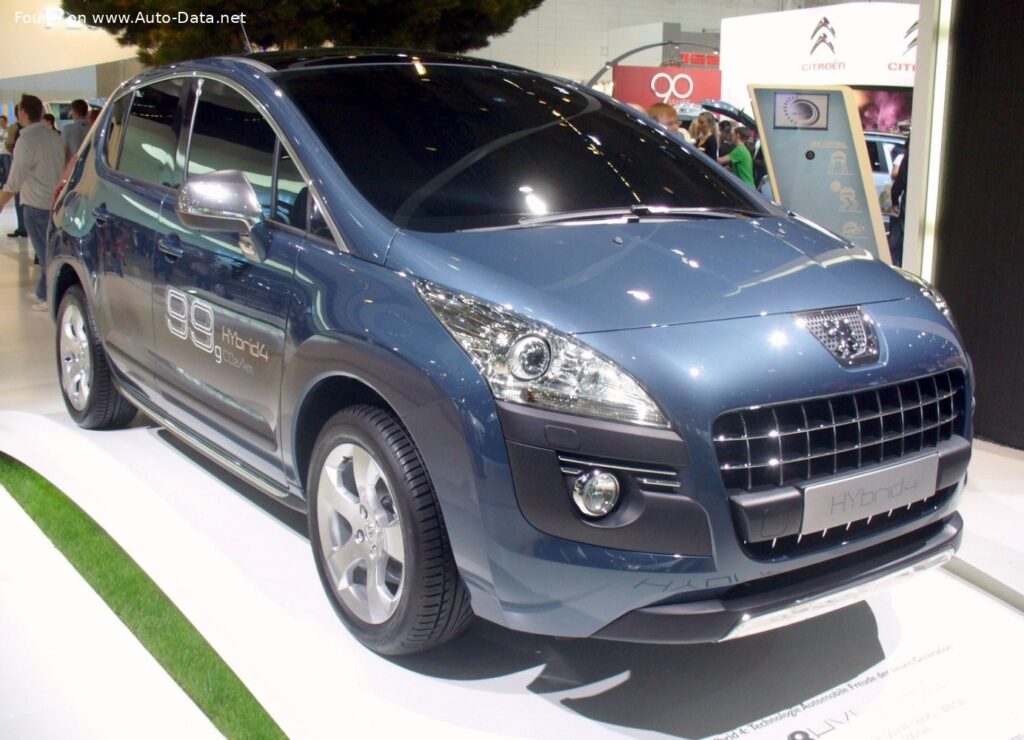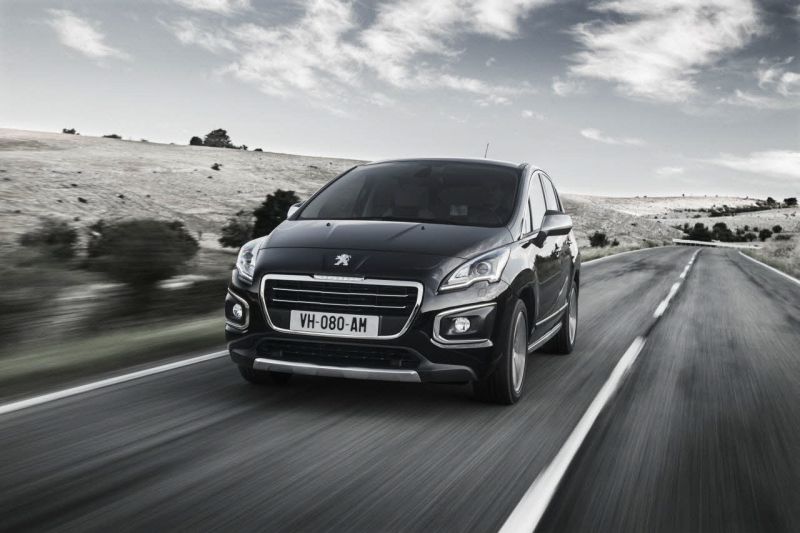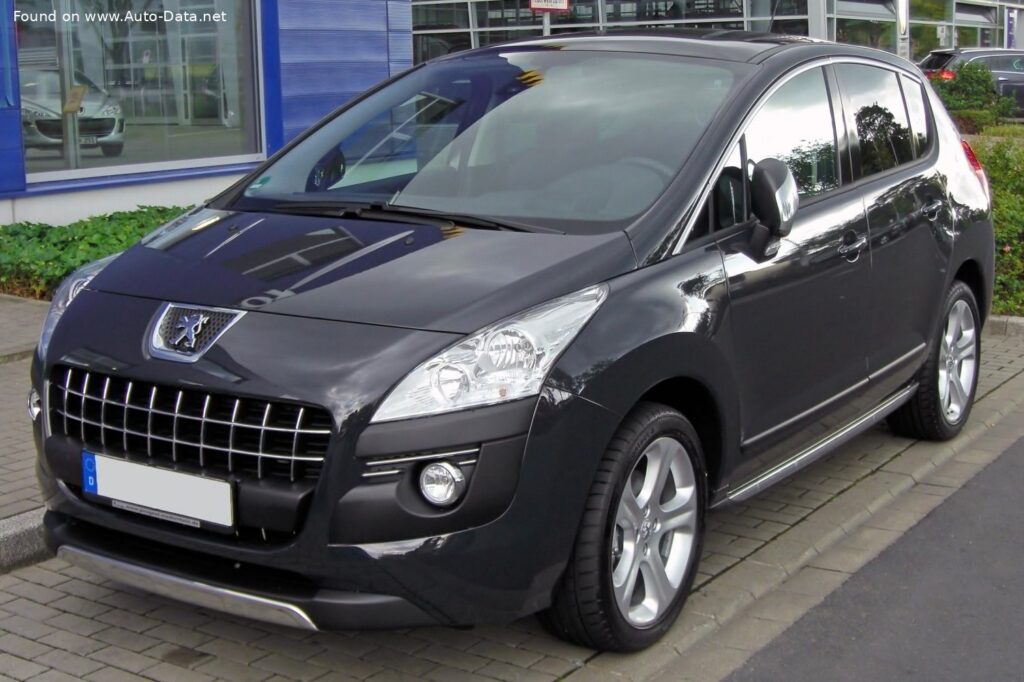
The Peugeot 3008 I, specifically the Phase I model launched in 2009, represented a significant step for Peugeot into the growing compact crossover segment. This variant, equipped with the 1.6 HDi (112 Hp) FAP engine, was central to Peugeot’s strategy of merging the practicality of a multi-purpose vehicle (MPV) with the perceived robustness and higher driving position of a sport utility vehicle (SUV). Primarily aimed at European markets where diesel engines and compact vehicle dimensions are favored, the 3008 offered a compelling combination of practicality, fuel efficiency, and distinctive design. It was engineered to appeal to families and individuals needing a versatile vehicle for both daily commutes and weekend trips, establishing itself as a key competitor in its class from its introduction in 2009 through the end of the Phase I production run in 2013.
Powertrain & Engine Architecture
The Peugeot 3008 I 1.6 HDi (112 Hp) FAP was powered by a 1.6-liter (1560 cm3 or 95.2 cu. in.) inline four-cylinder HDi diesel engine. This engine, designated with the code 9HR DV6C, was known for its balance of fuel economy and usable torque. It featured a common rail direct fuel injection system and a turbocharger with an intercooler, optimizing power delivery throughout the engine’s operating range. The engine produced 112 horsepower at 3600 rpm, which, for a vehicle of this size and purpose, provided adequate performance. More importantly, it generated 199.14 lb.-ft. (270 Nm) of torque available from a low 1750 rpm, enabling strong acceleration from a standstill and effortless overtaking, particularly in typical European driving conditions.
The powertrain layout was front-transverse, driving the front wheels through a six-speed manual transmission. This configuration contributed to the vehicle’s commendable fuel economy. The engine was equipped with a FAP (Filtre à Particules), or Diesel Particulate Filter, to meet Euro 5 emission standards, a crucial requirement for environmental regulations in Europe at the time. The DV6C engine family is known for its robust construction, though early versions of this engine (prior to the DV6C) were sometimes prone to issues with the exhaust gas recirculation (EGR) valve and turbocharger. The DV6C variant, as found in the 3008, generally exhibited improved reliability.
Fuel Injection and Valvetrain
The 9HR DV6C engine utilized a Bosch common rail fuel injection system, operating at very high pressures to ensure efficient combustion and reduced emissions. The fuel injection system was electronically controlled, optimizing fuel delivery based on engine load, speed, and other parameters. The engine featured a single overhead camshaft (SOHC) valvetrain with two valves per cylinder (two intake and two exhaust). This configuration was a cost-effective and reliable design, contributing to the engine’s overall durability. The valvetrain was hydraulically adjusted, minimizing the need for manual adjustments.
Driving Characteristics
The 3008 I 1.6 HDi (112 Hp) with the six-speed manual transmission offered a comfortable and efficient driving experience. While not a performance-oriented vehicle, the engine’s strong low-end torque made it feel responsive in everyday driving situations. The six-speed gearbox was well-matched to the engine’s characteristics, providing adequate spacing between gears for both urban and highway driving. Compared to higher-output versions of the 3008, such as those equipped with the 2.0 HDi engine, the 1.6 HDi felt less powerful, particularly when fully loaded or climbing steep hills. However, the 1.6 HDi offered significantly better fuel economy. The gear ratios were optimized for fuel efficiency, with a relatively tall sixth gear for comfortable cruising on the highway. Acceleration from 0 to 60 mph took approximately 12 seconds, and the top speed was around 113.71 mph (183 km/h).
Equipment & Trim Levels
The 3008 I 1.6 HDi (112 Hp) FAP typically served as an entry-level or mid-range trim within the 3008 lineup. Standard equipment generally included air conditioning, power windows, power mirrors, a CD stereo system with MP3 compatibility, and ABS brakes. Safety features such as front and side airbags were also standard. Interior upholstery was typically cloth, with a dark color scheme. Higher trim levels offered options such as alloy wheels, a panoramic sunroof, a navigation system, leather upholstery, and automatic climate control. The dashboard layout was modern and ergonomically designed, with intuitive controls. The 3008 I also featured a unique “Head-Up Display” which projected key information onto a retractable screen in front of the driver, a feature relatively uncommon in this class at the time.
Chassis & Braking
The 3008 I utilized an independent McPherson strut suspension setup with coil springs and an anti-roll bar at the front, providing a comfortable ride and good handling. The rear suspension employed a semi-independent arrangement with coil springs. This configuration balanced ride comfort with handling stability. Braking duties were handled by ventilated discs at the front and solid discs at the rear, equipped with an Anti-lock Braking System (ABS) and Electronic Brakeforce Distribution (EBD) for enhanced safety. Standard tire sizes were 225/50 R17, with optional 235/45 R18 tires available on higher trim levels. The suspension was tuned for comfort, prioritizing a smooth ride over sporty handling. Stabilizer bar thickness was moderate, providing adequate roll control without compromising ride quality.
Market Reception & Comparison
The Peugeot 3008 I 1.6 HDi (112 Hp) FAP was generally well-received by automotive critics. It was praised for its distinctive styling, practical interior, and fuel-efficient engine. Critics noted that the 1.6 HDi engine provided adequate performance for most drivers, but some found it to be underpowered when the vehicle was fully loaded. Compared to the 2.0 HDi versions, the 1.6 HDi offered significantly better fuel economy, making it a more attractive option for drivers prioritizing running costs. The 3008 I competed directly with models like the Nissan Qashqai, Volkswagen Tiguan, and Ford Kuga. The Qashqai was often seen as a more mainstream and practical choice, while the Tiguan offered a more premium feel. The 3008 I distinguished itself with its unique design and focus on versatility. Reliability was generally good, although some owners reported minor issues with the electronic systems.
Technical Specifications: Peugeot 3008 I (Phase I, 2009) 1.6 HDi (112 Hp) FAP
| Category | Specification |
| Brand | Peugeot |
| Model | 3008 |
| Generation | 3008 I (Phase I, 2009) |
| Type (Engine) | 1.6 HDi (112 Hp) FAP |
| Start of Production | 2009 |
| End of Production | 2013 |
| Powertrain Architecture | Internal Combustion engine |
| Body Type | SUV |
| Seats | 5 |
| Doors | 5 |
| Fuel Consumption (Urban) | 5.9 l/100 km (39.9 US mpg) |
| Fuel Consumption (Extra Urban) | 4.7 l/100 km (50 US mpg) |
| Fuel Consumption (Combined) | 5.1 l/100 km (46.1 US mpg) |
| Fuel Type | Diesel |
| Acceleration 0 – 60 mph | 12 sec |
| Acceleration 0 – 62 mph (100 km/h) | 12.6 sec |
| Maximum Speed | 183 km/h (113.71 mph) |
| Emission Standard | Euro 5 |
| Power | 112 Hp @ 3600 rpm |
| Torque | 270 Nm @ 1750 rpm (199.14 lb.-ft. @ 1750 rpm) |
| Engine Displacement | 1560 cm3 (95.2 cu. in.) |
| Engine Code | 9HR DV6C |
| Number of Cylinders | 4 |
| Fuel Injection System | Diesel Commonrail |
| Kerb Weight | 1422 kg (3134.97 lbs.) |
| Trunk (Boot) Space – Minimum | 512 l (18.08 cu. ft.) |
| Trunk (Boot) Space – Maximum | 1604 l (56.64 cu. ft.) |
| Length | 4365 mm (171.85 in.) |
| Width | 1837 mm (72.32 in.) |
| Height | 1635 mm (64.37 in.) |
Legacy
The Peugeot 3008 I 1.6 HDi (112 Hp) FAP powertrain has proven to be generally reliable in the long term, provided it has been properly maintained. The 9HR DV6C engine is known for its durability, although regular servicing, including oil changes and filter replacements, is essential. Common issues, such as EGR valve clogging and turbocharger failure, can be mitigated with preventative maintenance. In the used car market, this variant of the 3008 I remains a popular choice due to its affordability, fuel efficiency, and practicality. It represents a good value proposition for buyers seeking a versatile and economical family vehicle. While newer generations of the 3008 have evolved in terms of styling and technology, the Phase I 1.6 HDi continues to hold its own as a dependable and well-rounded crossover.