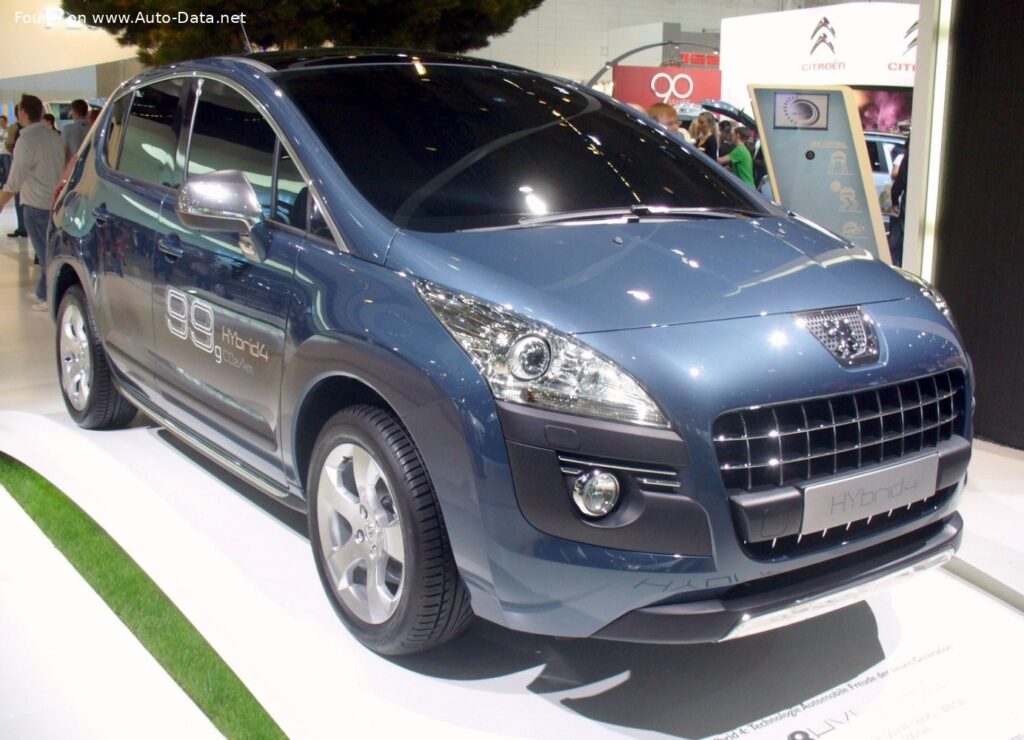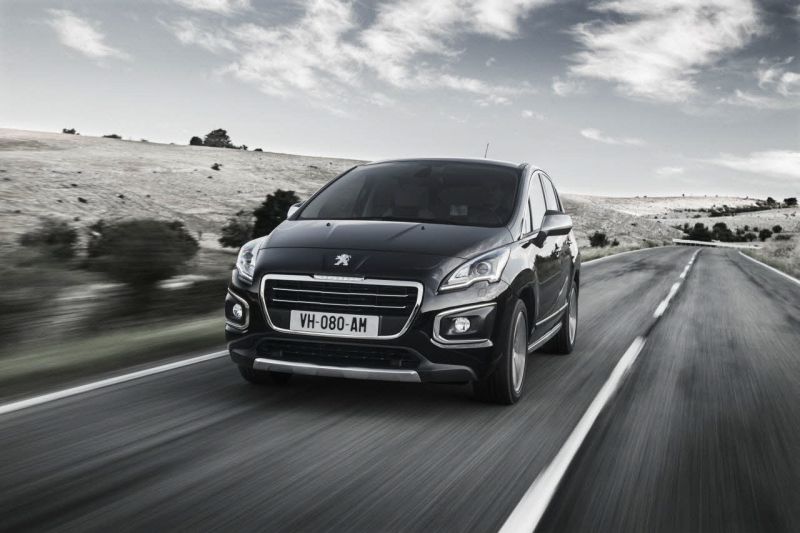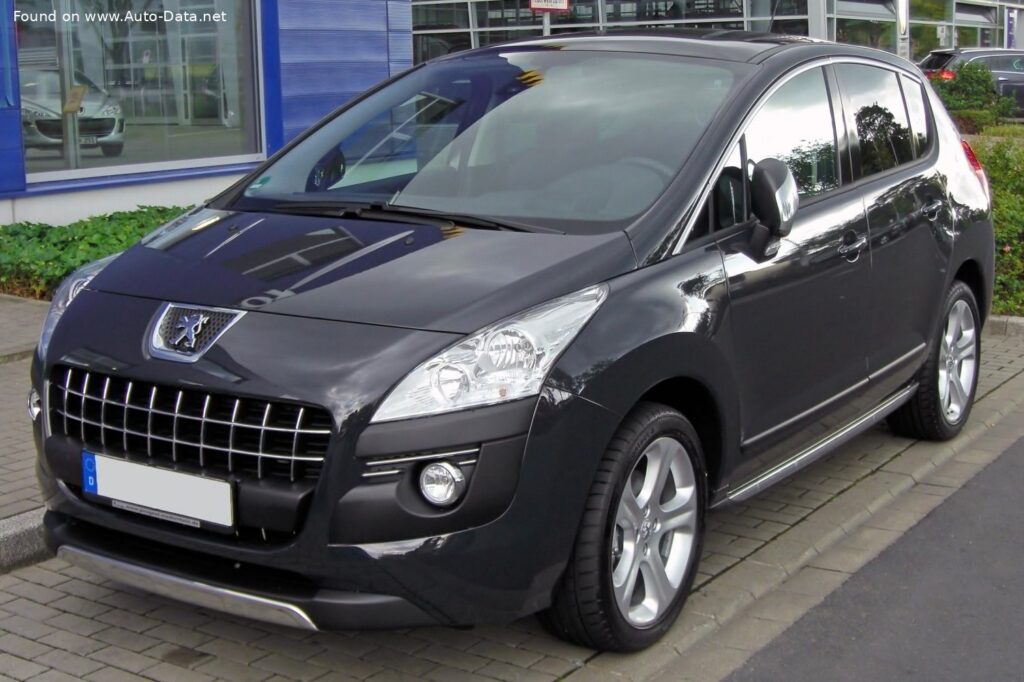
The Peugeot 3008 I (Phase I, 2009) 1.6 VTI (120 Hp) represents a significant entry for the French automaker into the burgeoning compact crossover segment. Launched in 2009, this first-generation 3008 was engineered to combine the practicality of a multi-purpose vehicle (MPV) with the elevated driving position and aesthetic appeal of a sport utility vehicle (SUV). Though never officially offered for sale in the United States, the 3008 quickly gained prominence in European and Asian markets, offering a compelling blend of versatility, comfort, and distinctive styling. The 1.6 VTI variant, producing 120 horsepower, was a popular choice, embodying the model’s focus on efficient performance for both urban and long-distance driving.
Development & History
The Peugeot 3008 I (Phase I) was unveiled in 2008 and marked a departure for Peugeot, moving away from traditional hatchback designs. It was built on Peugeot’s Platform 2, a chassis shared with other PSA Group vehicles like the Citroën C4 Picasso. This platform allowed for a flexible packaging layout and efficient use of space. The 3008 did not have a direct predecessor, as it pioneered a new segment for Peugeot. Its successor, the second-generation 3008 launched in 2016, adopted a more conventional SUV design language and achieved greater commercial success, building upon the foundation laid by the first generation.
Powertrain & Performance
The Peugeot 3008 I (Phase I, 2009) 1.6 VTI is powered by a 1.6-liter inline-four cylinder gasoline engine, internally designated 5FW EP6C. This engine is part of the “Prince” engine family, a collaborative development between PSA Peugeot Citroën and BMW, known for its advanced technology and efficiency in compact applications. Displacing 1598 cm3 (97.52 cubic inches), the engine produces 120 horsepower at 6000 rpm. Torque output is rated at 160 Nm (118.01 lb-ft) at 4250 rpm, providing sufficient power for everyday driving. The engine features a Double Overhead Camshaft (DOHC) valvetrain with four valves per cylinder and multi-port fuel injection.
The powertrain is coupled with a 5-speed manual transmission and a front-wheel drive configuration, prioritizing fuel economy and road performance over off-road capability. Acceleration from 0 to 60 mph is estimated at 11.2 seconds, with a top speed of 114.95 mph. Fuel economy is a strong point for this variant, achieving a combined rating of 33.1 US mpg (7.1 l/100 km). City driving yields approximately 24 US mpg (9.8 l/100 km), while highway driving can achieve up to 42 US mpg (5.6 l/100 km). The 60-liter (15.85 US gallon) fuel tank provides a substantial driving range.
Chassis & Handling
The 3008 I (Phase I) utilizes an independent McPherson strut front suspension with coil springs and an anti-roll bar, designed to provide a comfortable ride and predictable handling. The rear suspension is a semi-independent setup, also employing coil springs. This configuration is typical of French automobiles, prioritizing ride comfort. Braking duties are handled by ventilated discs at the front and solid discs at the rear, supplemented by an Anti-lock Braking System (ABS) for enhanced safety. The electric power steering system, a rack and pinion type, offers light and precise control, enhancing maneuverability in urban environments. The minimum turning circle is 36.09 feet (11 meters), making it relatively agile for a vehicle of its size.
Design & Interior
The Peugeot 3008 I (Phase I, 2009) introduced a distinctive design language for Peugeot, blending SUV and MPV elements. Classified as an SUV, it features a five-door body style and seating for five passengers. Its dimensions – 171.85 inches in length, 72.32 inches in width, and 64.53 inches in height – provide a commanding road presence without being overly large. The 102.87-inch wheelbase contributes to a stable ride and generous interior space. A key design feature is the elevated driving position, offering improved visibility. The exterior design incorporates a prominent grille, sculpted lines, and robust wheel arches, conveying a sense of modernity and adventure. Standard tire size is 225/50R17, mounted on 17.5J x 17-inch alloy wheels.
The interior is designed with versatility in mind. Cargo space, or trunk volume, ranges from 15.26 cubic feet (432 liters) with the rear seats up to 43.83 cubic feet (1241 liters) with the rear seats folded down. The interior styling features a cockpit-like dashboard design, angling controls towards the driver for improved ergonomics.
Variants & Special Editions
The Peugeot 3008 I (Phase I) was offered in several trim levels, including Active, Sport, and Exclusive. These trims varied in terms of standard equipment, such as alloy wheels, climate control, and infotainment systems. While there were no dedicated high-performance versions like a “GTi” or “R” variant, the 3008 was also available with a 2.0-liter HDi diesel engine, offering increased torque and fuel efficiency. Limited edition models were occasionally released, featuring unique cosmetic enhancements and additional equipment.
Technical Specifications
| Category | Specification |
| Brand | Peugeot |
| Model | 3008 |
| Generation | 3008 I (Phase I, 2009) |
| Type (Engine) | 1.6 VTI (120 Hp) |
| Production Start | 2009 |
| Production End | 2013 |
| Powertrain Architecture | Internal Combustion Engine, Front-Wheel Drive |
| Body Type | SUV |
| Seats | 5 |
| Doors | 5 |
| Fuel Consumption (Urban) | 9.8 l/100 km (24 US mpg) |
| Fuel Consumption (Extra Urban) | 5.6 l/100 km (42 US mpg) |
| Fuel Consumption (Combined) | 7.1 l/100 km (33.1 US mpg) |
| Fuel Type | Petrol (Gasoline) |
| Acceleration 0-60 mph | 11.2 seconds |
| Acceleration 0-100 km/h | 11.8 seconds |
| Maximum Speed | 185 km/h (114.95 mph) |
| Emission Standard | Euro 5 |
| Weight-to-Power Ratio | 12.3 kg/Hp (81.4 Hp/tonne) |
| Weight-to-Torque Ratio | 9.2 kg/Nm (108.5 Nm/tonne) |
| Power | 120 Hp @ 6000 rpm |
| Power per Litre | 75.1 Hp/l |
| Torque | 160 Nm (118.01 lb.-ft.) @ 4250 rpm |
| Engine Layout | Front, Transverse |
| Engine Model/Code | 5FW EP6C |
| Engine Displacement | 1598 cm3 (1.6 Liters, 97.52 cu. in.) |
| Number of Cylinders | 4 |
| Engine Configuration | Inline |
| Cylinder Bore | 77 mm (3.03 in.) |
| Piston Stroke | 85.8 mm (3.38 in.) |
| Compression Ratio | 11:1 |
| Valves per Cylinder | 4 |
| Fuel Injection System | Multi-port manifold injection |
| Engine Aspiration | Naturally aspirated |
| Valvetrain | DOHC |
| Kerb Weight | 1474 kg (3249.61 lbs.) |
| Trunk (Boot) Space – Minimum | 432 l (15.26 cu. ft.) |
| Trunk (Boot) Space – Maximum | 1241 l (43.83 cu. ft.) |
| Fuel Tank Capacity | 60 l (15.85 US gal) |
| Length | 4365 mm (171.85 in.) |
| Width | 1837 mm (72.32 in.) |
| Height | 1639 mm (64.53 in.) |
| Wheelbase | 2613 mm (102.87 in.) |
Legacy & Reception
The Peugeot 3008 I (Phase I, 2009) arrived during a period of significant change in the European automotive market. Consumers were increasingly seeking vehicles that combined the practicality of traditional hatchbacks and MPVs with the styling and perceived robustness of SUVs. The 3008 successfully positioned itself as a crossover, offering a compelling blend of these attributes. It earned a reputation for its comfortable ride, refined interior, and intelligent packaging.
In its primary European market, the 3008 faced competition from rivals such as the Nissan Qashqai, Volkswagen Tiguan, and Renault Koleos. Despite this competition, the 3008 established a significant niche due to its distinctive French design, emphasis on comfort, and interior versatility. The 1.6 VTI variant, in particular, was popular for its balance of performance and fuel efficiency. The first-generation 3008 was a crucial model for Peugeot, demonstrating its ability to innovate and adapt to changing market trends. It laid the groundwork for the highly successful second-generation model, which further solidified Peugeot’s position in the global crossover market.