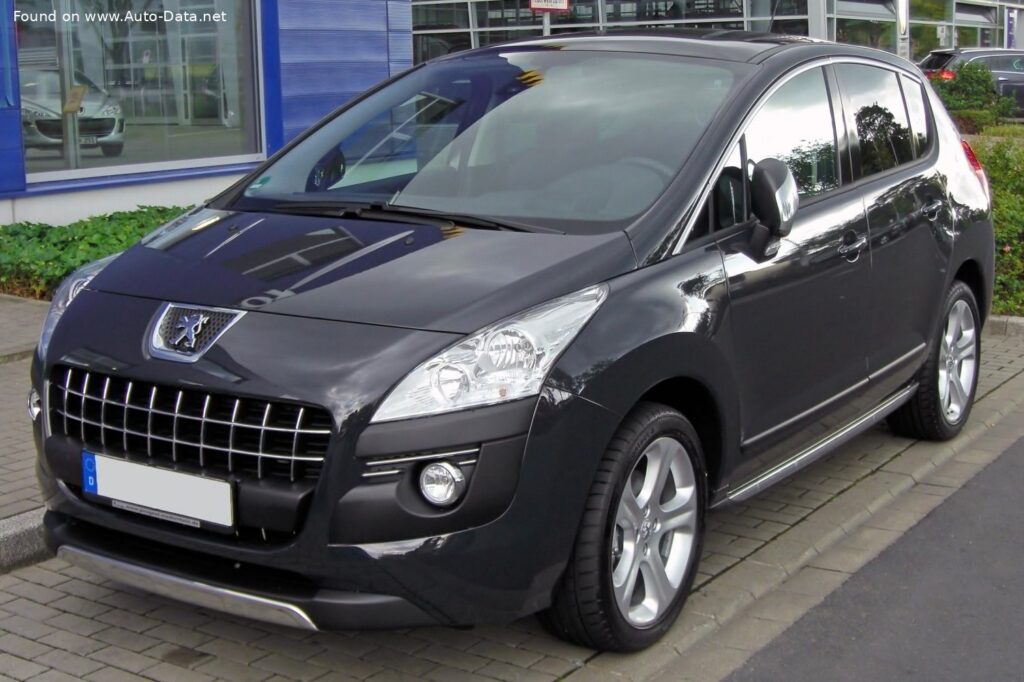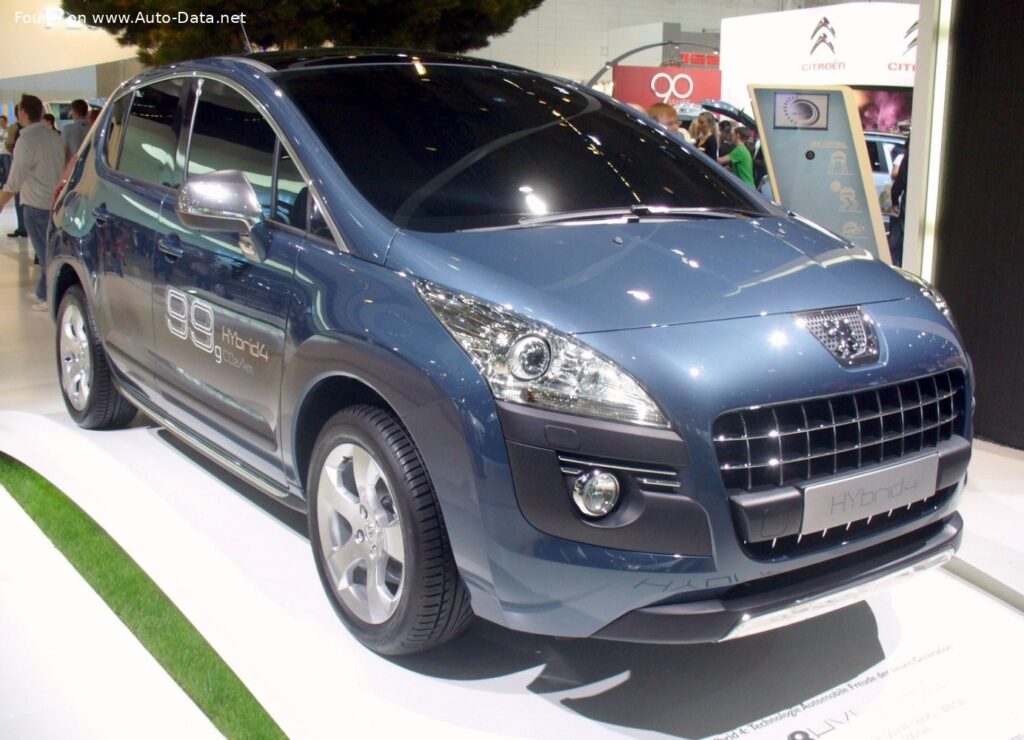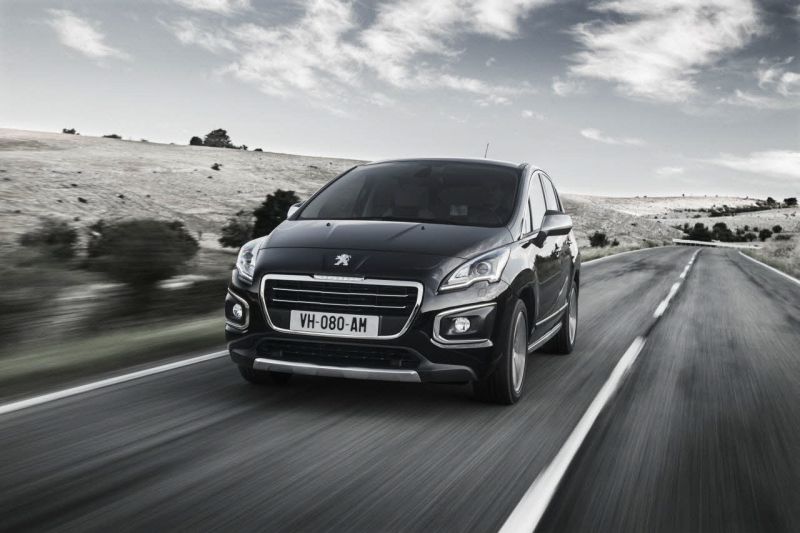
The Peugeot 3008 I (Phase II, 2013) represents a significant chapter in the French automaker’s foray into the burgeoning compact crossover segment. Launched in 2009, the first-generation 3008 initially blurred the lines between an SUV, an MPV (Multi-Purpose Vehicle), and a hatchback, aiming to offer a versatile and practical solution for European families. The “Phase II” update, introduced in 2013, brought a refreshed aesthetic and subtle refinements to keep the model competitive in its primary markets, predominantly across Europe and parts of Asia, where it was not sold in the United States. This particular variant, equipped with the 1.6 Vti engine producing 120 horsepower, was a popular choice, balancing adequate performance with reasonable fuel efficiency for everyday driving.
Peugeot 3008 I (Phase II, 2013): An Overview
Peugeot, a brand renowned for its distinctive design and comfortable ride quality, designed the 3008 to cater to consumers seeking the elevated driving position and robust appearance of an SUV, combined with the flexible interior space of a family car. The 2013 facelift integrated Peugeot’s then-current design language, featuring updated headlights, a revised grille, and new bumper designs, giving it a more modern and cohesive look compared to its initial release. This strategic update aimed to bolster its appeal in a fiercely competitive segment, setting the stage for the brand’s future success in the SUV market.
Engine & Performance
At the heart of this Peugeot 3008 I (Phase II, 2013) model lies the 1.6 Vti naturally aspirated gasoline engine, a powerplant developed in collaboration with BMW. This four-cylinder, inline engine, designated by the code 5FS EP6C, boasts a displacement of 1598 cm³ (97.52 cu. in.). It delivers a respectable 120 horsepower at 6000 rpm, providing a lively, if not exhilarating, driving experience. Peak torque stands at 160 Nm, or approximately 118.01 lb.-ft., available at 4250 rpm. This torque delivery profile is typical of a naturally aspirated engine, requiring drivers to rev the engine to access its full potential, which contributes to its engaging character.
Power is transmitted to the front wheels via a 5-speed manual transmission, a common setup for many European compact cars of its era, emphasizing driver engagement and control. The drivetrain architecture is straightforward: the internal combustion engine is transversely mounted at the front, driving the front wheels. This configuration is efficient for packaging and cost-effectiveness, ideal for a family-oriented crossover.
In terms of performance, the 1.6 Vti variant offers adequate acceleration for daily commuting and highway cruising. The vehicle can accelerate from 0 to 60 mph in a calculated 11.2 seconds, and reach a maximum speed of 114.95 mph (185 km/h). While not a performance leader, these figures are entirely suitable for its intended purpose as a versatile family vehicle. Its weight-to-power ratio stands at 11.7 kg/Hp (85.8 Hp/tonne), indicating a balanced approach to power and mass.
Fuel efficiency was a key consideration for European buyers, and the 1.6 Vti engine delivers competitive figures for its class. The combined fuel consumption is rated at 6.7 l/100 km, which translates to an impressive 35.1 US mpg. Urban driving yields approximately 25.6 US mpg (9.2 l/100 km), while extra-urban conditions see consumption improve to 44.4 US mpg (5.3 l/100 km). With CO2 emissions of 155 g/km, the vehicle meets the Euro 5 emission standard, reflecting its environmental compliance for the period. The 60-liter (15.85 US gallon) fuel tank provides a substantial cruising range, a practical benefit for longer journeys.
Design & Features
The Peugeot 3008 I (Phase II, 2013) retained its distinctive crossover body type, blending the practicality of an MPV with the rugged styling cues of an SUV. It features a 5-door, 5-seat configuration, prioritizing passenger comfort and cargo versatility. The exterior dimensions of the 3008 I Phase II are well-suited for urban maneuverability and highway stability, measuring 171.85 inches (4365 mm) in length, 72.32 inches (1837 mm) in width (excluding mirrors), and 64.37 inches (1635 mm) in height. The wheelbase of 102.87 inches (2613 mm) contributes to a comfortable ride and stable handling.
The Phase II facelift introduced a more refined front fascia, aligning the 3008 with Peugeot’s contemporary design language. This included a redesigned grille, often featuring chrome accents, and more angular headlights that incorporated LED daytime running lights on higher trims, enhancing its visual presence. The overall silhouette remained chunky and robust, signaling its crossover intentions without being overly aggressive.
Inside, the 3008 was praised for its ergonomic layout and quality materials, particularly for a vehicle in its segment. The cabin offered a commanding driving position, characteristic of SUVs, and excellent visibility. Practicality was a strong suit, with a minimum trunk space of 512 liters (18.08 cu. ft.), which could expand significantly to 1604 liters (56.64 cu. ft.) with the rear seats folded down. This generous cargo capacity made it a highly functional vehicle for families, capable of accommodating luggage, sports equipment, or even small furniture items. Thoughtful storage solutions and flexible seating arrangements further enhanced its utility.
Underpinning the 3008’s ride quality was an independent suspension system. The front featured a McPherson strut setup with coil springs and an anti-roll bar, while the rear utilized an independent coil spring configuration. This combination provided a comfortable and composed ride, absorbing road imperfections effectively. Braking duties were handled by ventilated discs at the front and disc brakes at the rear, complemented by an Anti-lock Braking System (ABS) for enhanced safety during emergency stops. The steering system was a rack and pinion type, offering precise control. The vehicle was fitted with 225/50 R17 tires on 17-inch wheel rims, providing a good balance of grip and ride comfort.
Technical Specifications
| Category | Specification |
| Brand | Peugeot |
| Model | 3008 |
| Generation | 3008 I (Phase II, 2013) |
| Type (Engine) | 1.6 Vti (120 Hp) |
| Start of Production | 2013 year |
| End of Production | 2015 year |
| Powertrain Architecture | Internal Combustion engine |
| Body type | SUV |
| Seats | 5 |
| Doors | 5 |
| Fuel consumption (economy) – urban | 9.2 l/100 km (25.6 US mpg) |
| Fuel consumption (economy) – extra urban | 5.3 l/100 km (44.4 US mpg) |
| Fuel consumption (economy) – combined | 6.7 l/100 km (35.1 US mpg) |
| CO2 emissions | 155 g/km |
| Fuel Type | Petrol (Gasoline) |
| Acceleration 0 – 60 mph | 11.2 sec |
| Maximum speed | 185 km/h (114.95 mph) |
| Emission standard | Euro 5 |
| Weight-to-power ratio | 11.7 kg/Hp |
| Engine Specs | |
| Power | 120 Hp @ 6000 rpm |
| Torque | 160 Nm @ 4250 rpm (118.01 lb.-ft. @ 4250 rpm) |
| Engine displacement | 1598 cm³ (97.52 cu. in.) |
| Number of cylinders | 4 |
| Dimensions | |
| Length | 4365 mm (171.85 in.) |
| Width | 1837 mm (72.32 in.) |
| Height | 1635 mm (64.37 in.) |
| Wheelbase | 2613 mm (102.87 in.) |
Legacy & Market Impact
The Peugeot 3008 I (Phase II, 2013) played a crucial role in Peugeot’s strategy to adapt to changing consumer preferences in the European automotive market. When it first launched, the 3008 was a somewhat unconventional offering, blending segments at a time when traditional SUVs and MPVs still held distinct positions. Its unique design, which some found polarizing, aimed to offer the best of both worlds: the elevated driving position and perceived safety of an SUV, coupled with the interior flexibility and comfort of an MPV, all within a compact footprint.
In its primary European market, the 3008 I faced stiff competition from established players like the Nissan Qashqai, which largely defined the compact crossover segment, as well as the Volkswagen Tiguan, Ford Kuga, and Renault Kadjar. Despite the competition, the 3008 carved out a niche for itself, appealing to buyers who appreciated its distinctive French flair, comfortable ride, and practical interior. The 1.6 Vti (120 Hp) variant, in particular, offered a compelling balance of performance and economy, making it a popular choice for families and urban commuters who needed versatility without excessive running costs.
The Phase II facelift was instrumental in keeping the first-generation 3008 relevant during its later production years (2013-2015). The refreshed styling helped it maintain a modern appearance against newer rivals, while the underlying mechanicals continued to provide a reliable and pleasant driving experience. While it wasn’t a sales phenomenon in the same way its successor would become, the 3008 I demonstrated Peugeot’s capability to innovate in the crossover space and laid important groundwork. It proved that Peugeot could successfully pivot towards SUV-like vehicles, learning valuable lessons that would inform the development of the critically acclaimed second-generation 3008, which debuted in 2016 and went on to win numerous awards, including European Car of the Year.
The legacy of the Peugeot 3008 I is one of pioneering spirit and steady evolution. It represented Peugeot’s initial, somewhat experimental, step into a segment that would eventually dominate global automotive sales. Its emphasis on practicality, comfort, and distinctive design, even if not universally adored, solidified its reputation as a sensible and characterful option within the crowded European compact crossover market. For those seeking a used vehicle today, the 3008 I (Phase II) 1.6 Vti (120 Hp) remains a testament to French automotive engineering, offering a practical, efficient, and comfortable package for its class.