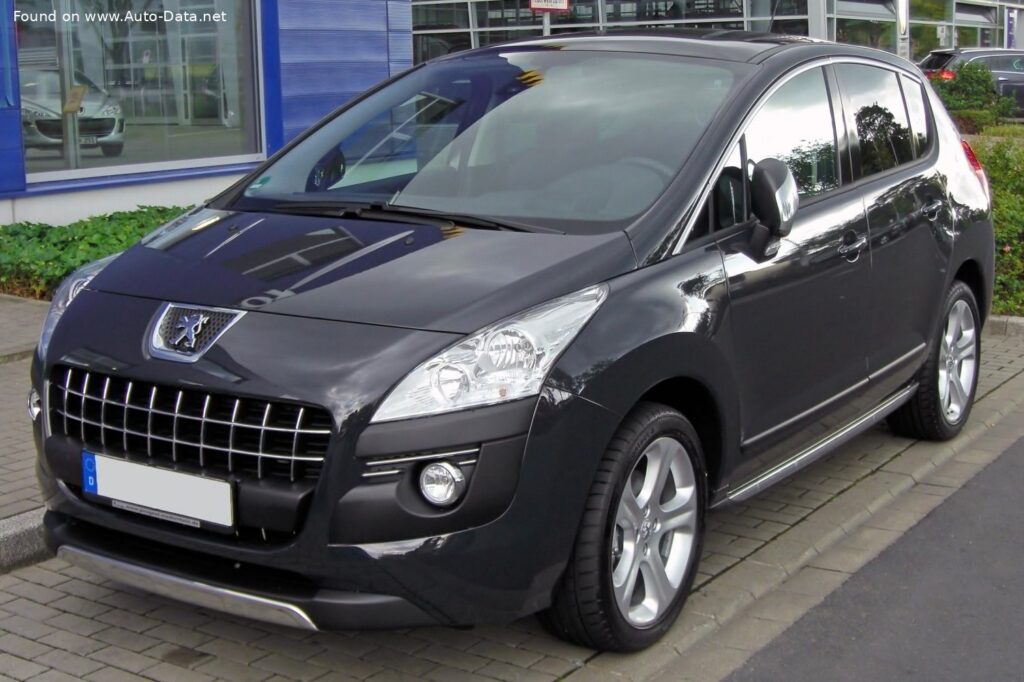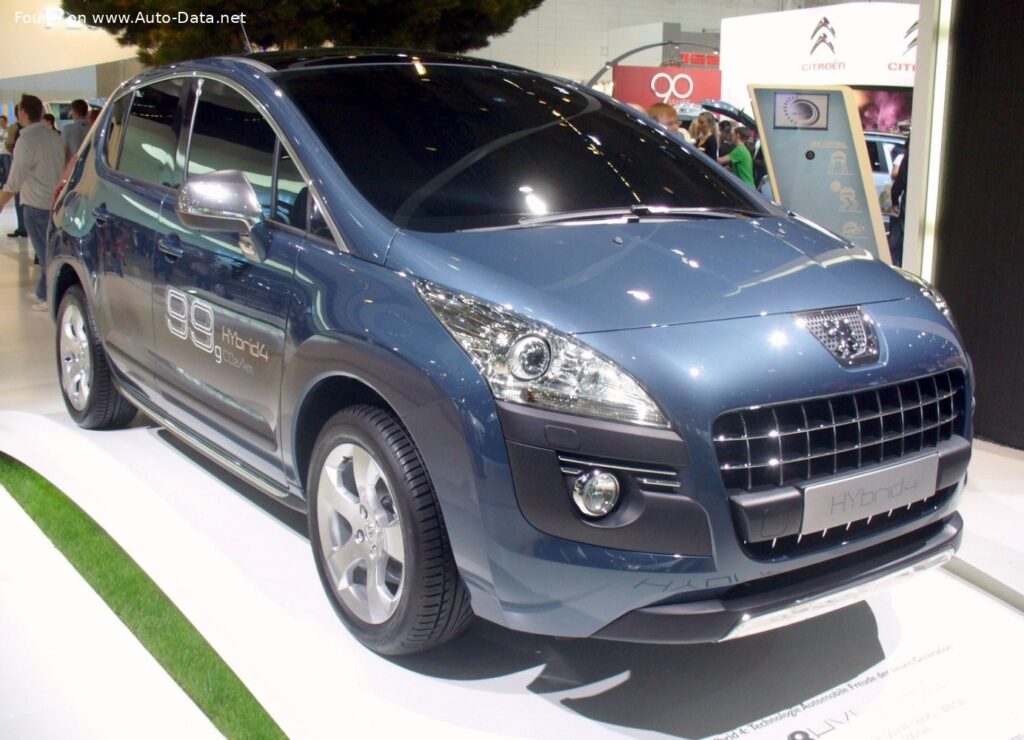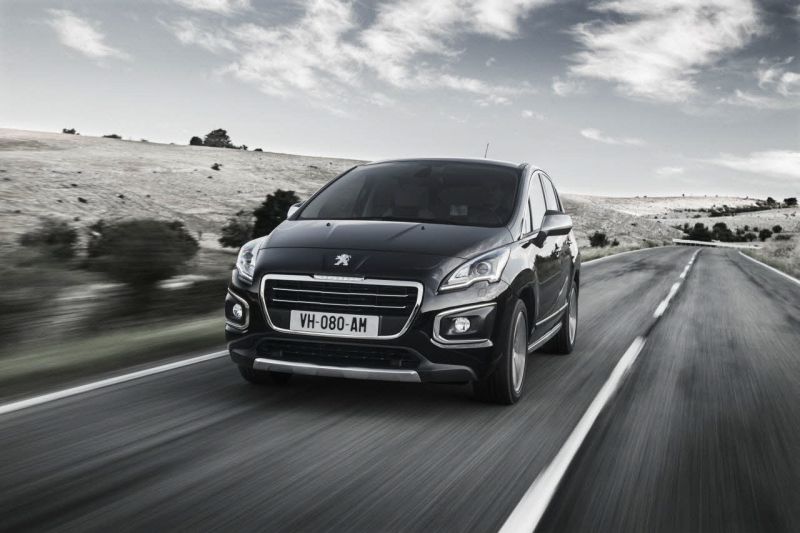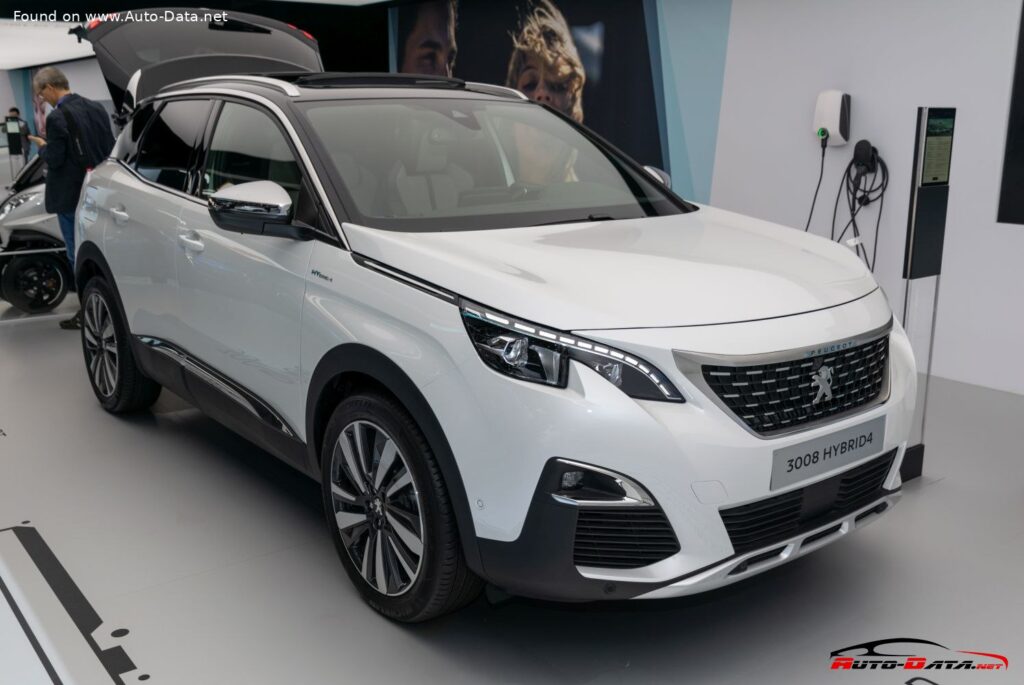
The Peugeot 3008 II (Phase I, 2016) GT 2.0 BlueHDi (177 Hp) Automatic S&S represents a pivotal moment in the French automaker’s modern history, marking a radical transformation from its first-generation MPV-like predecessor into a sleek, sophisticated, and highly competitive compact SUV. Launched in 2016 for the 2017 model year, this second-generation 3008 quickly garnered critical acclaim, including the prestigious European Car of the Year award in 2017. While Peugeot models are not widely sold in the United States, this particular variant, the GT with its potent 2.0-liter BlueHDi diesel engine and advanced automatic transmission, stands as a testament to European automotive engineering, blending elegant design, robust performance, and remarkable fuel efficiency tailored for its primary markets across Europe and Asia.
The Peugeot 3008 II GT: A European Crossover Benchmark
The 3008 II’s introduction heralded a new design language for Peugeot, characterized by sharp lines, an assertive front fascia, and a distinctive “Black Diamond” roof on higher trims like the GT. Internally, it pioneered the evolution of Peugeot’s innovative i-Cockpit, offering a futuristic and driver-centric cabin experience. This specific GT model, produced between 2017 and 2020, positioned itself at the premium end of the 3008 lineup, offering a compelling package for buyers seeking a stylish, well-equipped, and economical compact SUV with a touch of sporty flair.
Engine & Performance
At the heart of the Peugeot 3008 II (Phase I, 2016) GT 2.0 BlueHDi (177 Hp) Automatic S&S lies a sophisticated powertrain designed for both spirited driving and impressive efficiency. This model is equipped with Peugeot’s 2.0-liter (121.86 cubic inches or 1997 cm3) BlueHDi diesel engine, an inline four-cylinder unit featuring a turbocharger and intercooler for optimal performance. This engine, internally coded AHW DW10FC, produces a robust 177 horsepower at 3750 rpm, delivering ample power for highway cruising and confident overtaking.
What truly sets this diesel apart is its substantial torque output. The engine generates 295.02 lb.-ft. (400 Nm) of torque from a low 2000 rpm, providing strong acceleration from a standstill and excellent mid-range responsiveness, a characteristic highly valued in European driving conditions. This power is seamlessly managed by an advanced 8-speed automatic transmission, which ensures smooth gear changes and contributes significantly to both performance and fuel economy. The powertrain architecture is front-wheel drive, a common and efficient setup for compact SUVs in this segment.
Performance figures underscore the GT’s capabilities: it accelerates from 0 to 60 mph in a brisk 8.6 seconds (0-100 km/h in 9 seconds) and can reach a top speed of 129.25 mph (208 km/h). These numbers highlight its ability to handle demanding driving scenarios with ease. Furthermore, the vehicle’s weight-to-power ratio stands at a respectable 8.4 kg/Hp (119.6 Hp/tonne), indicating a well-balanced power delivery for its size and class. Beyond raw performance, the 2.0 BlueHDi engine shines in terms of efficiency and environmental compliance. It boasts an impressive combined fuel economy of 49 US mpg (4.8 liters per 100 km), making it a highly economical choice for long-distance travel. Urban consumption is rated at 45.2 US mpg, while extra-urban driving can achieve up to 52.3 US mpg. With CO2 emissions of just 124 g/km, the 3008 GT meets the stringent Euro 6 d-TEMP emission standard, reflecting Peugeot’s commitment to cleaner diesel technology through features like the Start & Stop System and a particulate filter.
Design & Features
The second-generation Peugeot 3008 marked a radical departure from its predecessor, transforming into a true SUV with a commanding presence. The GT trim further amplified this with distinctive styling cues such as larger alloy wheels (18-inch standard, 19-inch optional), chrome accents, and a sportier front bumper. Its exterior dimensions – a length of 175.08 inches, a width of 72.48 inches, and a height of 63.94 inches – place it squarely in the compact SUV segment, offering a good balance of maneuverability and interior space. The generous 8.62 inches of ground clearance (219 mm) provides an authentic SUV stance and capability for tackling varied terrain, complemented by approach and departure angles of 20° and 29°, respectively.
Inside, the 3008 II introduced Peugeot’s acclaimed i-Cockpit design philosophy, which revolutionizes the driver’s environment. This includes a small, flat-bottomed steering wheel, a configurable 12.3-inch digital instrument cluster (Peugeot’s ‘head-up display’), and an 8-inch touchscreen infotainment system angled towards the driver. The GT trim specifically enhanced this experience with premium materials, including Alcantara and leather upholstery, copper stitching, and chrome details, creating an upscale and modern cabin ambiance. The five-seat configuration offers comfortable seating for adults, and the vehicle’s 105.31-inch wheelbase contributes to a spacious feel.
Practicality is another strong suit, with a minimum trunk capacity of 18.36 cubic feet (520 liters), expandable to a substantial 52.34 cubic feet (1482 liters) with the rear seats folded, making it versatile for families and cargo. The vehicle’s kerb weight of 3262.84 lbs (1480 kg) ensures a solid feel on the road, while its maximum load capacity of 1344.82 lbs (610 kg) and a permitted trailer load with brakes of 4409.25 lbs (2000 kg) underscore its utility. In terms of ride and handling, the 3008 GT features an independent McPherson strut front suspension with coil springs and an anti-roll bar, paired with a semi-independent rear suspension with coil springs. This setup provides a comfortable yet composed ride. Braking is handled by ventilated discs at the front and disc brakes at the rear, augmented by an Anti-lock Braking System (ABS) for enhanced safety. Electric power steering ensures light and precise control, contributing to an engaging driving experience.
Technical Specifications
| Brand | Peugeot |
| Model | 3008 |
| Generation | 3008 II (Phase I, 2016) |
| Type (Engine) | GT 2.0 BlueHDi (177 Hp) Automatic S&S |
| Start of Production | 2017 year |
| End of Production | 2020 year |
| Powertrain Architecture | Internal Combustion engine |
| Body type | SUV |
| Seats | 5 |
| Doors | 5 |
| Fuel Consumption (Economy) – Urban | 5.2 l/100 km (45.2 US mpg) |
| Fuel Consumption (Economy) – Extra Urban | 4.5 l/100 km (52.3 US mpg) |
| Fuel Consumption (Economy) – Combined | 4.8 l/100 km (49 US mpg) |
| CO2 Emissions | 124 g/km |
| Fuel Type | Diesel |
| Acceleration 0 – 60 mph | 8.6 sec |
| Acceleration 0 – 100 km/h | 9 sec |
| Maximum Speed | 129.25 mph (208 km/h) |
| Emission Standard | Euro 6 d-TEMP |
| Weight-to-Power Ratio | 8.4 kg/Hp (119.6 Hp/tonne) |
| Weight-to-Torque Ratio | 3.7 kg/Nm (270.3 Nm/tonne) |
| Power | 177 Hp @ 3750 rpm |
| Power per Liter | 88.6 Hp/l |
| Torque | 295.02 lb.-ft. (400 Nm) @ 2000 rpm |
| Engine Layout | Front, Transverse |
| Engine Model/Code | AHW DW10FC |
| Engine Displacement | 121.86 cu. in. (1997 cm3) |
| Number of Cylinders | 4 |
| Engine Configuration | Inline |
| Cylinder Bore | 3.35 in. (85 mm) |
| Piston Stroke | 3.46 in. (88 mm) |
| Number of Valves per Cylinder | 4 |
| Fuel Injection System | Diesel Commonrail |
| Engine Aspiration | Turbocharger, Intercooler |
| Engine Oil Capacity | 5.28 US qt (5 l) |
| Engine Systems | Start & Stop System, Particulate filter |
| Kerb Weight | 3262.84 lbs (1480 kg) |
| Max. Weight | 4607.66 lbs (2090 kg) |
| Max Load | 1344.82 lbs (610 kg) |
| Trunk (Boot) Space – Minimum | 18.36 cu. ft. (520 l) |
| Trunk (Boot) Space – Maximum | 52.34 cu. ft. (1482 l) |
| Fuel Tank Capacity | 14 US gal (53 l) |
| Permitted Trailer Load with Brakes (12%) | 4409.25 lbs (2000 kg) |
| Length | 175.08 in. (4447 mm) |
| Width | 72.48 in. (1841 mm) |
| Height | 63.94 in. (1624 mm) |
| Wheelbase | 105.31 in. (2675 mm) |
Legacy and Market Impact
The Peugeot 3008 II, particularly the GT 2.0 BlueHDi variant, carved out a significant legacy in the highly competitive European compact SUV segment. Its transformation from a somewhat quirky MPV to a stylish, true-SUV silhouette was a masterstroke that resonated deeply with consumers. The vehicle’s striking exterior design, combined with its revolutionary i-Cockpit interior and a strong emphasis on perceived quality, elevated Peugeot’s brand image and demonstrated its capability to compete with more established premium offerings in its class.
Winning the European Car of the Year award in 2017 was a monumental achievement that cemented its reputation as a segment leader. This recognition highlighted its balanced attributes: an attractive design, a comfortable and innovative interior, efficient powertrains, and engaging driving dynamics for an SUV. The Peugeot 3008 II (Phase I, 2016) GT 2.0 BlueHDi (177 Hp) Automatic S&S, with its powerful yet economical diesel engine, perfectly exemplified the European preference for high-torque, fuel-efficient diesel options, a segment that remains strong despite the growing shift towards electrification.
In its primary markets, the 3008 GT competed fiercely with rivals such as the Nissan Qashqai, Volkswagen Tiguan, Renault Kadjar, Hyundai Tucson, Kia Sportage, and the Ford Kuga (known as the Escape in North America). What set the 3008 apart was its bold styling and its commitment to a unique interior experience, which many competitors struggled to match. It proved that a mainstream brand could offer a genuinely premium-feeling product without necessarily adopting an all-wheel-drive system or a luxury badge.
The success of the 3008 II was instrumental in shaping Peugeot’s subsequent design philosophy, with elements of its exterior and interior design language influencing models like the 5008 SUV and the latest 208 and 2008 models. It underscored Peugeot’s ability to innovate and redefine its position in the global automotive landscape, moving away from purely utilitarian vehicles towards more aspirational and design-led products. While the 3008 GT 2.0 BlueHDi may remain an unfamiliar sight on American roads, its impact on the European and global compact SUV markets is undeniable, standing as a benchmark for what a modern, efficient, and stylish crossover can be.