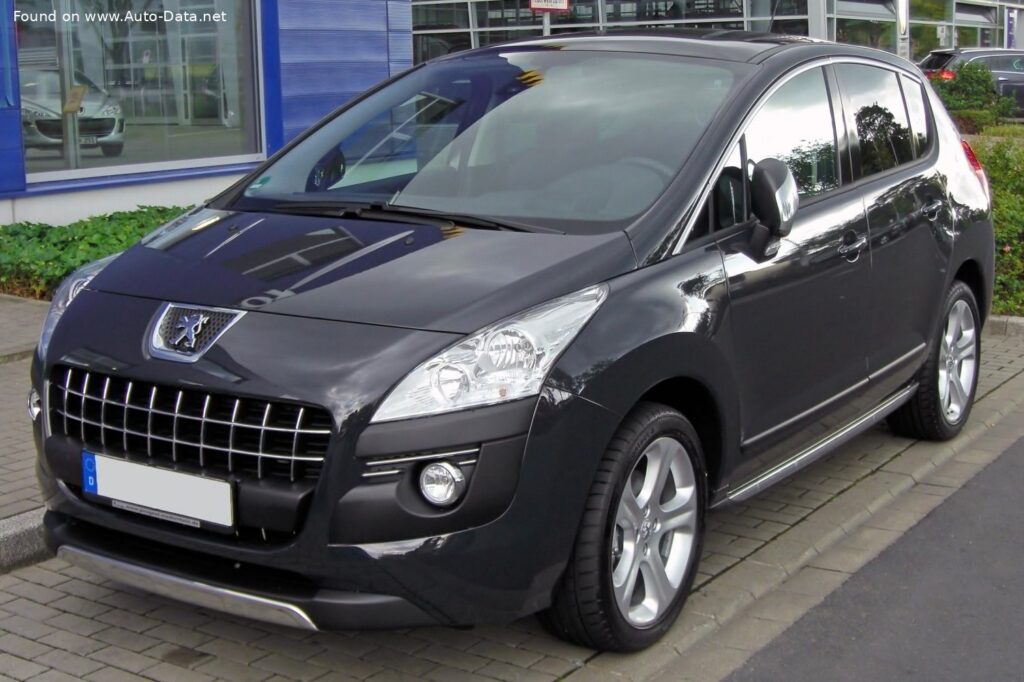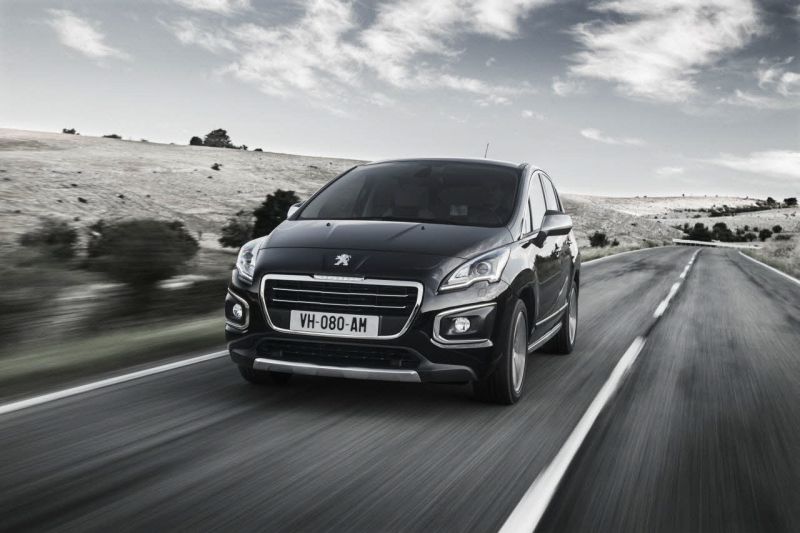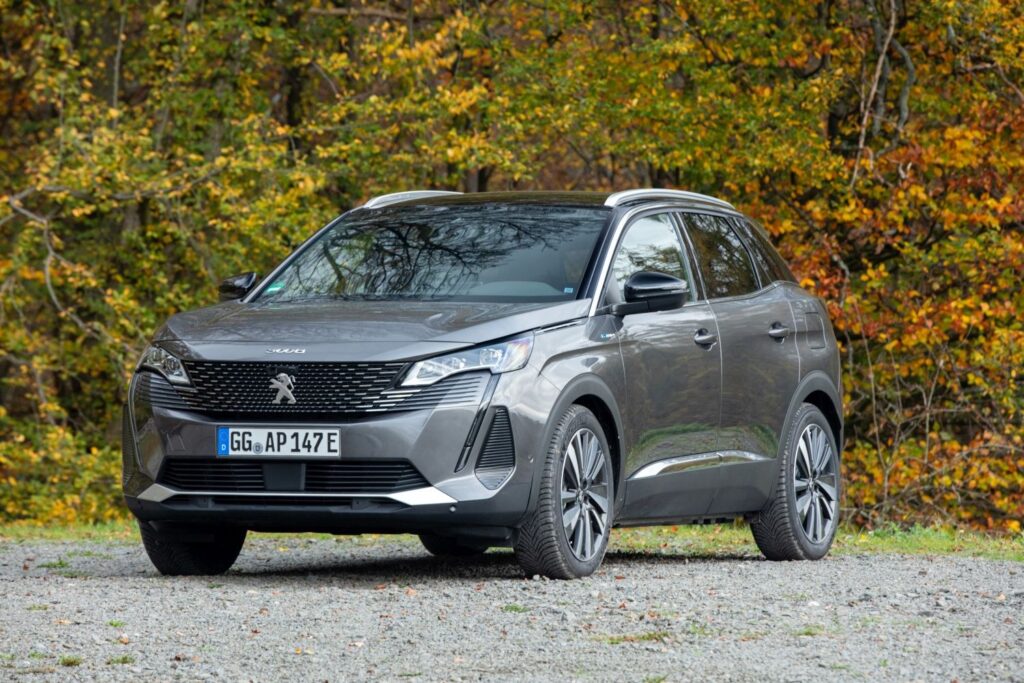
The Peugeot 3008 II (Phase II, 2020) 1.2 (136 Hp) Hybrid e-DCS6 represents a modern European compact crossover SUV, embodying Peugeot’s design and engineering philosophies. While Peugeot is not currently sold in the United States, the 3008 holds a significant position in the European market, offering a blend of style, efficiency, and technology. The “Phase II” designation indicates a substantial facelift and technological upgrade introduced in 2020, enhancing its competitiveness. This particular variant, launched in April 2023, showcases Peugeot’s commitment to mild-hybrid technology for improved fuel economy and reduced emissions.
The Peugeot 3008 II: A Modern European Crossover
The Peugeot 3008 II is the second generation of Peugeot’s popular compact crossover SUV, first introduced in 2016. The 2020 Phase II update brought refreshed styling, enhanced features, and updated powertrains. The 1.2 (136 Hp) Hybrid e-DCS6 variant is a notable addition, demonstrating Peugeot’s move towards electrification. Positioned in the competitive C-segment SUV market in Europe, the 3008 distinguishes itself with its unique styling, premium interior, and engaging driving dynamics. This mild-hybrid electric vehicle (MHEV) powertrain, produced for a limited time in 2023, reflects the automotive industry’s response to stringent environmental regulations, specifically the Euro 6d emissions standard.
Engine & Performance
The Peugeot 3008 II (Phase II, 2020) 1.2 (136 Hp) Hybrid e-DCS6 features a powertrain combining a gasoline engine with a mild-hybrid system. The internal combustion engine (ICE) is Peugeot’s PureTech / HN09 1.2-liter (1199 cm³ or 73.17 cu. in.) three-cylinder inline engine. Equipped with a turbocharger, intercooler, and direct injection fuel system, it produces 136 horsepower at 5500 rpm and 230 Nm (169.64 lb.-ft.) of torque at 1750 rpm, providing responsive acceleration.
The mild-hybrid component integrates a 48-volt system with a compact lithium-ion battery and an electric motor. The synchronous electric motor is integrated into the e-DCS6 automatic transmission, adding 21 horsepower and 55 Nm (40.57 lb.-ft.) of torque. This MHEV system, classified as a power-assist or battery-assisted hybrid vehicle (BAHV), boosts the gasoline engine during acceleration, enables engine shut-off during coasting or low-speed driving, and improves fuel efficiency. It also recovers energy through regenerative braking.
Performance figures are competitive for its class. The 3008 Hybrid e-DCS6 accelerates from 0 to 60 mph in approximately 9.5 seconds, and 0 to 100 km/h in 10 seconds. Its top speed is 200 km/h (124.27 mph). Combined fuel consumption (WLTP) is 5.6-5.7 liters per 100 km (approximately 41.3 to 42 US miles per gallon), with CO2 emissions of 126-129 g/km, meeting the Euro 6d standard.
Design & Features
The Peugeot 3008 II (Phase II, 2020) maintains its distinctive SUV styling. The 2020 facelift introduced a more assertive front fascia with a frameless grille, sharp LED headlights with “fang-like” daytime running lights, and updated taillights featuring Peugeot’s signature “three-claw” design. The aesthetic is bold, sophisticated, and European, blending SUV ruggedness with elegant lines.
Inside, the 3008 features Peugeot’s i-Cockpit, a defining characteristic of modern Peugeot vehicles. This ergonomic layout includes a compact steering wheel, a configurable 12.3-inch digital instrument cluster, and a central touchscreen infotainment system. The interior boasts high-quality materials, meticulous fit and finish, and a futuristic, driver-focused design. The five-door SUV body type provides comfortable seating for five and easy access.
The 3008 Hybrid e-DCS6 is equipped with modern amenities and safety systems, including a Start & Stop System, a particulate filter, and ABS (Anti-lock Braking System). Its dimensions – 175.08 inches in length, 72.48 inches (82.6 inches with mirrors) in width, and 63.94 inches in height – provide a commanding road presence while maintaining maneuverability. The 105.31-inch wheelbase contributes to a stable ride and ample interior space. With 8.62 inches of ground clearance, it offers capability for light off-road excursions.
The trunk (boot) space is versatile, offering 7.42 to 20.87 cubic feet (210-591 liters) with the rear seats up, expanding to 58.98 cubic feet (1670 liters) with the rear seats folded down, providing practicality for families and cargo.
Technical Specifications
| Category | Specification |
| Brand | Peugeot |
| Model | 3008 |
| Generation | 3008 II (Phase II, 2020) |
| Type (Engine) | 1.2 (136 Hp) Hybrid e-DCS6 |
| Start of Production | April, 2023 |
| End of Production | September, 2023 |
| Powertrain Architecture | MHEV (Mild Hybrid Electric Vehicle) |
| Body Type | SUV |
| Seats | 5 |
| Doors | 5 |
| Combined Fuel Consumption (WLTP) | 5.6-5.7 l/100 km (41.3 – 42 US mpg) |
| CO2 Emissions (WLTP) | 126-129 g/km |
| Fuel Type | Petrol (Gasoline) |
| Acceleration 0 – 60 mph (Calculated) | 9.5 sec |
| Acceleration 0 – 100 km/h | 10 sec |
| Maximum Speed | 200 km/h (124.27 mph) |
| Emission Standard | Euro 6d |
| Gross Battery Capacity | 0.89 kWh |
| Net (Usable) Battery Capacity | 0.43 kWh |
| Battery Voltage | 48 V |
| Battery Technology | Lithium-ion (Li-Ion) |
| Engine Displacement | 1199 cm³ (1.2 Liters / 73.17 cu. in.) |
| Power | 136 Hp @ 5500 rpm |
| Torque | 230 Nm @ 1750 rpm (169.64 lb.-ft. @ 1750 rpm) |
| Length | 4447 mm (175.08 in.) |
| Width | 1841 mm (72.48 in.) |
| Height | 1624 mm (63.94 in.) |
The Peugeot 3008 II, particularly its second generation, has established a strong presence in the European compact SUV market. Praised for its design, interior, and driving experience, it won the European Car of the Year award in 2017. The introduction of mild-hybrid variants like the 1.2 (136 Hp) Hybrid e-DCS6 demonstrates Peugeot’s commitment to electrification and responding to emissions regulations. While the production run of this specific variant was brief, it was a crucial step in Peugeot’s broader electrification strategy. The 3008 competes with models like the Volkswagen Tiguan and Hyundai Tucson, differentiating itself through styling, the i-Cockpit, and a perceived upmarket feel.
The short production window for this specification reflects the rapid changes in the automotive industry. Nevertheless, the 3008 II (Phase II) 1.2 (136 Hp) Hybrid e-DCS6 exemplifies Peugeot’s engineering and commitment to innovative, efficient, and stylish vehicles, even without a direct presence in the American market.