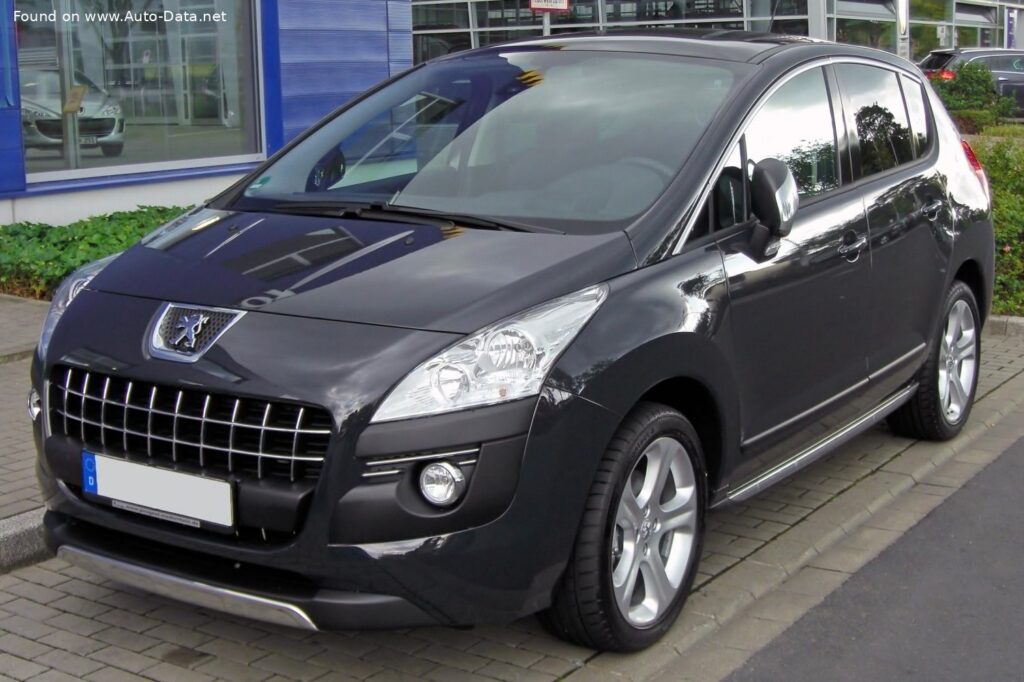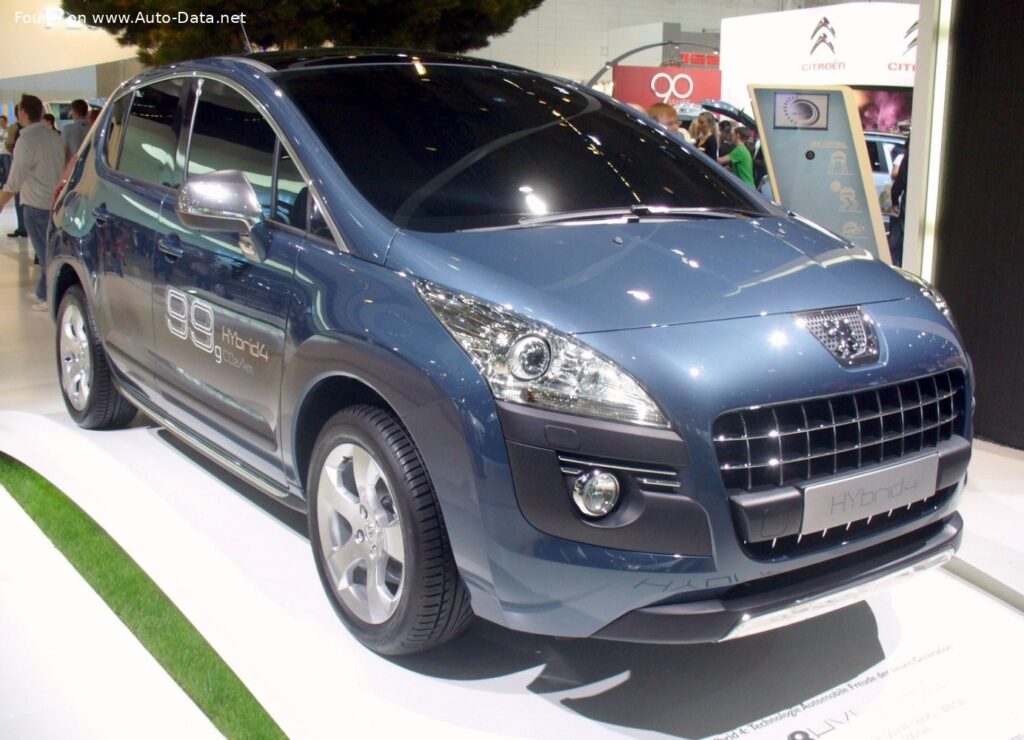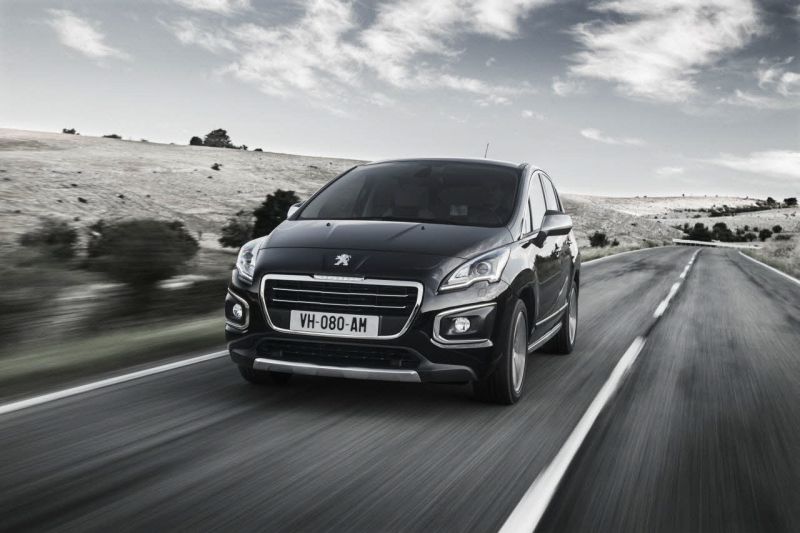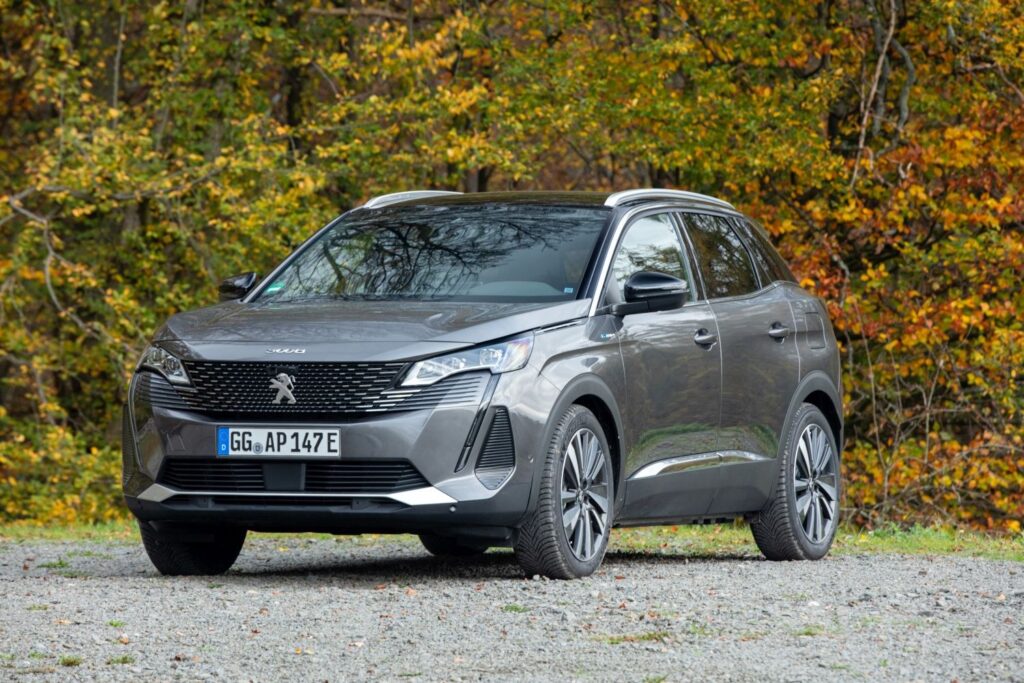
The Peugeot 3008 II (Phase II, 2020) 1.6 (180 Hp) Plug-in Hybrid e-EAT8 represents a significant evolution in the compact crossover SUV segment, particularly within the European market. As a brand with a strong presence in Europe and Asia, Peugeot has consistently focused on design innovation, technological advancement, and powertrain efficiency. This specific iteration of the 3008, introduced with updates in 2020, exemplifies this commitment, blending internal combustion and electric power to meet stringent European emission standards while delivering a compelling driving experience. The production run of this configuration in 2023 highlights Peugeot’s strategy to electrify its popular SUV lineup, offering a practical and dynamic solution for modern mobility.
Engine & Performance of the Peugeot 3008 II (Phase II, 2020)
The Peugeot 3008 II (Phase II, 2020) 1.6 (180 Hp) Plug-in Hybrid e-EAT8 utilizes an advanced plug-in hybrid electric vehicle (PHEV) powertrain. This system combines a turbocharged 1.6-liter (1598 cm³) PureTech gasoline engine with an electric motor, delivering power to the front wheels via an efficient 8-speed automatic e-EAT transmission. The gasoline engine, an inline-four configuration with four valves per cylinder and direct injection, produces 150 horsepower at 6000 rpm and 221.27 lb.-ft. of torque at 3000 rpm. It incorporates a turbocharger, intercooler, Start & Stop System, and a particulate filter to optimize efficiency and reduce emissions.
Supplementing the internal combustion engine is a 110 horsepower electric motor, operating at 2500 rpm and generating 236.02 lb.-ft. of torque between 500-2500 rpm. This motor is strategically positioned between the engine and transmission. The combined system output reaches 180 horsepower and 265.52 lb.-ft. of torque. This allows the 3008 PHEV to accelerate from 0 to 60 mph in 8.4 seconds, with a maximum speed of 133.59 mph.
The PHEV system is powered by a 12.4 kWh gross capacity lithium-ion battery (11.3 kWh usable), operating at 350 volts. Weighing 264.55 lbs., the battery is located under the rear seats. It provides an all-electric range of 36.66 miles (WLTP). Combined fuel economy, measured by WLTP, ranges from 156.8 to 147 US mpg, demonstrating significant efficiency gains. Average energy consumption is rated at 131 MPGe, and the vehicle complies with Euro 6d emission standards, producing 33-35 g/km of CO2.
Design & Features
The Peugeot 3008 II (Phase II, 2020) retains its distinctive SUV body style, characterized by a bold and angular design. The Phase II update included a redesigned front grille integrated into the bumper, new full LED headlights, and updated taillights, enhancing its contemporary appearance. Its dimensions – 175.08 inches in length, 72.48 inches in width, and 63.94 inches in height – provide a commanding presence while maintaining maneuverability. A 105.31-inch wheelbase contributes to a stable ride and generous interior space for five occupants across five doors.
Inside, the 3008 features Peugeot’s “i-Cockpit,” an ergonomic design with a small-diameter steering wheel, a 12.3-inch digital instrument cluster positioned above the steering wheel, and a central touchscreen infotainment system. This setup aims to improve driver engagement and provide intuitive access to vehicle functions. Cargo space ranges from 7.42 cubic feet (reduced due to battery placement) to 58.98 cubic feet with the rear seats folded. The vehicle also offers 8.62 inches of ground clearance, with approach and departure angles of 20° and 29° respectively, suggesting some off-road capability.
Standard features include electric power steering and a braking system with ventilated front discs and rear discs, supported by an Anti-lock Braking System (ABS). The suspension comprises an independent McPherson setup at the front and a semi-independent coil spring system at the rear, tuned for a comfortable ride. The vehicle typically rides on 18-inch or 19-inch wheels, with tire sizes like 225/55 R18 or 225/50 R19.
Technical Specifications
| Category | Specification |
| General Information | |
| Brand | Peugeot |
| Model | 3008 |
| Generation | 3008 II (Phase II, 2020) |
| Type (Engine) | 1.6 (180 Hp) Plug-in Hybrid e-EAT8 |
| Start of Production | January, 2023 |
| End of Production | September, 2023 |
| Powertrain Architecture | PHEV (Plug-in Hybrid Electric Vehicle) |
| Body Type | SUV |
| Seats | 5 |
| Doors | 5 |
| Performance Specs | |
| Combined Fuel Consumption (WLTP) | 1.5-1.6 l/100 km (156.8 – 147 US mpg) |
| CO2 Emissions (WLTP) | 33-35 g/km |
| Fuel Type | Petrol / Electricity |
| Acceleration 0 – 60 mph | 8.4 seconds |
| Maximum Speed | 133.59 mph (215 km/h) |
| Emission Standard | Euro 6d |
| Weight-to-Power Ratio | 9.8 kg/Hp (102.1 Hp/tonne) |
| Weight-to-Torque Ratio | 4.9 kg/Nm (204.2 Nm/tonne) |
| Electric Cars and Hybrids Specs | |
| Gross Battery Capacity | 12.4 kWh |
| Net (usable) Battery Capacity | 11.3 kWh |
| Battery Voltage | 350 V |
| Battery Technology | Lithium-ion (Li-Ion) |
| Battery Weight | 264.55 lbs. (120 kg) |
| Battery Location | Below the floor, under the rear seats |
| All-electric range (WLTP) | 36.66 miles (59 km) |
| Average Energy Consumption (WLTP) | 16 kWh/100 km (25.75 kWh/100 mi, 131 MPGe) |
| Electric Motor Power | 110 Hp @ 2500 rpm |
| Electric Motor Torque | 236.02 lb.-ft. @ 500-2500 rpm (320 Nm) |
| Electric Motor Location | Between the combustion engine and the transmission |
| System Power | 180 Hp |
| System Torque | 265.52 lb.-ft. (360 Nm) |
| Internal Combustion Engine Specs | |
| Power | 150 Hp @ 6000 rpm |
| Power per liter | 93.9 Hp/l |
| Torque | 221.27 lb.-ft. @ 3000 rpm (300 Nm) |
| Engine Layout | Front, Transverse |
| Engine Model/Code | PureTech |
| Engine Displacement | 1.6 liters (1598 cm³, 97.52 cu. in.) |
| Number of Cylinders | 4 |
| Engine Configuration | Inline |
| Number of Valves per Cylinder | 4 |
| Fuel Injection System | Direct injection |
| Engine Aspiration | Turbocharger, Intercooler |
| Engine Systems | Start & Stop System, Particulate filter |
| Space, Volume and Weights | |
| Kerb Weight | 3886.75 lbs. (1763 kg) |
| Max. Weight | 5048.59 lbs. (2290 kg) |
| Max Load | 1161.84 lbs. (527 kg) |
| Trunk (boot) Space – Minimum | 7.42 cu. ft. (210 l) |
| Trunk (boot) Space – Maximum | 58.98 cu. ft. (1670 l) |
| Fuel Tank Capacity | 11.36 US gal (43 l) |
| Permitted Trailer Load with Brakes (12%) | 2755.78 lbs. (1250 kg) |
| Dimensions | |
| Length | 175.08 in. (4447 mm) |
| Width | 72.48 in. (1841 mm) |
| Width with Mirrors Folded | 75.04 in. (1906 mm) |
| Width Including Mirrors | 82.6 in. (2098 mm) |
| Height | 63.94 in. (1624 mm) |
| Wheelbase | 105.31 in. (2675 mm) |
| Front Track | 62.17 – 63.03 in. (1579-1601 mm) |
| Rear (Back) Track | 62.48 – 63.39 in. (1587-1610 mm) |
| Front Overhang | 36.34 in. (923 mm) |
| Rear Overhang | 33.43 in. (849 mm) |
| Ride Height (Ground Clearance) | 8.62 in. (219 mm) |
| Approach Angle | 20° |
| Departure Angle | 29° |
| Drivetrain, Brakes and Suspension Specs | |
| Drivetrain Architecture | Front-wheel drive PHEV; ICE and electric motor drive front wheels, full electric or mixed mode. |
| Drive Wheel | Front wheel drive |
| Number of Gears and Type of Gearbox | 8 gears, automatic transmission e-EAT |
| Front Suspension | Independent type McPherson |
| Rear Suspension | Semi-independent, coil spring |
| Front Brakes | Ventilated discs |
| Rear Brakes | Disc |
| Assisting Systems | ABS (Anti-lock braking system) |
| Steering Type | Steering rack and pinion |
| Power Steering | Electric Steering |
| Tires Size | 225/55 R18 102V; 225/50 R19 100V |
| Wheel Rims Size | 18; 19 |
Legacy and Market Impact
The Peugeot 3008, particularly its second generation, has been a significant success for the French automaker, earning accolades including the European Car of the Year award in 2017. The introduction of electrified variants like the Peugeot 3008 II (Phase II, 2020) 1.6 (180 Hp) Plug-in Hybrid e-EAT8 is crucial for its continued competitiveness. While Peugeot does not currently sell new vehicles in the United States, the 3008 is a key model in Europe, competing with vehicles like the Volkswagen Tiguan, Nissan Qashqai, Hyundai Tucson, Kia Sportage, and Renault Kadjar.
In its primary markets, the PHEV variant’s fuel economy, low emissions, and electric range make it an attractive option for environmentally conscious buyers and those seeking reduced running costs, especially with government incentives for electrified vehicles. The limited production window of January to September 2023 for this 180 Hp PHEV configuration suggests a focused production run for specific markets, demonstrating Peugeot’s responsiveness to market demands and regulatory changes.
The 3008’s combination of distinctive styling, a premium interior with the i-Cockpit, practical SUV attributes, and advanced plug-in hybrid technology has solidified its reputation as a sophisticated and desirable choice. It represents Peugeot’s successful shift towards a more upmarket brand image and its commitment to a diverse powertrain strategy that includes electrification. The 3008 II (Phase II) Plug-in Hybrid is a demonstration of Peugeot’s ability to deliver modern, efficient, and engaging vehicles that meet the needs of a competitive global market.