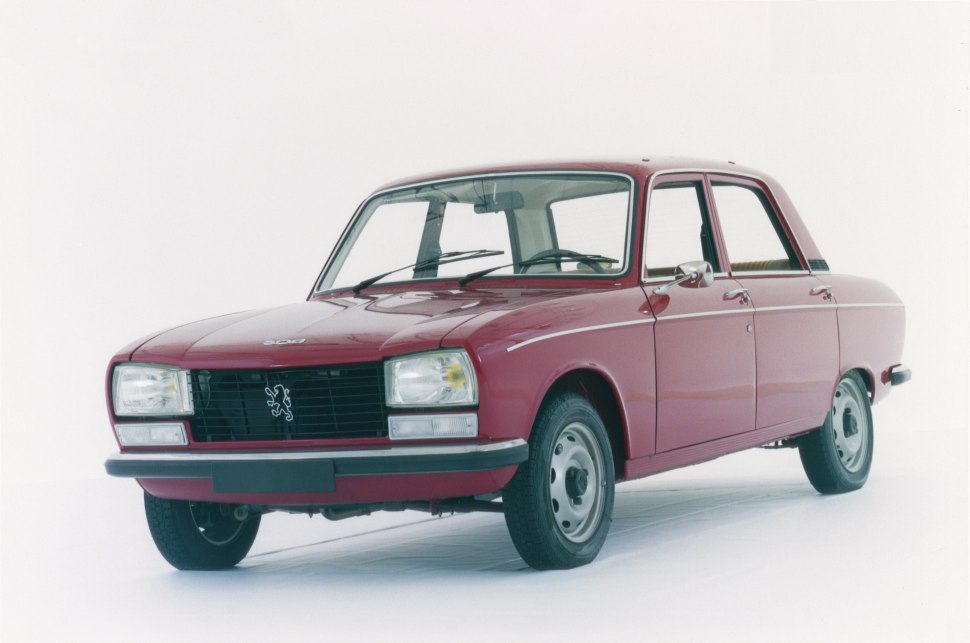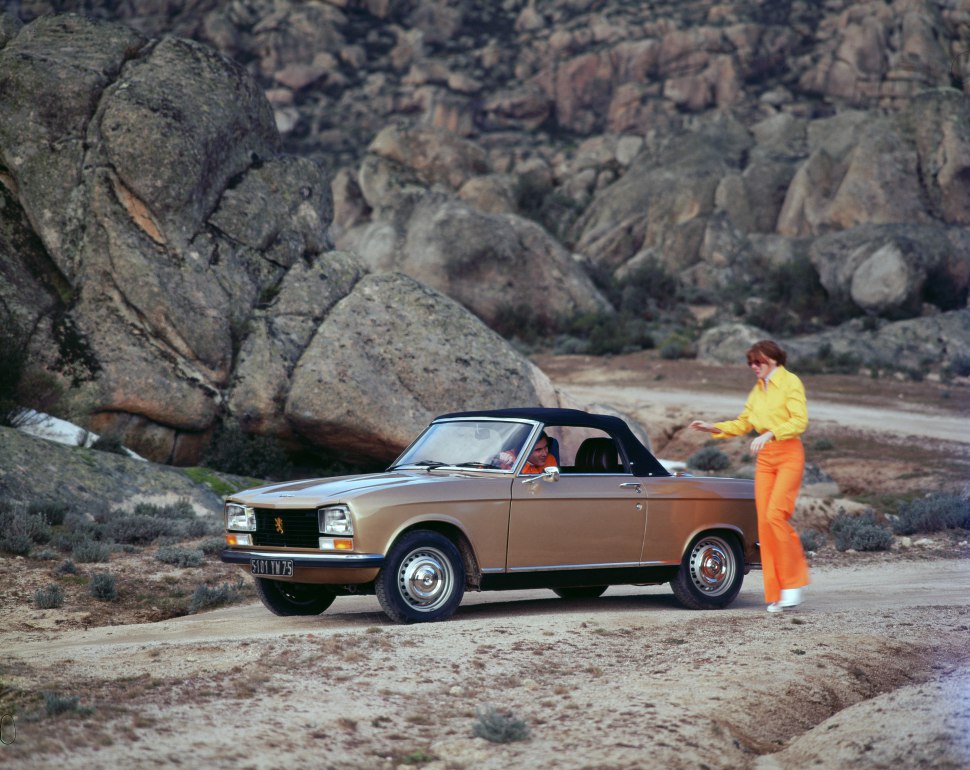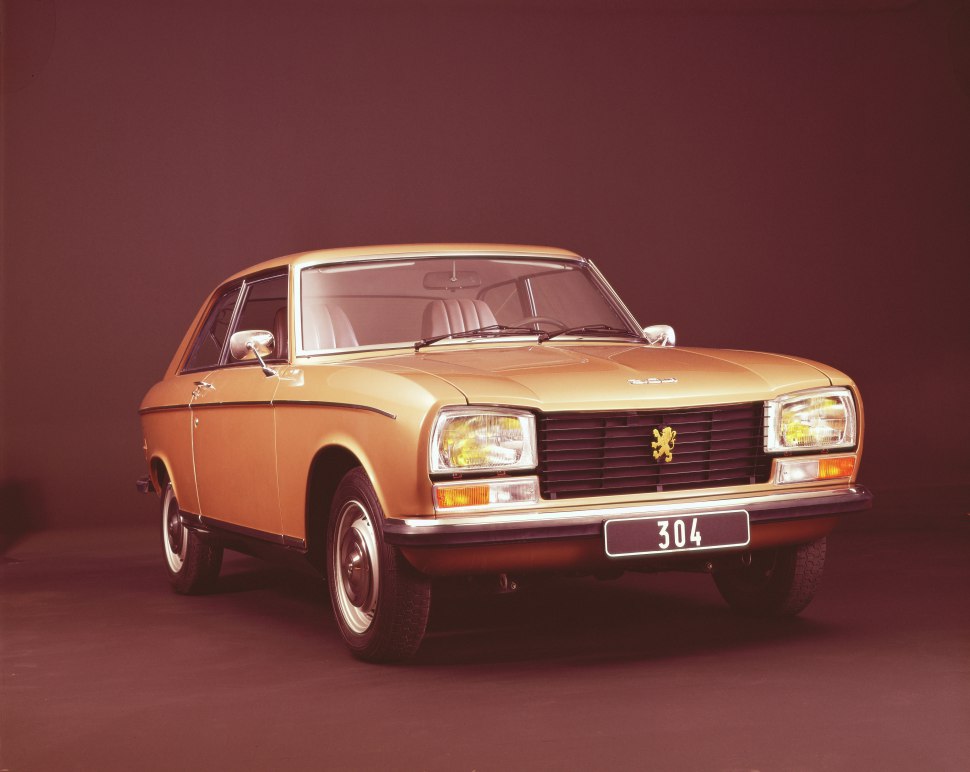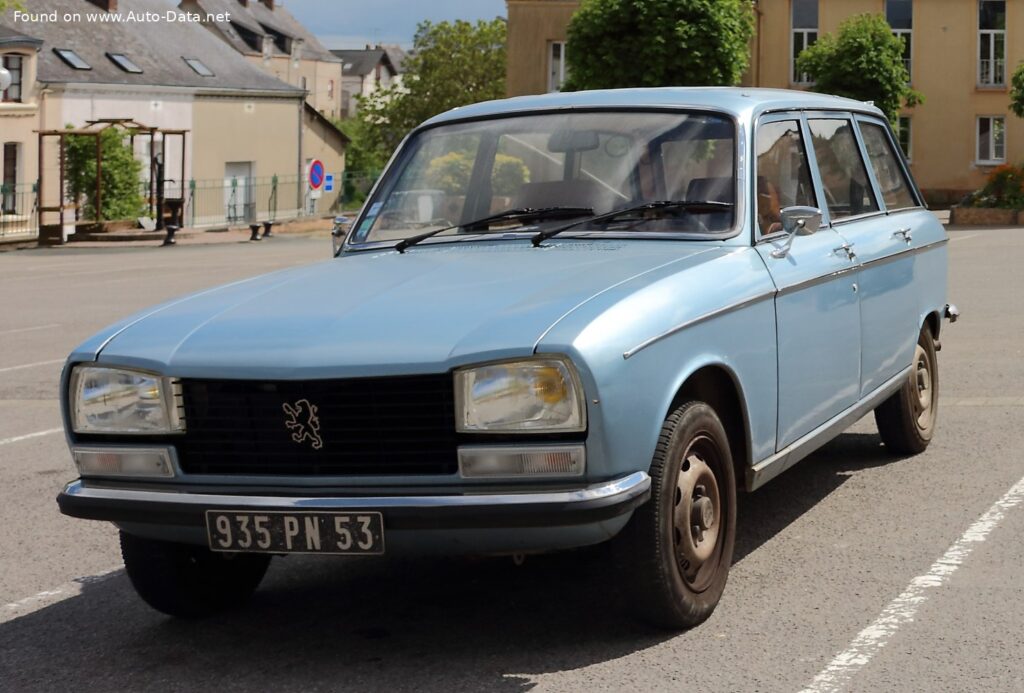
The Peugeot 304 Break, specifically the 1.3 (D01) variant producing 65 horsepower, is a notable example of Peugeot’s commitment to building practical and durable family vehicles. Introduced in 1970 as the station wagon version of the popular 304 sedan, this model served the competitive European compact car market for a decade, with production continuing until 1980. Based on the innovative front-wheel-drive platform of the smaller Peugeot 204, the 304 Break offered increased interior space and cargo capacity, making it a favored choice for families and small businesses throughout Europe. While never officially sold in the United States, the Peugeot 304 Break solidified Peugeot’s reputation for engineering practicality, durability, and a comfortable ride – qualities highly valued by European consumers.
Engineering and Performance of the Peugeot 304 Break
The Peugeot 304 Break 1.3 (D01) featured a straightforward and reliable powertrain. It was powered by a naturally aspirated 1.3-liter (1288 cc) gasoline engine, designated XL5 internally. This engine prioritized efficiency and dependability over outright speed, aligning perfectly with its role as a family vehicle. Producing 65 horsepower, the engine provided adequate performance for the era, allowing comfortable cruising on highways and easy navigation of urban environments. The engine’s design emphasized durability and ease of maintenance, contributing to the 304 Break’s long production run and continued presence on European roads.
Peugeot’s adoption of front-wheel drive for the 304 series, inherited from the 204, was a progressive move that maximized interior space and improved handling, particularly in challenging weather conditions. This powertrain architecture resulted in a lower floor height for easier loading and a more stable ride. While 65 horsepower may seem modest by modern standards, it was competitive for a compact station wagon in the 1970s, offering a balance of fuel economy and sufficient power for typical family needs. The engine’s simple, naturally aspirated design also meant fewer complex components, leading to lower ownership costs and easier repairs – a significant benefit for budget-conscious families. The engine oil capacity was 4 liters (4.23 US quarts), and the cooling system held 5.8 liters (6.13 US quarts) of coolant, demonstrating a well-engineered thermal management system for consistent performance.
Design and Features: A Practical European Estate
The Peugeot 304 Break exemplified the practical design philosophy common in European vehicles of its time. As a station wagon (known as an “estate” in Europe), its primary purpose was to provide superior cargo capacity and versatility compared to the sedan version. The body style featured an extended roofline and a large rear tailgate, offering easy access to a spacious cargo area. This design made the 304 Break a highly adaptable vehicle, capable of transporting groceries, luggage, or small furniture items.
Stylistically, the 304 Break shared many design elements with the 304 sedan, particularly from the B-pillar forward. It showcased Peugeot’s distinctive design language, characterized by clean lines, a relatively low beltline, and large windows for excellent visibility. The front end was sleek and understated, with rectangular headlights and a simple grille, reflecting the design trends of the early 1970s. The station wagon variant distinguished itself with its elongated rear section, seamlessly integrated into the overall design, avoiding the boxy appearance of some competitors. The interior was functional and ergonomic, prioritizing ease of use and comfort. While luxury features were limited, the cabin was designed to be durable and family-friendly, with robust upholstery and straightforward controls. Safety features, typical for the era, included a strong body structure and basic seatbelts, focusing on passive safety through structural integrity.
Technical Specifications: Peugeot 304 Break 1.3 (D01)
| Category | Specification |
| Brand | Peugeot |
| Model | 304 |
| Generation | 304 Break |
| Type (Engine) | 1.3 (D01) (65 Hp) |
| Start of Production | 1970 |
| End of Production | 1980 |
| Powertrain Architecture | Internal Combustion engine |
| Body Type | Station wagon (estate) |
| Fuel Type | Petrol (Gasoline) |
| Power | 65 Hp |
| Engine Model/Code | XL5 |
| Engine Aspiration | Naturally aspirated engine |
| Engine Oil Capacity | 4 l (4.23 US qt | 3.52 UK qt) |
| Coolant Capacity | 5.8 l (6.13 US qt | 5.1 UK qt) |
| Drivetrain | Front-wheel drive |
Legacy and Market Impact in Europe
The Peugeot 304 Break established a significant presence in the European automotive market of the 1970s. Its primary market was Europe, where it competed with other compact family station wagons from Renault (Renault 12 Break), Simca (Simca 1100 Break), Ford (Ford Escort Estate, Taunus/Cortina Estate), and Opel (Opel Kadett Caravan). The 304 Break stood out due to Peugeot’s reputation for building comfortable, durable, and reliable vehicles capable of handling diverse European road conditions and climates.
The car’s robust construction and practical design ensured a long service life, making it a common sight on European roads long after production ceased. Its front-wheel-drive layout, still relatively modern for family cars at the time, contributed to stable handling and efficient packaging, providing more usable interior space. This made the 304 Break an attractive option for families needing a versatile vehicle for daily commutes, school runs, and holiday trips.
Historically, the 304 Break bridged the gap between Peugeot’s smaller 204 series and its larger 404 and 504 models. It offered a compelling combination of compact dimensions and near-mid-size utility, appealing to many European buyers. Its legacy is that of a dependable, unpretentious workhorse embodying Peugeot’s commitment to practical engineering and comfortable motoring. Today, the Peugeot 304 Break is remembered by enthusiasts and former owners as a quintessential example of 1970s European automotive design and engineering, a testament to its lasting impact on the region’s automotive culture.