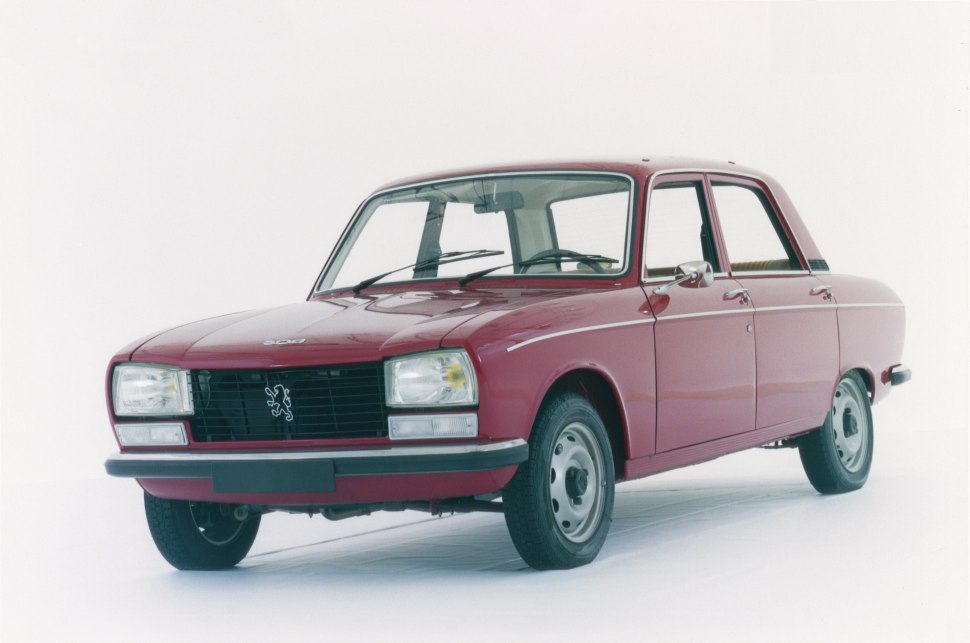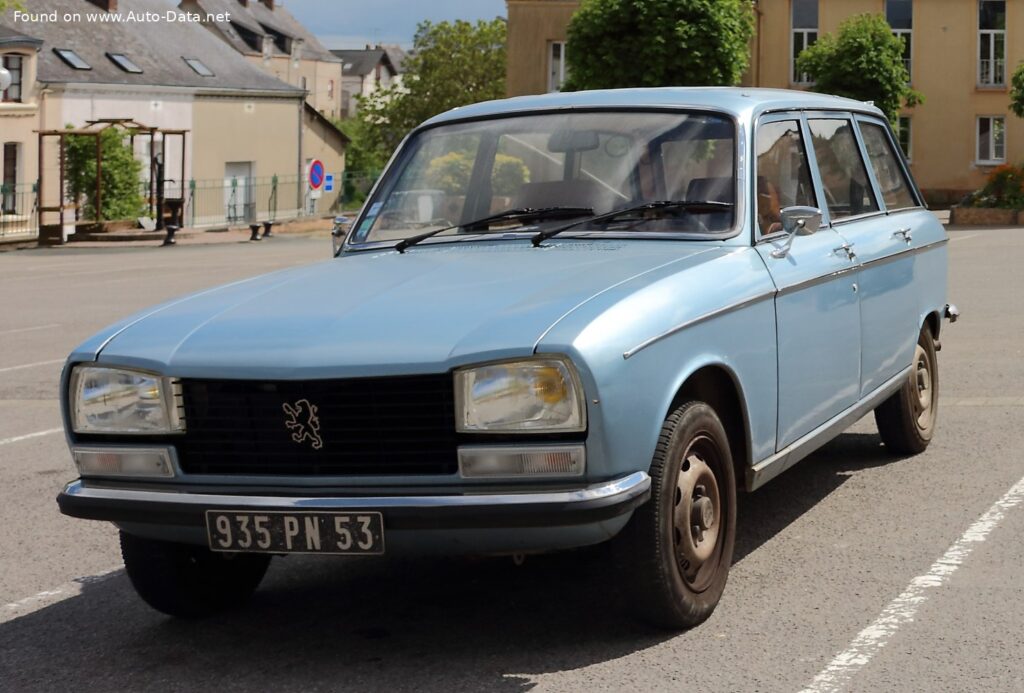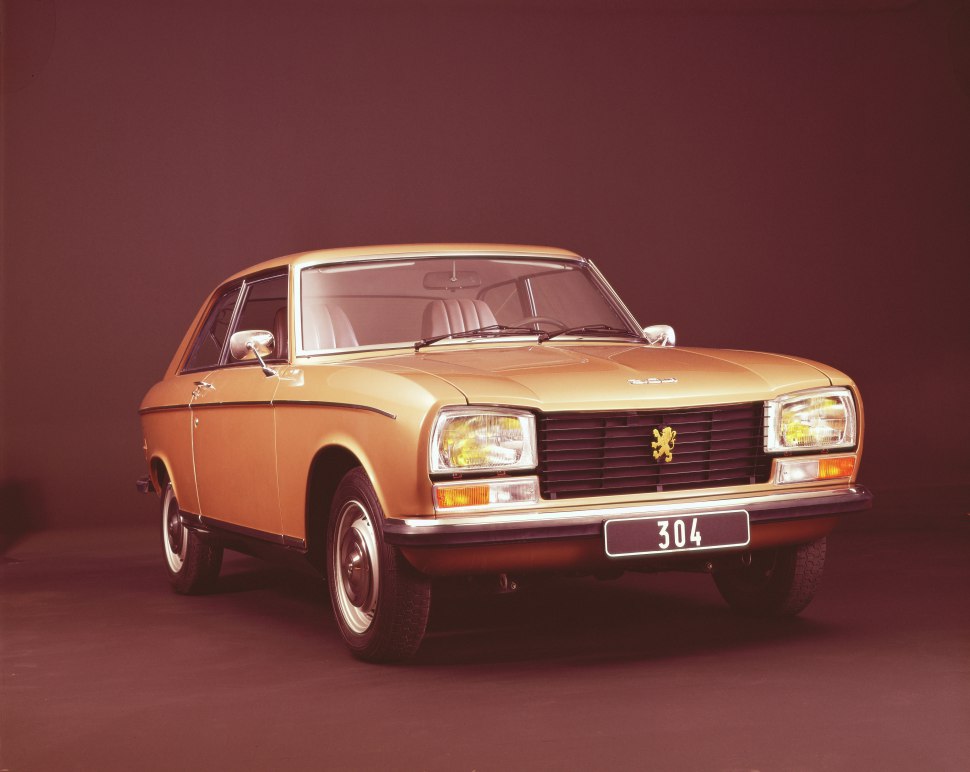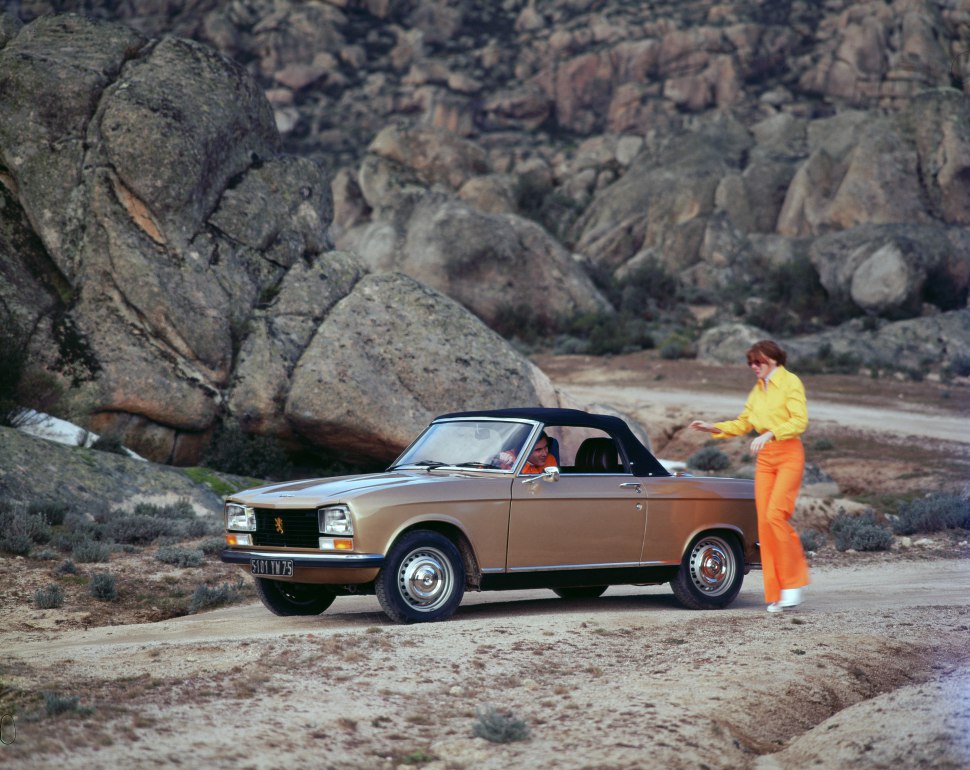
The Peugeot 304, launched in 1969, marked a pivotal moment for the French manufacturer, positioning itself in the burgeoning compact family car segment, above the smaller 204. While sedan and wagon models comprised the majority of production, the Peugeot 304 Cabrio 1.3 (B02), manufactured between 1972 and 1976, presented a more desirable and recreational option. This generation, identified by the 1.3-liter engine (B02 designation), embodied 1970s European automotive design, successfully blending practicality with open-air driving enjoyment. The 304 Cabrio was never officially offered for sale in the United States, but it played a significant role in Peugeot’s European sales, attracting buyers who desired a stylish, front-wheel-drive convertible as a more sophisticated alternative to more basic competitors. It demonstrated Peugeot’s engineering capabilities and dedication to offering a diverse range of body styles, reinforcing its reputation for comfortable and well-handling vehicles.
Engine & Performance: The Heart of the Peugeot 304 Cabrio 1.3 (B02)
The Peugeot 304 Cabrio 1.3 (B02) was powered by a naturally aspirated 1.3-liter (1288 cc) inline-four gasoline engine, designated XL3S. This engine produced 75 horsepower, a competitive output for a compact car of the period, especially considering the convertible body style, where outright performance often took a secondary role to the driving experience. The XL3S engine was part of Peugeot’s advanced X-series engine family, recognized for its compact dimensions and efficient operation.
The XL3S engine incorporated an overhead camshaft design, a relatively modern feature for the early 1970s, contributing to its smooth power delivery and reasonable fuel economy. Power was transmitted to the front wheels, a layout pioneered by Peugeot with the 204 and continued with the 304, providing improved traction and interior space compared to traditional rear-wheel-drive vehicles. While precise torque figures are unavailable, the 1.3-liter engine delivered sufficient low-end torque for urban driving and comfortable cruising on European roads, effectively utilizing the 75 horsepower.
The 304 Cabrio’s powertrain was a conventional internal combustion engine setup for the time. Its naturally aspirated design resulted in a linear power curve, avoiding the complexities and potential turbo lag associated with turbocharging, which was still in its early stages of development for passenger cars. The engine was designed for straightforward maintenance, with a coolant capacity of 5.8 liters (6.13 US quarts) and an engine oil capacity of 4 liters (4.23 US quarts), indicating a reliable and accessible mechanical package. This combination of a responsive engine and a well-engineered front-wheel-drive chassis ensured the 304 Cabrio offered an engaging and comfortable driving experience, ideal for weekend trips and scenic routes.
Design & Features: A Stylish Cabriolet
The Peugeot 304 Cabriolet’s styling drew heavily from the Pininfarina-designed 204 Coupe and Cabriolet, which also influenced the 304 sedan. However, the 304 Cabrio featured a slightly extended front end, differentiating it from the 204 and giving it a more substantial appearance. Its body style was a two-door cabriolet, designed for open-air driving. The design was characterized by clean lines, a relatively upright windshield, and a neatly folding soft top that could be retracted to create a true open-top experience.
The aesthetics of the 304 Cabrio were distinctly European, emphasizing elegant proportions and understated sophistication over ostentatious styling. Its compact size made it maneuverable in city environments, while its stylish appearance ensured it stood out. The interior featured a functional yet comfortable layout typical of Peugeot during this era. Materials were durable and designed for longevity, with seating providing reasonable comfort for longer journeys. While advanced safety features like airbags were still decades away, the 304 incorporated standard safety measures for its time, including seatbelts and a robust body structure. The appeal of the 304 Cabrio lay in its ability to combine the practicality of a compact car with the undeniable charm and sensory experience of open-top motoring, a feature highly valued in its primary European markets.
Technical Specifications: Peugeot 304 Cabrio 1.3 (B02) (75 Hp)
| Category | Specification |
| Brand | Peugeot |
| Model | 304 |
| Generation | 304 Cabrio |
| Type (Engine) | 1.3 (B02) (75 Hp) |
| Start of Production | 1972 |
| End of Production | 1976 |
| Powertrain Architecture | Internal Combustion engine |
| Body Type | Cabriolet |
| Fuel Type | Petrol (Gasoline) |
| Power | 75 Hp |
| Engine Model/Code | XL3S |
| Engine Aspiration | Naturally aspirated engine |
| Engine Oil Capacity | 4 l (4.23 US qt) |
| Coolant Capacity | 5.8 l (6.13 US qt) |
| Drivetrain | Front-Wheel Drive |
Legacy and Market Impact of the Peugeot 304 Cabrio
The Peugeot 304 Cabrio 1.3 (B02) occupies a noteworthy position in the history of European compact convertibles. While not a high-volume seller compared to its sedan counterparts, its existence demonstrated Peugeot’s commitment to offering a comprehensive range of body styles and catering to diverse consumer preferences. The 304 series, including the Cabriolet, was praised for its comfortable ride, excellent handling (thanks to its advanced front-wheel-drive system and independent suspension), and robust mechanical components. These qualities contributed to Peugeot’s reputation for building durable and reliable cars, often referred to as “French tanks” due to their perceived solidity.
In its primary European market, the 304 Cabrio competed with a variety of vehicles. Competitors included other compact European convertibles or open-top variants, such as the Fiat 124 Sport Spider (often positioned as a more premium and performance-oriented option), the Volkswagen Beetle Cabriolet (a more utilitarian and air-cooled alternative), and potentially smaller offerings from British manufacturers. The 304 distinguished itself with its modern front-wheel-drive platform, comfortable interior, and uniquely French styling. It offered a compelling balance of everyday usability and weekend enjoyment, without the high price tag of more exotic sports cars.
The 304 Cabrio’s historical significance lies in its contribution to Peugeot’s modern era. It continued the tradition of stylish and well-engineered compact cars that began with the 204, further solidifying Peugeot’s identity as an innovator in the European automotive landscape. Its front-wheel-drive layout, combined with a transversely mounted engine, was a configuration that would become standard across much of the industry in subsequent decades. While it never achieved the iconic status of some of its more powerful or mass-produced contemporaries, the 304 Cabrio remains a cherished classic among enthusiasts, appreciated for its elegant design, enjoyable driving dynamics, and its role in an era when open-top motoring was a more accessible pleasure. Today, surviving examples are sought after for their classic charm and the unique experience they offer, representing a nostalgic glimpse into 1970s European automotive culture.