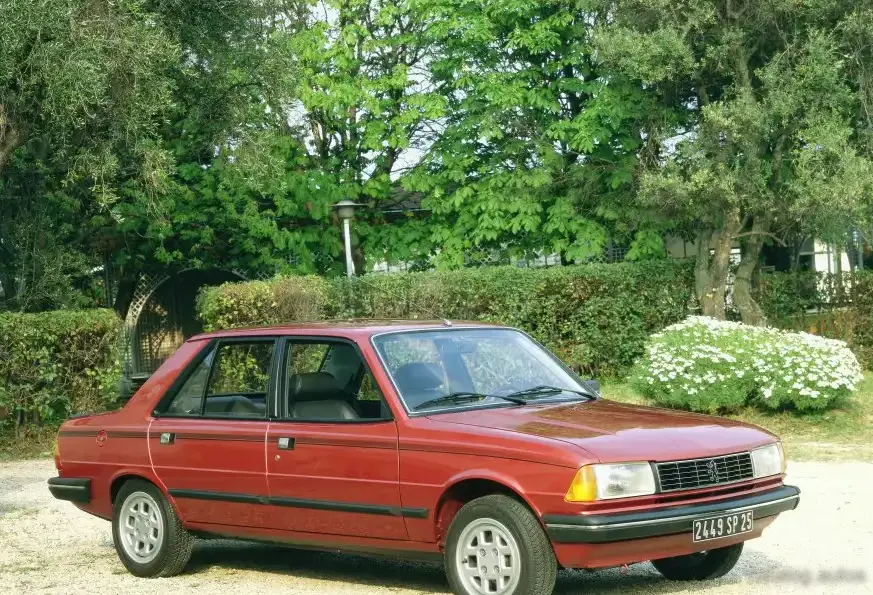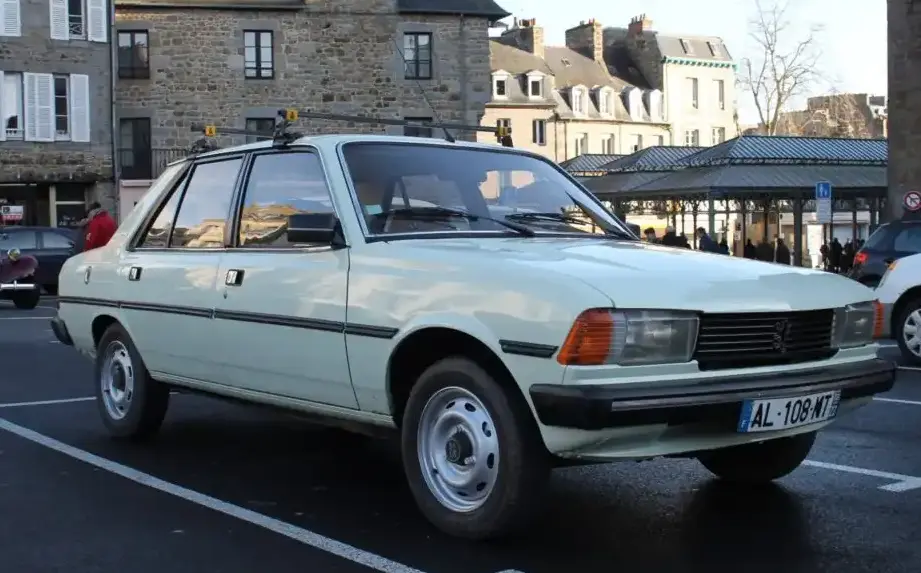
The Peugeot 305 I (581A) 1.5 Diesel, produced between 1977 and 1982, represented a significant step forward for Peugeot in the compact family car segment. Positioned as the entry-level diesel variant within the initial 305 range, it aimed to provide economical transportation for a broad customer base, particularly in Europe where diesel fuel was becoming increasingly popular. The 305 itself was Peugeot’s replacement for the aging 304, offering a more modern design and improved practicality. This specific 1.5-liter diesel model, developing 49 horsepower, was designed for fuel efficiency and durability rather than outright performance, catering to drivers prioritizing economy and reliability.
Technical Specifications
| Brand | Peugeot |
| Model | 305 |
| Generation | 305 I (581A) |
| Type (Engine) | 1.5 Diesel (49 Hp) |
| Start of production | 1977 |
| End of production | 1982 |
| Powertrain Architecture | Internal Combustion engine |
| Body type | Sedan |
| Fuel Type | Diesel |
| Power | 49 Hp |
| Engine Model/Code | 149 XID |
| Engine aspiration | Naturally aspirated engine |
| Engine oil capacity | 5 l (5.28 US qt | 4.4 UK qt) |
| Coolant capacity | 8.2 l (8.66 US qt | 7.21 UK qt) |
Powertrain & Engine Architecture
The heart of the 305 I 1.5 Diesel was the 149 XID engine, a 1.5-liter inline-four diesel. This engine was a naturally aspirated, indirect injection diesel, a common configuration for the time. Indirect injection, utilizing a pre-chamber, allowed for quieter operation and easier starting compared to direct injection systems, although at the cost of some efficiency. The engine featured a robust cast iron block and head, designed for longevity. The valvetrain employed a single overhead camshaft operating two valves per cylinder. Fuel injection was mechanically controlled by a Bosch rotary injection pump, a reliable system known for its durability. While 49 horsepower might seem modest by modern standards, it was considered adequate for the 305’s weight and intended purpose. The engine’s torque output, though not officially published in all markets, was sufficient for relaxed cruising and hauling moderate loads. The transmission paired with this engine was typically a four-speed manual, although a three-speed automatic was also available, albeit less common. The automatic transmission was a conventional hydraulic torque converter type, prioritizing smoothness over outright performance.
Driving Characteristics
The 305 I 1.5 Diesel, particularly in its base specification, was not designed for spirited driving. Acceleration was leisurely, and the engine required careful gear selection to maintain momentum, especially when laden with passengers or cargo. The four-speed manual transmission offered a reasonable spread of ratios, but the engine’s narrow power band meant frequent shifting was necessary. The automatic transmission, while providing convenience, further diminished acceleration and responsiveness. The suspension, tuned for comfort, provided a relatively smooth ride, absorbing bumps and imperfections in the road surface effectively. However, this came at the expense of handling sharpness. Steering was light and easy, making the car maneuverable in urban environments, but lacking in feedback. Compared to the gasoline-powered 305 variants, the diesel offered significantly better fuel economy, a major selling point for many buyers. The diesel’s torque characteristics also made it more capable of handling inclines and towing light trailers.
Equipment & Trim Levels
The 305 I 1.5 Diesel, as the entry-level model, typically featured a relatively basic level of equipment. Standard features generally included cloth upholstery, vinyl floor coverings, and a simple dashboard layout. The instrumentation was limited to a speedometer, fuel gauge, and coolant temperature indicator. Heating and ventilation were standard, but air conditioning was usually an optional extra. Exterior features included steel wheels with hubcaps, black plastic bumpers, and chrome trim. Higher trim levels, such as the GR (Grand Répertoire) and GL (Grand Luxe), offered additional features like upgraded upholstery, more comprehensive instrumentation, and exterior enhancements like alloy wheels and additional chrome trim. Optional extras available for the 1.5 Diesel included a sunroof, radio, and upgraded sound system.
Chassis & Braking
The 305 I utilized a conventional front-engine, front-wheel-drive layout. The chassis consisted of a monocoque body shell providing structural rigidity. The front suspension employed independent MacPherson struts with torsion bars, while the rear suspension utilized a twist-beam axle with trailing arms. Braking was initially provided by front disc brakes and rear drum brakes. Later models often featured disc brakes all around, offering improved stopping power. The steering system was a rack-and-pinion type, providing relatively light and precise steering. Stabilizer bars were typically fitted to the front suspension to reduce body roll during cornering. The braking system, while adequate for the car’s performance, lacked the sophistication of more modern systems.
Market Reception & Comparison
The Peugeot 305 I 1.5 Diesel was generally well-received in the European market, particularly by buyers seeking an economical and reliable family car. Critics praised its fuel efficiency and durability, but noted its lack of performance. Compared to the gasoline-powered 305 variants, the diesel offered significantly better fuel economy but slower acceleration. The 1.5 Diesel was also often compared to other diesel-powered compact cars of the era, such as the Renault 12 Diesel and the Fiat Regata Diesel. The Peugeot generally offered a more refined driving experience and a more modern interior compared to its competitors. Reliability was generally good, although the diesel injection pump required periodic maintenance. The automatic transmission, while convenient, was often criticized for its sluggishness and reduced fuel economy.
Legacy
The Peugeot 305 I 1.5 Diesel, while not a performance icon, played a significant role in popularizing diesel engines in the compact car segment. Its robust engine and durable construction ensured a long service life for many vehicles. Today, the 305 I 1.5 Diesel is a relatively rare sight on the roads, but it remains a popular choice among classic car enthusiasts seeking a simple, reliable, and economical vintage vehicle. The 149 XID engine, while aging, is still known for its durability and relatively straightforward maintenance. Parts availability can be a challenge, but many components are still available through specialist suppliers. The 305 I 1.5 Diesel represents a pivotal moment in Peugeot’s history, marking a transition towards more modern and efficient automotive technology.