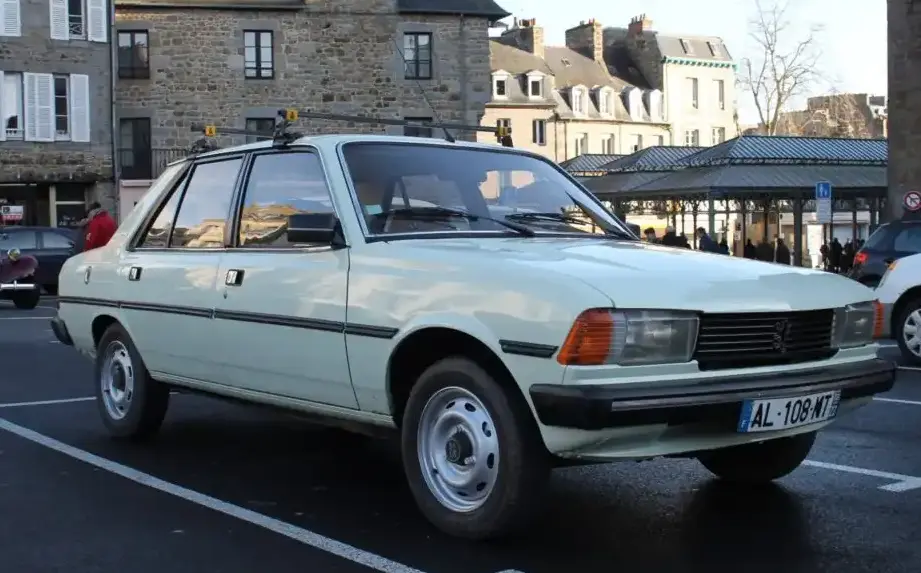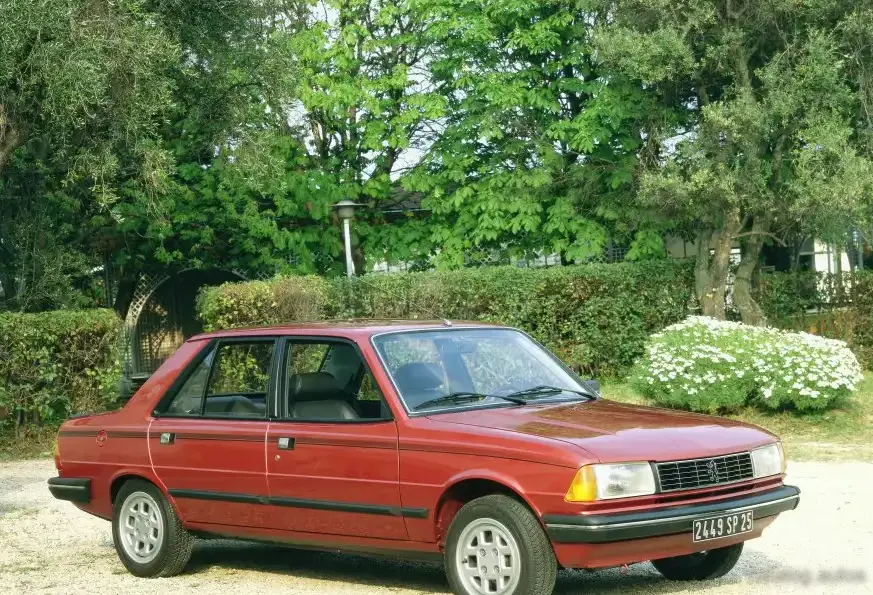
The Peugeot 305 II (581M) 1.5, produced between 1985 and 1990, represented a significant evolution of Peugeot’s compact family car line. Positioned as an entry-level offering within the 305 range, it aimed to provide affordable and reliable transportation during a period of increasing fuel costs and economic uncertainty. This variant, powered by the 142 XR5A engine, served as a practical and economical choice for buyers prioritizing fuel efficiency over outright performance. It built upon the foundation laid by the original 305, addressing some of its shortcomings while maintaining the core values of comfort and practicality. The 305 II, and specifically this 1.5-liter version, played a crucial role in solidifying Peugeot’s presence in the European compact car market.
Technical Specifications
| Brand | Peugeot |
| Model | 305 |
| Generation | 305 II (581M) |
| Type (Engine) | 1.5 (68 Hp) |
| Start of production | 1985 |
| End of production | 1990 |
| Powertrain Architecture | Internal Combustion engine |
| Body type | Sedan |
| Fuel Type | Petrol (Gasoline) |
| Power | 68 Hp |
| Engine Model/Code | 142 XR5A |
| Engine aspiration | Naturally aspirated engine |
| Engine oil capacity | 4 l (4.23 US qt | 3.52 UK qt) |
| Coolant capacity | 6 l (6.34 US qt | 5.28 UK qt) |
Powertrain & Engine Architecture
The heart of the 305 II 1.5 was the 142 XR5A engine, a 1.5-liter (1477 cc) inline-four cylinder petrol engine. This engine was a relatively simple design, featuring a single overhead camshaft (SOHC) operating two valves per cylinder. Fuel delivery was managed by a single, down-draft carburetor – a common setup for vehicles of this era aiming for affordability. The carburetor, while less precise than fuel injection, contributed to the engine’s simplicity and ease of maintenance. The engine’s modest 68 horsepower output at 5,600 rpm and 98 lb-ft of torque at 3,500 rpm were geared towards providing adequate performance for everyday driving rather than spirited acceleration. The engine block was cast iron, known for its durability, while the cylinder head was aluminum, helping to reduce weight. The transmission paired with this engine was typically a three-speed automatic, although a four-speed manual was also available. The automatic transmission, while offering convenience, did impact the car’s acceleration and fuel economy compared to the manual version.
Driving Characteristics
The 305 II 1.5 with the automatic transmission offered a comfortable, if unhurried, driving experience. Acceleration was adequate for merging onto highways and navigating city streets, but it wasn’t designed for quick overtaking maneuvers. The three-speed automatic transmission had relatively widely spaced gear ratios, which meant the engine often operated at higher RPMs during cruising, impacting fuel economy. The automatic transmission’s shift points were calibrated for smooth operation and fuel efficiency, prioritizing comfort over sporty responsiveness. Compared to the 1.6-liter and 1.9-liter versions of the 305, the 1.5 automatic was noticeably slower. The manual transmission versions of the 1.5 offered better acceleration and fuel economy, appealing to drivers who preferred more control. The car’s suspension, while comfortable, wasn’t particularly sporty, resulting in some body roll during cornering. Overall, the driving experience was geared towards practicality and ease of use.
Equipment & Trim Levels
The 305 II 1.5 typically represented the base trim level. Standard equipment included cloth upholstery, basic instrumentation (speedometer, fuel gauge, temperature gauge), and a simple two-spoke steering wheel. The interior was functional and durable, prioritizing practicality over luxury. Optional extras included a radio, upgraded upholstery, and a sunroof. The exterior featured steel wheels with hubcaps, black plastic bumpers, and relatively simple trim. The 305 II 1.5 was designed to be an affordable and accessible vehicle, so it lacked many of the luxury features found on higher-end trims. The dashboard layout was straightforward and easy to use, with all essential controls within easy reach of the driver.
Chassis & Braking
The 305 II utilized a relatively conventional chassis design. It featured independent front suspension with MacPherson struts and a torsion beam rear suspension. This setup provided a comfortable ride, but wasn’t particularly sophisticated. The braking system consisted of disc brakes on the front wheels and drum brakes on the rear wheels. This configuration was common for vehicles in this price range during the 1980s. Steering was rack and pinion, providing reasonably precise control. The car’s relatively light weight (around 2,300 lbs) helped to offset the limitations of the braking system. Stabilizer bars were typically fitted to the front suspension to reduce body roll, but were not always standard on the base 1.5 trim.
Market Reception & Comparison
The Peugeot 305 II 1.5 was generally well-received as an affordable and reliable family car. Critics praised its comfortable ride and practical interior, but noted its lack of performance. Compared to rivals like the Renault 9 and Citroën BX, the 305 II 1.5 offered a similar level of practicality and affordability. However, some competitors offered more modern features or more powerful engines. Fuel economy was a key selling point for the 1.5-liter version, particularly during a period of rising fuel prices. The automatic transmission, while convenient, was often criticized for its sluggish performance and impact on fuel economy. The 1.6-liter and 1.9-liter versions of the 305 offered significantly better performance, but came at a higher price point. The 1.5 automatic appealed to buyers who prioritized comfort and affordability over sporty driving dynamics.
Legacy
The Peugeot 305 II 1.5, while not a performance icon, remains a fondly remembered car for its reliability and practicality. The 142 XR5A engine, while simple, proved to be durable and relatively easy to maintain. Today, finding a well-maintained example can be challenging, but they are still occasionally seen on the roads. The car’s simple mechanical design makes it relatively easy for home mechanics to work on. In the used car market, the 305 II 1.5 is typically valued for its affordability and classic appeal. It represents a snapshot of 1980s automotive engineering, prioritizing practicality and fuel efficiency over outright performance. The 305 II, and this 1.5 variant in particular, helped to establish Peugeot as a respected manufacturer of reliable and affordable family cars.