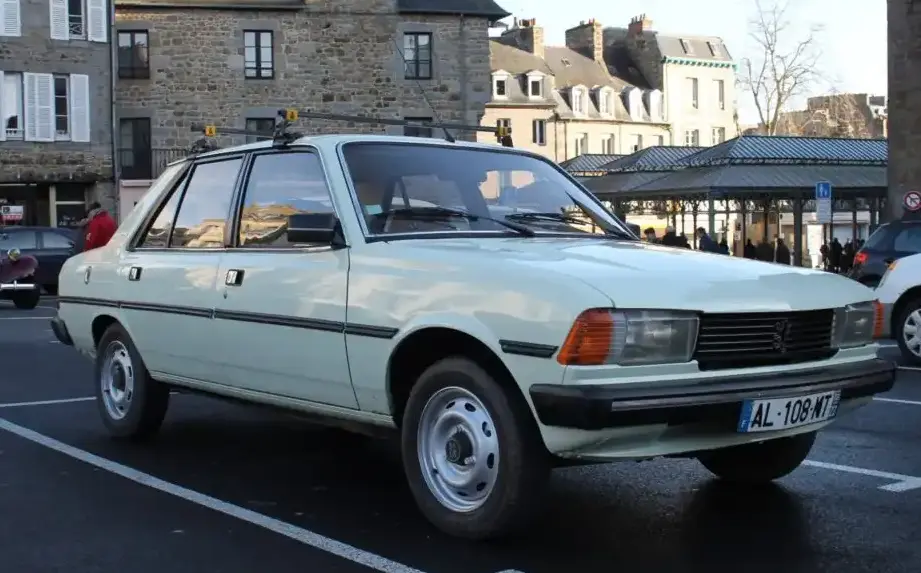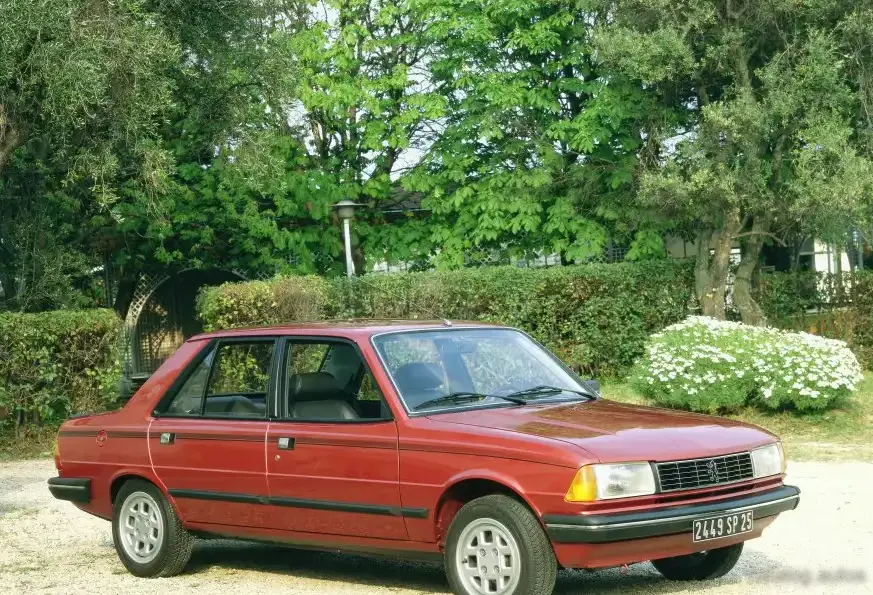
The Peugeot 305 II (581M) 1.9, produced between 1982 and 1985, represented a significant step forward for Peugeot in the compact family car segment. Positioned as a mid-range offering within the 305 lineup, it bridged the gap between the more economical, lower-powered versions and the top-of-the-line models. The 305 II, an evolution of the original 305 launched in 1977, aimed to provide a blend of comfort, practicality, and reasonable performance for the European market. This variant, with its 1.9-liter engine producing 102 horsepower, was designed to appeal to buyers seeking a more refined driving experience than the base models offered, while remaining a sensible and affordable option.
Technical Specifications
| Brand | Peugeot |
| Model | 305 |
| Generation | 305 II (581M) |
| Type (Engine) | 1.9 (102 Hp) |
| Start of production | 1982 |
| End of production | 1985 |
| Powertrain Architecture | Internal Combustion engine |
| Body type | Sedan |
| Fuel Type | Petrol (Gasoline) |
| Power | 102 Hp |
| Engine Model/Code | 159 XU9S |
| Engine aspiration | Naturally aspirated engine |
| Engine oil capacity | 5 l (5.28 US qt | 4.4 UK qt) |
| Coolant capacity | 6.5 l (6.87 US qt | 5.72 UK qt) |
Powertrain & Engine Architecture
The heart of the 305 II 1.9 was the XU9S engine, a 1.9-liter, inline-four cylinder petrol engine. This engine, designated as 159 XU9S, was a key component of Peugeot’s engine family during the early 1980s. It featured a cast iron block and an aluminum cylinder head, a common configuration for durability and weight reduction. The XU9S utilized a single overhead camshaft (SOHC) valvetrain, operating two valves per cylinder. Fuel delivery was managed by a Bosch mechanical fuel injection system, a step up from the carburetors found in the lower-spec 305 models. This injection system improved fuel efficiency and provided more consistent performance. The engine’s 102 horsepower output was achieved at 6,000 rpm, with a torque figure of approximately 138 Nm (102 lb-ft) at 4,000 rpm. While not a high-revving engine, it provided adequate power for comfortable cruising and overtaking. The transmission paired with this engine was typically a four-speed manual, but a three-speed automatic transmission was also available, though less common. The automatic transmission, while offering convenience, did impact acceleration and fuel economy.
Driving Characteristics
The 305 II 1.9 offered a comfortable and composed driving experience, particularly when equipped with the manual transmission. The engine provided sufficient power for everyday driving, with a noticeable improvement in acceleration compared to the smaller 1.6-liter versions. The four-speed manual gearbox was well-matched to the engine’s characteristics, allowing for smooth gear changes and effective use of the available power. The automatic transmission, while convenient, resulted in a more sluggish feel. Gear ratios were optimized for fuel economy rather than outright performance. The 305’s suspension, featuring independent front suspension with MacPherson struts and a torsion beam rear axle, provided a good balance between ride comfort and handling. Steering was rack and pinion, offering precise control. Compared to the higher-performance 305 GTI, the 1.9 was noticeably less sporty, but it excelled as a practical and comfortable family saloon.
Equipment & Trim Levels
The 305 II 1.9 typically came equipped with a reasonable level of standard features for its time. Interior upholstery was generally cloth, with options for upgraded materials available. The dashboard layout was functional and straightforward, with clearly marked gauges. Standard equipment included power-assisted steering, a four-speed heater/demister, and basic instrumentation. Optional extras included a sunroof, upgraded audio systems, and central locking. Trim levels varied depending on the market, but generally, the 1.9 model sat in the mid-range, offering more features than the base models but lacking the sporty enhancements of the GTI. The interior was designed with practicality in mind, offering ample space for passengers and luggage.
Chassis & Braking
The 305 II utilized a monocoque chassis construction, providing a good level of structural rigidity. The front suspension employed MacPherson struts with anti-roll bar, while the rear suspension featured a torsion beam axle. This setup provided a comfortable ride and predictable handling. Braking systems varied depending on the year and market. Earlier models often featured disc brakes on the front wheels and drum brakes on the rear. Later models, and those equipped with higher trim levels, often received disc brakes all around. The braking system was generally adequate for the car’s weight and performance, but lacked the sophistication of more modern systems. Stabilizer bar thickness was moderate, contributing to the car’s balanced handling characteristics.
Market Reception & Comparison
The Peugeot 305 II 1.9 was generally well-received by automotive critics as a practical and comfortable family car. It was praised for its refined engine, comfortable ride, and reasonable fuel economy. However, some critics noted that the automatic transmission detracted from the driving experience. Compared to its rivals, such as the Ford Sierra and Vauxhall Cavalier, the 305 offered a more sophisticated and stylish design. Within the 305 lineup, the 1.9 model offered a compelling alternative to the base 1.6-liter versions, providing a noticeable increase in performance without the higher cost of the GTI. Fuel economy was respectable for the time, averaging around 30-35 mpg depending on driving conditions. Reliability was generally good, although the Bosch fuel injection system could require occasional maintenance.
Legacy
The Peugeot 305 II 1.9, while not a particularly rare or collectible model today, remains a popular choice among classic car enthusiasts. The XU9S engine is known for its durability and relatively simple maintenance requirements. Finding well-maintained examples can be challenging, as many have succumbed to rust or neglect. However, parts availability is generally good, and the car’s relatively straightforward mechanical design makes it accessible to home mechanics. The 305 II 1.9 represents a significant chapter in Peugeot’s history, showcasing the company’s commitment to building comfortable, practical, and reliable family cars. In the used car market, prices for well-preserved examples range from a few thousand dollars to upwards of $10,000, depending on condition and originality. The car’s enduring appeal lies in its blend of classic French styling, comfortable driving experience, and relatively affordable ownership costs.