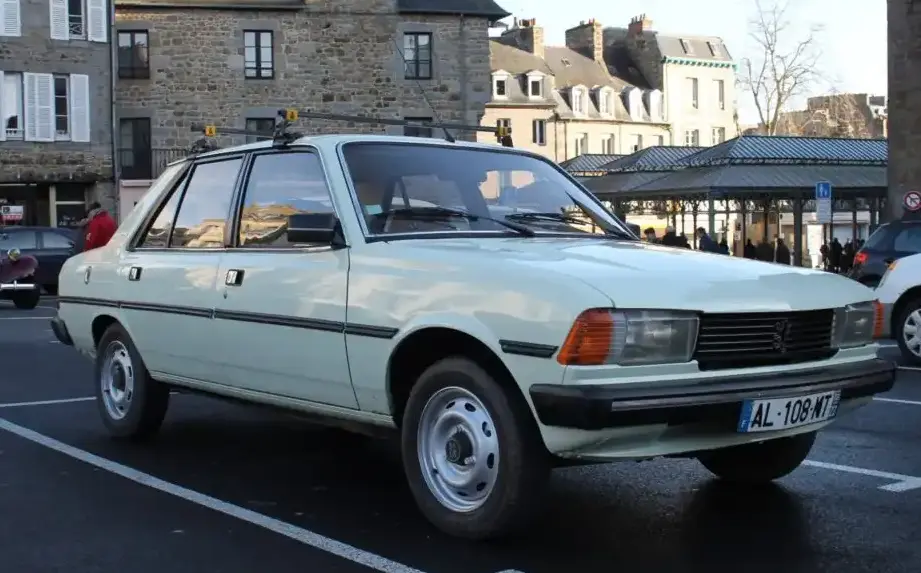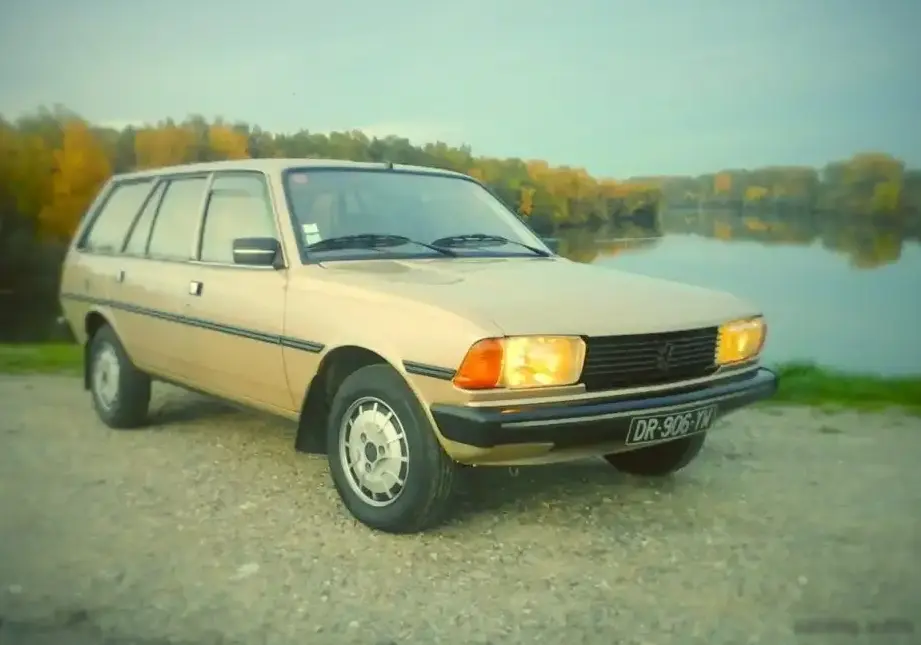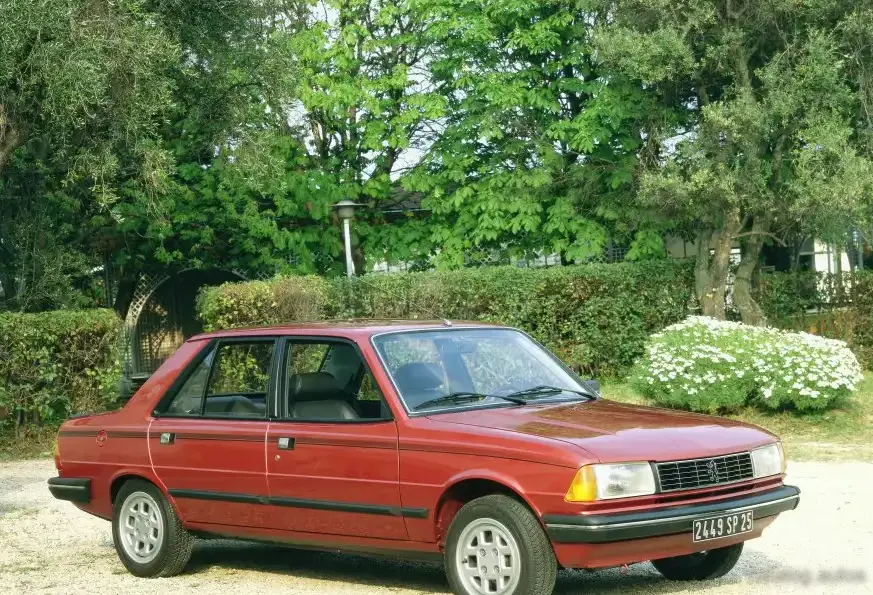
The Peugeot 305 II (581M) 1.9, produced between 1986 and 1988, represented a mid-cycle refresh of Peugeot’s popular compact sedan. Positioned as a practical and relatively affordable option within the 305 range, this variant offered a balance between performance and fuel economy. It sat in the middle of the 305 lineup, offering more power than the base 1.6-liter models but remaining more accessible than the higher-specification diesel or later 2.0-liter gasoline versions. The 305 II, as a whole, aimed to address some of the criticisms leveled at the original 305, improving refinement and addressing build quality concerns. This particular 1.9-liter version was primarily aimed at the European market, where fuel efficiency and moderate power were highly valued.
Technical Specifications
| Brand | Peugeot |
| Model | 305 |
| Generation | 305 II (581M) |
| Type (Engine) | 1.9 (98 Hp) |
| Start of Production | 1986 |
| End of Production | 1988 |
| Powertrain Architecture | Internal Combustion Engine |
| Body Type | Sedan |
| Fuel Type | Petrol (Gasoline) |
| Power | 98 Hp |
| Engine Model/Code | DFZ XU9J1 |
| Engine Aspiration | Naturally Aspirated |
Powertrain & Engine Architecture
The heart of the 305 II 1.9 was the DFZ XU9J1 engine, a 1.9-liter inline-four cylinder gasoline engine. This engine was part of Peugeot’s XU series, known for its robustness and relatively simple design. The XU9J1 featured a cast iron block and an aluminum cylinder head, a common configuration for engines of this era. It employed a single overhead camshaft (SOHC) valvetrain, operating two valves per cylinder. Fuel delivery was managed by a Bosch mechanical fuel injection system, a step up from the carburetors used in earlier 305 models, improving fuel efficiency and reducing emissions. The engine produced 98 horsepower (metric, approximately 95 bhp) at 5,500 rpm and 132 Nm (97 lb-ft) of torque at 3,500 rpm.
The 305 II 1.9 was typically paired with a three-speed automatic transmission. This transmission, while providing convenience, was not known for its performance or efficiency. It was a relatively simple automatic, lacking the sophistication of more modern units. The gear ratios were geared towards economy rather than acceleration, prioritizing smooth cruising over spirited driving. Manual transmission options were also available in the 305 range, offering a more engaging driving experience and improved fuel economy.
Driving Characteristics
The driving experience in the 305 II 1.9 with the automatic transmission was characterized by smooth, if somewhat leisurely, progress. Acceleration was adequate for everyday driving, but overtaking maneuvers required careful planning. The three-speed automatic transmission meant that the engine often operated at higher revs during highway cruising, contributing to noticeable engine noise. Compared to the five-speed manual versions, the automatic 1.9 felt noticeably slower, particularly in the mid-range. The automatic transmission also diminished fuel economy compared to the manual counterpart. The steering was light and relatively precise, typical of Peugeot’s designs, and the suspension provided a comfortable ride, absorbing bumps and imperfections in the road surface reasonably well. However, the car wasn’t particularly sporty in its handling, exhibiting noticeable body roll during cornering.
Equipment & Trim Levels
The 305 II 1.9 typically came equipped with a reasonable level of standard features for its time and price point. Interior upholstery was generally cloth, with options for upgraded materials available. The dashboard layout was functional and straightforward, with clearly labeled controls. Standard equipment included power-assisted steering, a basic stereo system, and front disc brakes. Optional extras included a sunroof, upgraded upholstery, and central locking. The trim level of the 1.9 often fell between the base models and the more luxurious trims, offering a good balance of features and affordability. The interior plastics, while durable, were not particularly luxurious, reflecting the car’s overall price positioning.
Chassis & Braking
The 305 II utilized a relatively conventional chassis design, with a MacPherson strut front suspension and a torsion beam rear suspension. This setup provided a good compromise between ride comfort and handling. The front suspension incorporated anti-roll bar to reduce body roll. Braking was provided by disc brakes on the front wheels and drum brakes on the rear wheels. This configuration was common for cars in this class during the 1980s. The braking system was adequate for normal driving conditions, but lacked the stopping power of more modern systems. The steering was a rack-and-pinion system, providing precise and responsive steering feel.
Market Reception & Comparison
The Peugeot 305 II 1.9 was generally well-received by automotive critics as a practical and reliable family sedan. It was praised for its comfortable ride, fuel efficiency, and robust engine. However, the automatic transmission was often criticized for its lack of responsiveness and its impact on fuel economy. Compared to other cars in its class, such as the Ford Escort or the Volkswagen Jetta, the 305 II 1.9 offered a slightly more refined driving experience and a more distinctive styling. The 1.6-liter versions of the 305 were more affordable but lacked the power of the 1.9, while the diesel models offered better fuel economy but were slower and noisier. The later 2.0-liter gasoline versions provided more performance but came at a higher price.
Legacy
The Peugeot 305, and specifically the 1.9 variant, has developed a reputation for reliability and durability. The XU9J1 engine is known to be a robust unit, capable of high mileage with proper maintenance. Today, the 305 II 1.9 is a relatively rare sight on the roads, but those that remain are often well-maintained by enthusiasts. Parts availability can be a challenge, but many components are still available through specialist suppliers. The car represents a significant chapter in Peugeot’s history, showcasing the company’s commitment to building practical, reliable, and stylish family cars. The 305 paved the way for the successful 405 model, which continued Peugeot’s tradition of producing high-quality sedans. The automatic transmission, while not a highlight, remains functional in many surviving examples, and the car continues to offer a unique and charming driving experience for those seeking a classic European sedan.