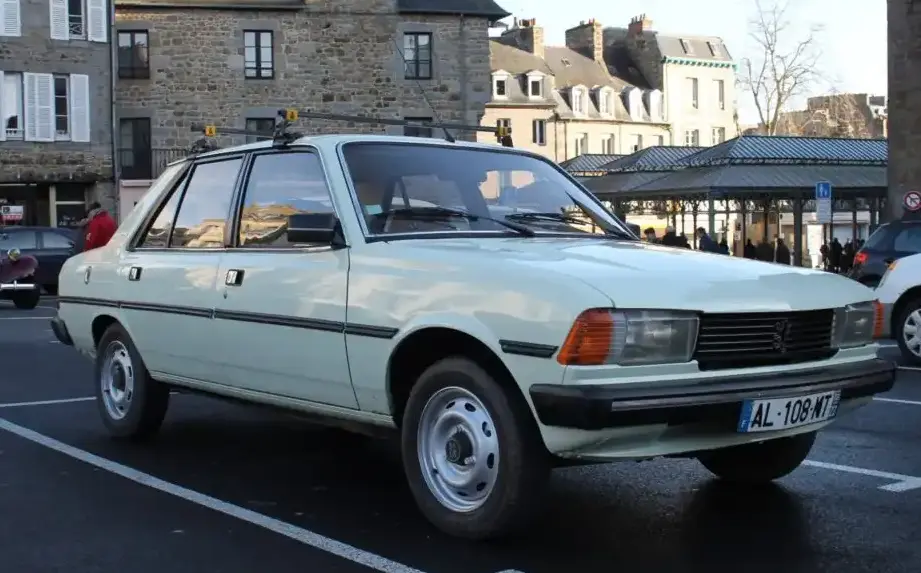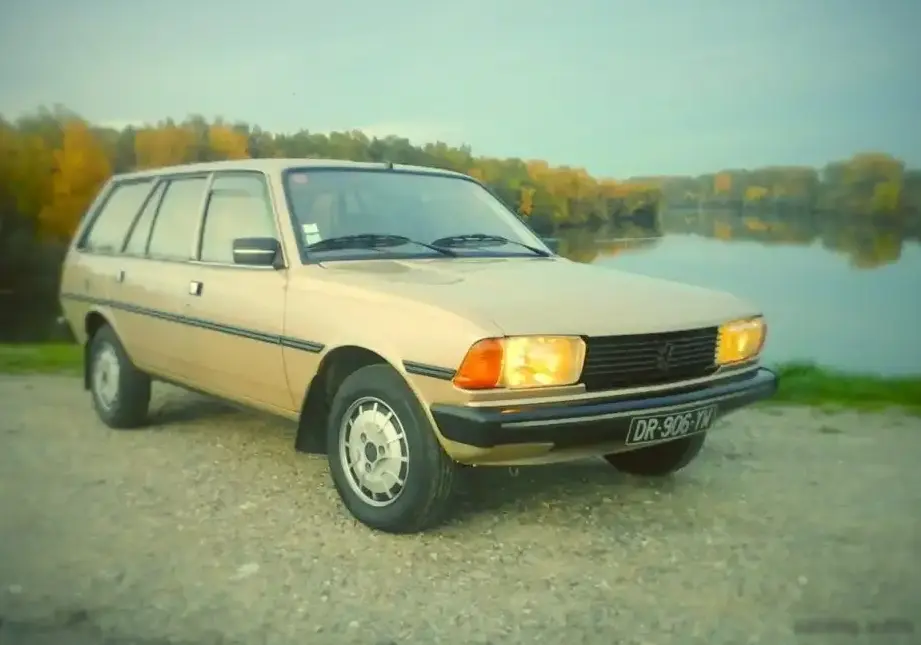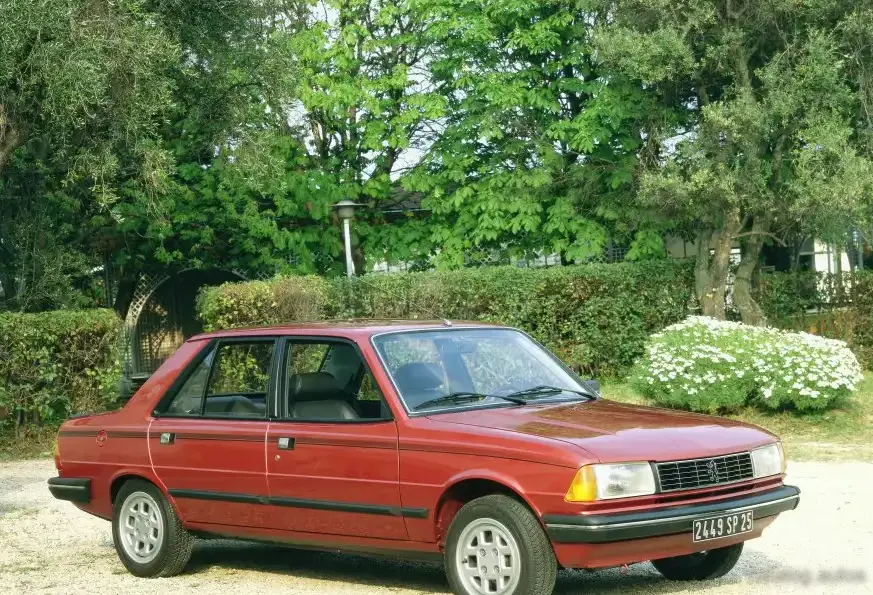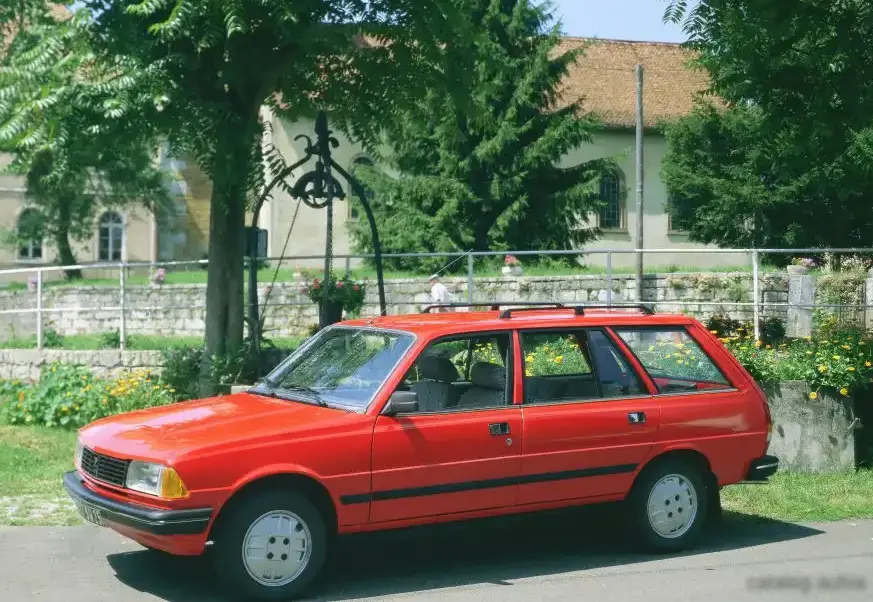
The Peugeot 305 II Break (581E) 1.3, produced between 1982 and 1986, represents a practical and economical variant within the broader Peugeot 305 range. As a station wagon (estate) version of the 305, it catered to families and those requiring increased cargo capacity. This particular 1.3-liter, 60 horsepower model served as the entry point into the 305 Break lineup, prioritizing affordability and fuel efficiency over outright performance. It was positioned as a sensible choice for everyday transportation, particularly in European markets where compact estates were highly popular. The 305 itself was a significant model for Peugeot, intended to replace the aging 304 and offer a more modern and spacious alternative.
Technical Specifications
| Brand | Peugeot |
| Model | 305 |
| Generation | 305 II Break (581E) |
| Type (Engine) | 1.3 (60 Hp) |
| Start of production | 1982 |
| End of production | 1986 |
| Powertrain Architecture | Internal Combustion engine |
| Body type | Station wagon (estate) |
| Fuel Type | Petrol (Gasoline) |
| Power | 60 Hp |
| Engine Model/Code | 118 XL5 |
| Engine aspiration | Naturally aspirated engine |
| Engine oil capacity | 4 l (4.23 US qt | 3.52 UK qt) |
| Coolant capacity | 6 l (6.34 US qt | 5.28 UK qt) |
Powertrain & Engine Architecture
The 305 II Break 1.3 utilized Peugeot’s 118 XL5 engine, a 1367cc inline-four cylinder petrol engine. This engine was a relatively simple design, featuring a single overhead camshaft (SOHC) operating two valves per cylinder. Fuel delivery was managed by a single, down-draft carburetor – a common setup for vehicles of this era and price point. The carburetor system, while reliable, wasn’t as precise or efficient as fuel injection, contributing to the engine’s modest power output. The engine’s block was cast iron, providing durability, while the cylinder head was aluminum, helping to reduce weight. The 60 horsepower was achieved at 6000 rpm, with a torque output of approximately 88 lb-ft at 3500 rpm. The engine was mated to a four-speed manual transmission as standard, though a three-speed automatic transmission was offered as an option. The automatic transmission, while providing convenience, further reduced acceleration and fuel economy compared to the manual version.
Driving Characteristics
The 1.3-liter engine in the 305 Break delivered modest performance. Acceleration was leisurely, and overtaking required careful planning. The car was not designed for spirited driving; instead, it prioritized fuel economy and ease of use. The four-speed manual transmission allowed drivers to make the most of the available power, while the optional automatic transmission, though convenient, resulted in noticeable performance degradation. Gear ratios were geared towards maximizing fuel efficiency rather than providing quick acceleration. The car felt most comfortable cruising at highway speeds, though steep inclines required downshifting. Compared to the higher-spec 305 models equipped with larger engines (like the 1.6 or 1.8-liter variants), the 1.3 felt significantly underpowered. The manual transmission version offered a more engaging driving experience, while the automatic was favored by those seeking a more relaxed driving style.
Equipment & Trim Levels
The 305 II Break 1.3 was typically equipped with basic, functional features. Standard equipment included cloth upholstery, vinyl floor covering, and a simple dashboard layout. The instrument cluster typically featured a speedometer, fuel gauge, and temperature gauge. Power steering and central locking were not standard features on this base model, but could be added as optional extras. The interior was designed for practicality and durability rather than luxury. Optional extras included a radio, upgraded upholstery, and tinted glass. The exterior trim was relatively basic, with black plastic bumpers and steel wheels with hubcaps. Higher trim levels of the 305 Break offered more luxurious features, such as upgraded upholstery, alloy wheels, and additional comfort features.
Chassis & Braking
The 305 Break utilized a relatively conventional chassis design for the early 1980s. It featured independent front suspension with MacPherson struts and a torsion bar stabilizer, providing a comfortable ride. The rear suspension employed a twist-beam axle with coil springs and trailing arms. Braking was typically accomplished with disc brakes on the front wheels and drum brakes on the rear wheels. The braking system was adequate for the car’s weight and performance, but lacked the stopping power of more modern braking systems. Steering was a recirculating ball system, providing a somewhat vague feel. The suspension was tuned for comfort, prioritizing ride quality over handling precision. Stabilizer bars were fitted to improve body roll, but the car still exhibited noticeable lean in corners.
Market Reception & Comparison
The Peugeot 305 II Break 1.3 was generally well-received as an affordable and practical family car. Critics praised its spacious interior, comfortable ride, and fuel efficiency. However, the engine’s lack of power was a common criticism. Compared to other station wagons in its class, such as the Renault 18 Break or the Citroën BX Estate, the 305 Break 1.3 offered a competitive level of practicality and affordability. The 1.6-liter and 1.8-liter versions of the 305 Break offered significantly better performance, but came at a higher price. Fuel economy was a strong point for the 1.3-liter model, making it an attractive option for budget-conscious buyers. Reliability was generally good, although the carburetor system required periodic maintenance.
Legacy
The Peugeot 305 Break 1.3, while not a performance icon, remains a fondly remembered vehicle for many. Its simple, robust design contributed to its longevity, and many examples are still on the road today. The 118 XL5 engine, while not particularly powerful, proved to be durable and relatively easy to maintain. In the used car market, these models are often sought after by enthusiasts looking for a classic French car that is affordable and practical. Parts availability can be a challenge, but many parts are still available through specialist suppliers. The 305 Break 1.3 represents a significant chapter in Peugeot’s history, demonstrating the company’s commitment to producing practical and affordable vehicles for the masses. Its enduring appeal lies in its simplicity, reliability, and spaciousness.