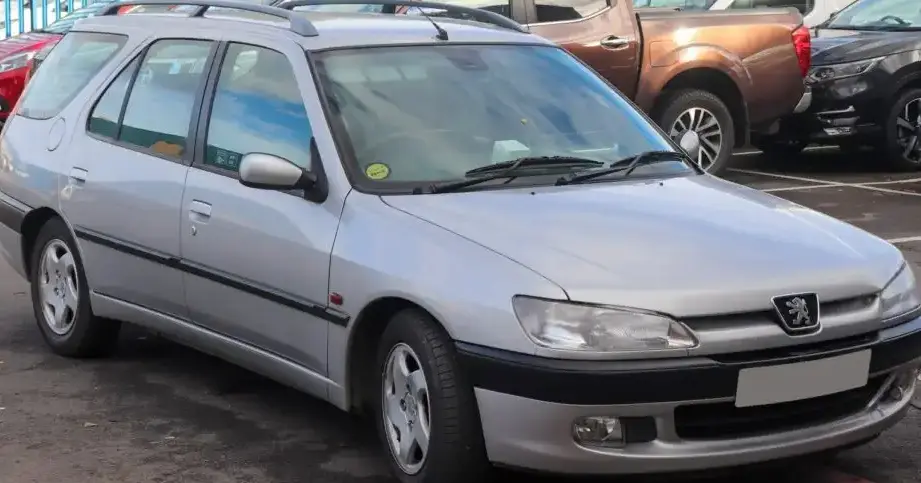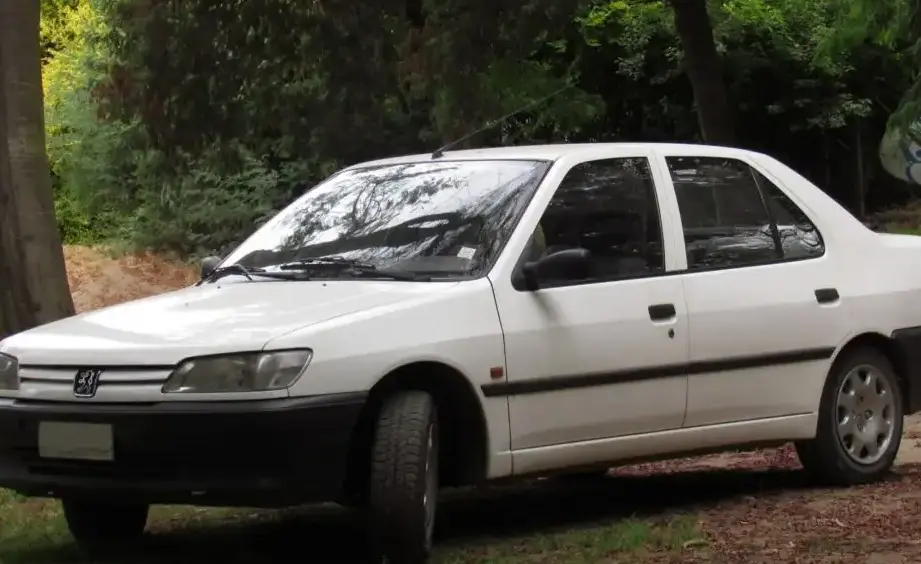
The Peugeot 306 Sedan (7B) 1.6 SR, producing 89 horsepower, was a mainstay of the Peugeot lineup from 1994 to 1997. Positioned as an entry-level to mid-range offering within the 306 sedan range, it provided affordable transportation with a focus on practicality and fuel efficiency. This variant played a significant role in Peugeot’s presence in the European compact sedan market, offering a balance between cost and usability. It was built on the T7 platform, shared with the Citroën ZX and other Peugeot models of the era.
Technical Specifications
| Brand | Peugeot |
| Model | 306 |
| Generation | 306 Sedan (7B) |
| Type (Engine) | 1.6 SR (89 Hp) |
| Start of production | 1994 |
| End of production | 1997 |
| Powertrain Architecture | Internal Combustion engine |
| Body type | Sedan |
| Seats | 5 |
| Doors | 4 |
| Fuel consumption (urban) | 10.4 l/100 km (22.6 US mpg, 27.2 UK mpg, 9.6 km/l) |
| Fuel consumption (extra urban) | 6.2 l/100 km (37.9 US mpg, 45.6 UK mpg, 16.1 km/l) |
| Fuel consumption (combined) | 7.2 l/100 km (32.7 US mpg, 39.2 UK mpg, 13.9 km/l) |
| Fuel Type | Petrol (Gasoline) |
| Acceleration 0 – 100 km/h | 12.9 sec |
| Acceleration 0 – 62 mph | 12.9 sec |
| Acceleration 0 – 60 mph | 12.3 sec |
| Maximum speed | 178 km/h (110.6 mph) |
| Weight-to-power ratio | 12.1 kg/Hp, 82.4 Hp/tonne |
| Weight-to-torque ratio | 8 kg/Nm, 125 Nm/tonne |
| Power | 89 Hp @ 5600 rpm |
| Power per litre | 56.1 Hp/l |
| Torque | 135 Nm @ 3000 rpm (99.57 lb.-ft. @ 3000 rpm) |
| Engine layout | Front, Transverse |
| Engine Model/Code | NFZ TU5JP |
| Engine displacement | 1587 cm3 (96.84 cu. in.) |
| Number of cylinders | 4 |
| Engine configuration | Inline |
| Cylinder Bore | 78.5 mm (3.09 in.) |
| Piston Stroke | 82 mm (3.23 in.) |
| Compression ratio | 10:1 |
| Number of valves per cylinder | 2 |
| Fuel injection system | Multi-port manifold injection |
| Engine aspiration | Naturally aspirated engine |
| Valvetrain | OHC |
| Engine oil capacity | 3.2 l (3.38 US qt | 2.82 UK qt) |
| Coolant capacity | 7 l (7.4 US qt | 6.16 UK qt) |
| Kerb Weight | 1080 kg (2380.99 lbs.) |
| Max. weight | 1605 kg (3538.42 lbs.) |
| Max load | 525 kg (1157.43 lbs.) |
| Trunk (boot) space – minimum | 463 l (16.35 cu. ft.) |
| Fuel tank capacity | 60 l (15.85 US gal | 13.2 UK gal) |
| Length | 4232 mm (166.61 in.) |
| Width | 1689 mm (66.5 in.) |
| Height | 1386 mm (54.57 in.) |
| Wheelbase | 2580 mm (101.57 in.) |
| Front track | 1462 mm (57.56 in.) |
| Rear (Back) track | 1435 mm (56.5 in.) |
| Drivetrain Architecture | The Internal combustion engine (ICE) drives the front wheels of the vehicle. |
| Drive wheel | Front wheel drive |
| Number of gears and type of gearbox | 5 gears, manual transmission |
| Front suspension | Wishbone |
| Rear suspension | Trailing arm |
| Front brakes | Disc |
| Rear brakes | Drum |
| Assisting systems | ABS (Anti-lock braking system) |
| Steering type | Steering rack and pinion |
| Power steering | Hydraulic Steering |
| Tires size | 185/65 R14 |
Powertrain & Engine Architecture
The 1.6 SR variant of the Peugeot 306 Sedan was powered by the NFZ (also known as TU5JP) engine, a 1.6-liter inline-four cylinder gasoline engine. This engine was a common sight in various Peugeot and Citroën models during the 1990s. It featured a single overhead camshaft (OHC) valvetrain with two valves per cylinder. Fuel delivery was handled by a multi-port fuel injection system, providing a reasonable balance between performance and fuel economy. The engine’s 89 horsepower output at 5600 rpm and 135 Nm (99.57 lb-ft) of torque at 3000 rpm were considered adequate for everyday driving. The engine was transversely mounted in the front of the vehicle, driving the front wheels. The 5-speed manual transmission was the standard offering, providing a relatively direct connection between the engine and the wheels.
Driving Characteristics
The 1.6 SR offered a predictable and comfortable driving experience. Acceleration was not its strong suit, with a 0-60 mph time of around 12.3 seconds, but it was sufficient for typical urban and highway driving. The gear ratios in the 5-speed manual transmission were well-spaced, allowing the engine to operate efficiently at cruising speeds. Compared to the more powerful 2.0-liter variants, the 1.6 SR felt noticeably less responsive, particularly during overtaking maneuvers. However, the lighter engine weight contributed to better handling and a more nimble feel. The steering was light and precise, making it easy to maneuver in tight spaces. The suspension provided a comfortable ride, absorbing bumps and imperfections in the road surface effectively.
Equipment & Trim Levels
The 1.6 SR trim level typically included basic amenities such as power steering, central locking, and an AM/FM radio. Interior upholstery was usually cloth, with a simple and functional dashboard layout. Optional extras included air conditioning, electric windows, and a sunroof. The SR trim was positioned as a step up from the base model, offering a slightly more refined interior and a few additional convenience features. It aimed to appeal to buyers seeking a practical and affordable family sedan.
Chassis & Braking
The Peugeot 306 Sedan featured a front independent suspension with wishbones and a rear trailing arm suspension. This setup provided a good balance between ride comfort and handling. The braking system consisted of front disc brakes and rear drum brakes. Anti-lock Braking System (ABS) was included as standard, enhancing safety by preventing wheel lockup during hard braking. The chassis was relatively lightweight, contributing to the car’s agility and fuel efficiency. The steering utilized a rack and pinion system with hydraulic power assistance, providing a responsive and effortless steering experience.
Market Reception & Comparison
The Peugeot 306 Sedan 1.6 SR was generally well-received by automotive critics as a practical and affordable family car. It was praised for its comfortable ride, decent fuel economy, and reliable engine. However, it was often criticized for its lack of power and somewhat basic interior. Compared to other trims in the 306 lineup, such as the 2.0 XSi, the 1.6 SR offered a more economical option, but at the expense of performance. It competed with other compact sedans in the European market, such as the Renault 19, Citroën ZX, and Volkswagen Jetta.
Legacy
The Peugeot 306 Sedan 1.6 SR has proven to be a relatively reliable vehicle, with many examples still on the road today. The NFZ engine is known for its durability and relatively low maintenance costs. However, like any older vehicle, it is susceptible to age-related issues such as corrosion and wear and tear on suspension components. In the used car market, the 1.6 SR is often sought after by buyers looking for an affordable and practical classic car. Its simplicity and ease of maintenance make it an attractive option for those who enjoy working on their own vehicles. While not a performance icon, the 306 1.6 SR remains a fondly remembered and capable compact sedan.