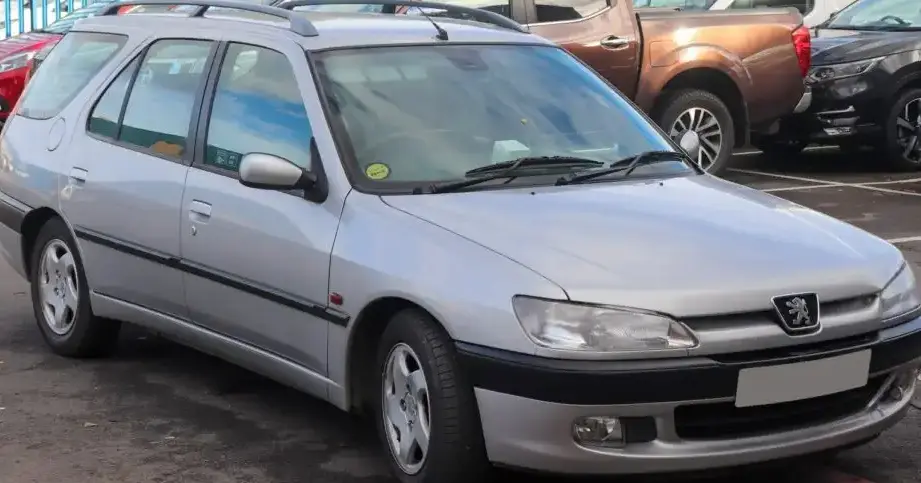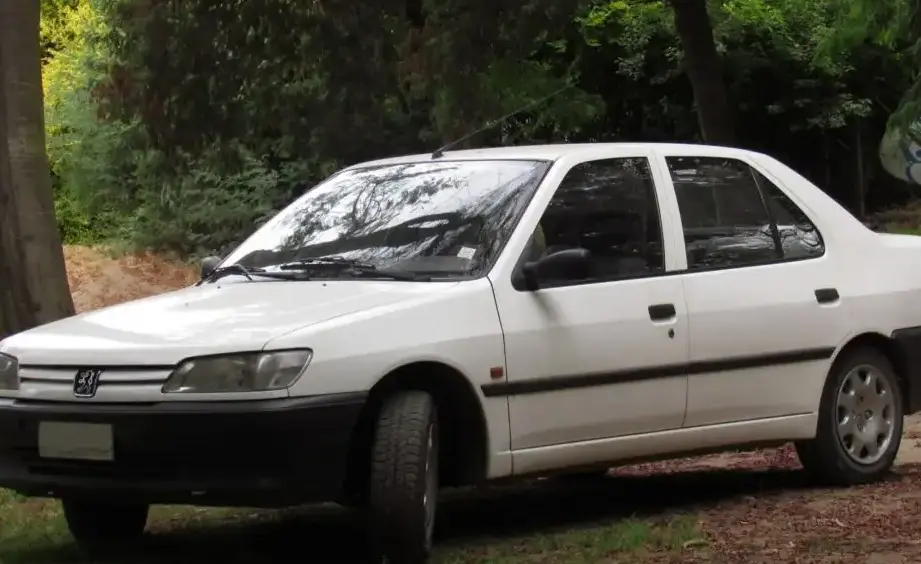
The Peugeot 306 Sedan (7B) 1.8 ST, produced between 1994 and 1997, represented a mid-range offering within the broader 306 sedan lineup. Positioned above the base 1.4L models and below the more performance-oriented versions, the 1.8 ST aimed to provide a balance of fuel efficiency, reasonable performance, and a comfortable driving experience. This variant was primarily marketed in Europe and other regions where Peugeot had a strong presence, offering a practical and affordable family saloon. It was built on the 306 platform, internally designated 7B for the sedan body style.
Technical Specifications
| Brand | Peugeot |
| Model | 306 |
| Generation | 306 Sedan (7B) |
| Type (Engine) | 1.8 ST (101 Hp) |
| Start of production | 1994 |
| End of production | 1997 |
| Powertrain Architecture | Internal Combustion engine |
| Body type | Sedan |
| Seats | 5 |
| Doors | 4 |
| Fuel consumption (combined) | 8 l/100 km (29.4 US mpg, 35.3 UK mpg, 12.5 km/l) |
| Fuel Type | Petrol (Gasoline) |
| Acceleration 0 – 100 km/h | 12.2 sec |
| Acceleration 0 – 62 mph | 12.2 sec |
| Acceleration 0 – 60 mph | 11.6 sec |
| Maximum speed | 185 km/h (114.95 mph) |
| Weight-to-power ratio | 10.9 kg/Hp, 91.8 Hp/tonne |
| Weight-to-torque ratio | 7.2 kg/Nm, 139.1 Nm/tonne |
| Power | 101 Hp @ 6000 rpm |
| Power per litre | 57.3 Hp/l |
| Torque | 153 Nm @ 3000 rpm (112.85 lb.-ft. @ 3000 rpm) |
| Engine layout | Front, Transverse |
| Engine Model/Code | LFY XU7JP4 |
| Engine displacement | 1762 cm3 (107.52 cu. in.) |
| Number of cylinders | 4 |
| Engine configuration | Inline |
| Cylinder Bore | 83 mm (3.27 in.) |
| Piston Stroke | 81.4 mm (3.2 in.) |
| Compression ratio | 9.2:1 |
| Number of valves per cylinder | 2 |
| Fuel injection system | Multi-port manifold injection |
| Engine aspiration | Naturally aspirated engine |
| Valvetrain | OHC |
| Engine oil capacity | 4.3 l (4.54 US qt | 3.78 UK qt) |
| Coolant | 7.5 l (7.93 US qt | 6.6 UK qt) |
| Kerb Weight | 1100 kg (2425.08 lbs.) |
| Max. weight | 1625 kg (3582.51 lbs.) |
| Max load | 525 kg (1157.43 lbs.) |
| Trunk (boot) space – minimum | 463 l (16.35 cu. ft.) |
| Fuel tank capacity | 60 l (15.85 US gal | 13.2 UK gal) |
| Length | 4232 mm (166.61 in.) |
| Width | 1689 mm (66.5 in.) |
| Height | 1386 mm (54.57 in.) |
| Wheelbase | 2580 mm (101.57 in.) |
| Front track | 1454 mm (57.24 in.) |
| Rear (Back) track | 1429 mm (56.26 in.) |
| Drivetrain Architecture | The Internal combustion engine (ICE) drives the front wheels of the vehicle. |
| Drive wheel | Front wheel drive |
| Number of gears and type of gearbox | 5 gears, manual transmission |
| Front suspension | Wishbone |
| Rear suspension | Trailing arm |
| Front brakes | Ventilated discs |
| Rear brakes | Drum |
| Assisting systems | ABS (Anti-lock braking system) |
| Steering type | Steering rack and pinion |
| Power steering | Hydraulic Steering |
| Tires size | 185/60 R14 |
Powertrain & Engine Architecture
The 1.8 ST variant of the Peugeot 306 Sedan utilized the XU7JP4 engine, a 1762cc inline-four cylinder petrol engine. This engine, often referred to as the LFY code, was a staple in many Peugeot and Citroën models during the 1990s. It featured a single overhead camshaft (OHC) valvetrain with two valves per cylinder. Fuel delivery was managed by a multi-port fuel injection system, providing a balance between efficiency and performance. The engine’s 9.2:1 compression ratio contributed to its respectable power output of 101 horsepower at 6000 rpm and 153 Nm (113 lb-ft) of torque at 3000 rpm. The engine was transversely mounted, driving the front wheels. The 5-speed manual transmission was the standard offering, providing a relatively direct connection between the engine and the wheels.
Driving Characteristics
The 1.8 ST offered a noticeable step up in performance compared to the lower-displacement 1.4L models. While not a sports car, the 101 hp engine provided adequate power for everyday driving and occasional highway cruising. Acceleration from 0 to 60 mph took around 11.6 seconds, and the top speed was approximately 115 mph. The 5-speed manual transmission allowed drivers to keep the engine in its optimal power band, enhancing responsiveness. The gear ratios were tuned for a balance of acceleration and fuel economy. Compared to higher-performance 306 variants, such as those equipped with the 2.0L 16V engine, the 1.8 ST felt less eager to rev and offered less overall punch. However, it provided a more relaxed and fuel-efficient driving experience.
Equipment & Trim Levels
The 1.8 ST trim level typically included features such as power steering, central locking, and electric front windows. Interior upholstery was generally cloth, with a relatively simple dashboard layout. Optional extras could include air conditioning, a sunroof, and upgraded audio systems. The 1.8 ST was positioned as a well-equipped, mid-range offering, appealing to buyers who wanted more than the basic amenities but didn’t require the luxury features found in higher-end trims.
Chassis & Braking
The 306 Sedan featured a front independent suspension with wishbones and a rear trailing arm suspension. This setup provided a comfortable ride quality, although it wasn’t particularly sporty. The front brakes were ventilated discs, offering good stopping power, while the rear brakes were drums. ABS (Anti-lock Braking System) was included as standard equipment, enhancing safety. The chassis was designed to provide a good balance between handling and ride comfort, suitable for everyday driving conditions. Stabilizer bars were fitted to both the front and rear axles to reduce body roll during cornering.
Market Reception & Comparison
The Peugeot 306 1.8 ST was generally well-received by automotive critics as a practical and affordable family saloon. It was praised for its comfortable ride, decent performance, and reasonable fuel economy. Compared to other trims in the 306 lineup, the 1.8 ST offered a good compromise between performance and running costs. The 1.4L models were more economical but lacked power, while the higher-output variants were more expensive and less fuel-efficient. In terms of reliability, the XU7JP4 engine was generally considered to be robust and dependable, although regular maintenance was essential. Fuel economy averaged around 35 mpg in mixed driving conditions.
Legacy
The Peugeot 306 1.8 ST remains a relatively common sight on European roads today, testament to its durability and affordability. The XU7JP4 engine is known for its longevity, and many examples are still running reliably with proper maintenance. In the used car market, the 1.8 ST represents a good value proposition for buyers seeking a practical and dependable family saloon. While it may not offer the excitement of more powerful variants, its balance of performance, economy, and reliability makes it a popular choice among enthusiasts and everyday drivers alike. Parts availability remains good, contributing to its continued viability as a classic and affordable vehicle.