
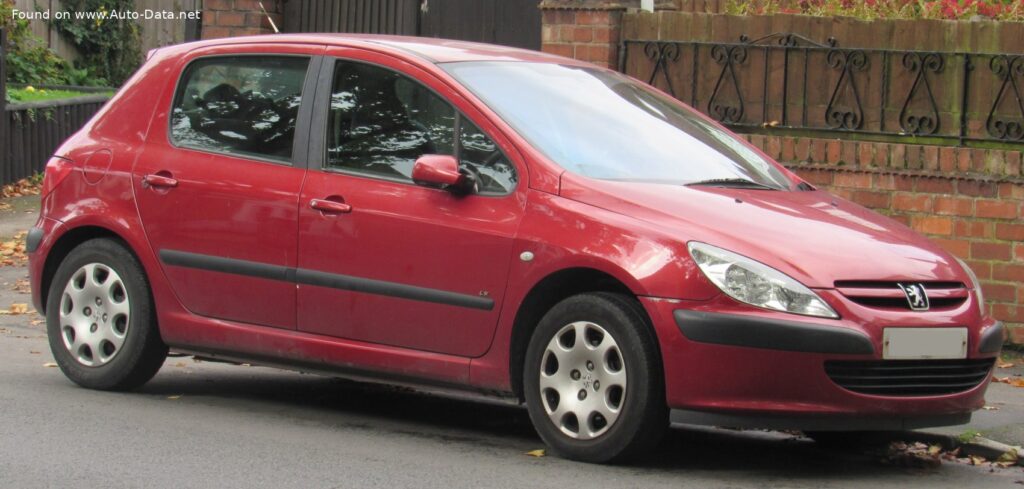
The Peugeot 307 1.6 (109 hp) Automatic, a first-generation model produced from 2001 to 2005, occupies a notable position within the European compact car landscape. As the successor to the popular Peugeot 306, the 307 was designed to compete in the highly competitive C-segment, challenging established rivals like the Volkswagen Golf, Ford Focus, and Opel/Vauxhall Astra. While not officially sold in the United States, the 307 was a significant sales success in Europe and other international markets, earning the coveted European Car of the Year award in 2002. This recognition highlighted its advancements in interior space, ride comfort, and safety features, setting a new benchmark for vehicles in its class. The 1.6-liter engine paired with an automatic transmission offered a balance of affordability and convenience, making it a popular choice for family transportation.
Peugeot 307: A European Success Story
The Peugeot 307 represented a departure from its predecessor, the 306, with a more modern and spacious interior. Peugeot aimed to create a vehicle that offered a premium feel without the premium price tag. The design philosophy centered around maximizing passenger comfort and practicality. The 307 was available in a variety of body styles, including a three-door hatchback, a five-door hatchback, a station wagon (Touring), and a convertible (CC). This broad range of options allowed Peugeot to cater to a wider customer base. In Europe, the C-segment is exceptionally popular, and the 307 quickly became a mainstay on European roads, known for its reliability and relatively low running costs. The automatic transmission, while not as common in Europe as manual gearboxes, provided a more accessible driving experience for a segment of the market prioritizing ease of use.
Engine & Performance
The 1.6-liter inline-four cylinder engine powering the Peugeot 307 1.6 Automatic delivers 109 horsepower and approximately 108 lb-ft of torque. This engine, while not exceptionally powerful, provided adequate performance for everyday driving. The automatic transmission, typically a four-speed unit, was designed for smooth and comfortable gear changes, prioritizing fuel efficiency over sporty acceleration. Acceleration from 0 to 60 mph was around 11.5 seconds, and top speed was approximately 114 mph. The engine utilized multi-point fuel injection and a single overhead camshaft (SOHC) configuration. While not a high-revving engine, it offered a reasonable amount of low-end torque, making it suitable for urban driving and highway cruising. Fuel economy was a key selling point, with combined cycle figures averaging around 34-38 mpg. The engine’s design focused on reliability and longevity, contributing to the 307’s reputation as a dependable vehicle. Compared to larger engine options available in the 307 range (such as the 2.0-liter petrol or the 1.6 and 2.0-liter HDi diesel engines), the 1.6-liter offered a more affordable entry point into the model line-up.
Design & Features
The Peugeot 307’s exterior design was characterized by its rounded lines and a relatively compact footprint. The five-door hatchback body style was the most popular configuration, offering a practical and versatile package. Inside, the 307 boasted a spacious cabin for its class, with ample headroom and legroom for both front and rear passengers. The interior design was functional and modern, with a focus on ergonomics. Standard features typically included power steering, central locking, electric front windows, and an audio system. Higher trim levels offered additional features such as air conditioning, alloy wheels, and a sunroof. Safety features were also a priority, with the 307 equipped with dual front airbags, ABS brakes, and electronic brakeforce distribution (EBD). The 307’s suspension was tuned for comfort, providing a smooth and compliant ride. The steering was light and precise, making it easy to maneuver in urban environments. The station wagon (Touring) variant offered significantly increased cargo capacity, making it ideal for families or those requiring extra space. The convertible (CC) version, with its retractable hardtop, provided open-air driving enjoyment. The overall design aimed to appeal to a broad audience, balancing practicality, comfort, and style.
Technical Specifications
| Engine Type | 1.6L Inline-4 Cylinder Petrol |
| Displacement | 1,587 cc (96.8 cu in) |
| Horsepower | 109 hp @ 5,600 rpm |
| Torque | 108 lb-ft @ 4,000 rpm |
| Transmission | 4-Speed Automatic |
| Drivetrain | Front-Wheel Drive |
| Brakes (Front/Rear) | Ventilated Discs / Drums |
| Suspension (Front/Rear) | MacPherson Strut / Torsion Beam |
| Curb Weight | 2,780 lbs (approx.) |
| Fuel Capacity | 13.2 gallons (50 liters) |
| 0-60 mph | 11.5 seconds (approx.) |
| Top Speed | 114 mph (approx.) |
| Combined Fuel Economy | 34-38 mpg |
| Body Style | 5-Door Hatchback (most common) |
The Peugeot 307 1.6 Automatic, despite not being sold in the US market, remains a significant example of European automotive engineering. Its success stemmed from a combination of practical design, comfortable ride, and reasonable running costs. It solidified Peugeot’s position as a major player in the competitive C-segment, and its innovative features and spacious interior set a new standard for compact cars in Europe. While later generations of the 307 would introduce further advancements in technology and design, the first-generation model, including the 1.6 Automatic variant, remains a fondly remembered and well-regarded vehicle.
