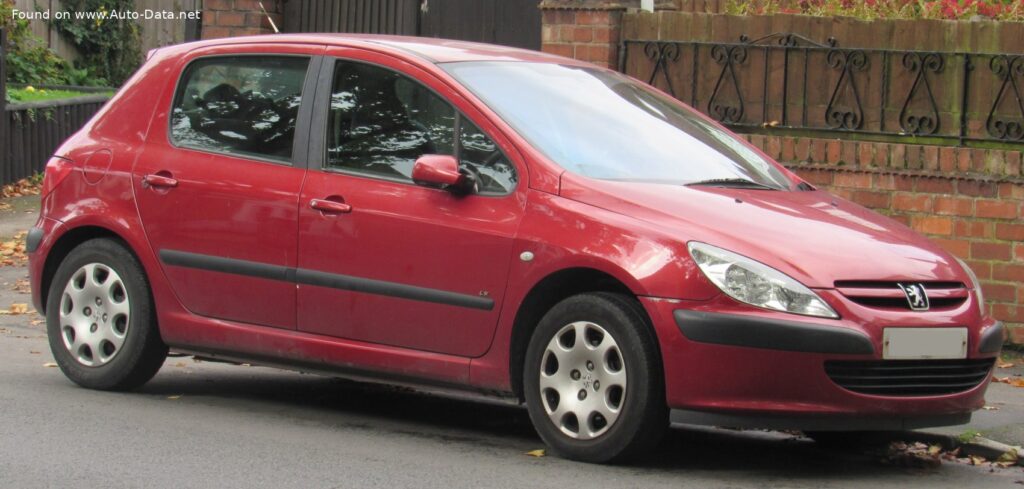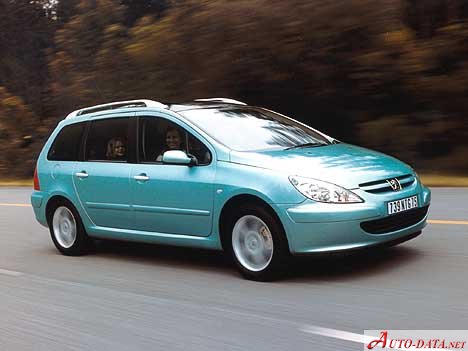
The Peugeot 307 Station Wagon 2.0 HDi (90 hp) was a key model in Peugeot’s lineup during the early 2000s, primarily aimed at the European market. Representing the station wagon (estate) version of the popular 307 C-segment compact car, it offered a compelling combination of practicality, fuel efficiency, and a relatively spacious interior. Introduced in 2002 as an extension of the 307 hatchback and saloon models launched in 2001, the station wagon variant catered to buyers needing increased cargo capacity without sacrificing the everyday usability of a smaller vehicle. While not officially sold in the United States, the 307 wagon exemplifies the European preference for versatile, diesel-powered family cars. It served as a direct competitor to models like the Ford Focus Estate, Volkswagen Golf Variant, and Renault Mégane Estate.
Peugeot 307 Station Wagon: A European Perspective
The 307 replaced the highly successful 306, and represented a significant design shift for Peugeot. The 307 moved away from the sharper angles of its predecessor, adopting a more rounded and contemporary aesthetic. The station wagon version, in particular, focused on maximizing interior space and utility. European consumers favored station wagons for their ability to handle both family transportation and cargo needs, making the 307 SW a popular choice. The 2.0 HDi engine, a common sight in European vehicles of this era, was prized for its fuel economy and torque, making it well-suited for long distances and varied driving conditions. The “HDi” designation signifies a high-pressure direct injection diesel engine, a technology that was becoming increasingly prevalent in Europe due to tightening emissions regulations and growing demand for fuel-efficient vehicles. The 90 horsepower output, while modest by today’s standards, was considered adequate for the vehicle’s intended purpose and weight class.
Engine & Performance
The heart of the Peugeot 307 Station Wagon 2.0 HDi (90 hp) is a 1,997 cc (2.0-liter) four-cylinder diesel engine. This engine utilizes common rail direct injection and a turbocharger to deliver a balance of power and efficiency. The 90 horsepower (92 metric horsepower or 66 kW) is achieved at 4,000 rpm, while peak torque of 188 lb-ft (255 Nm) is available from a low 1,750 rpm. This strong low-end torque is a characteristic of diesel engines and provides excellent drivability in everyday situations, particularly when fully loaded. The engine is typically paired with a five-speed manual transmission, although an optional four-speed automatic transmission was also available. Performance figures are modest, with a 0-62 mph (0-100 km/h) time of around 12.5 seconds and a top speed of approximately 109 mph (175 km/h). However, the focus was not on outright speed but rather on fuel economy and long-term reliability. Fuel consumption is estimated at around 47.9 mpg (4.9 liters/100km) combined, making it a very economical vehicle to operate. The engine also benefits from features like exhaust gas recirculation (EGR) and a diesel particulate filter (DPF) to reduce emissions, aligning with European environmental standards of the time.
Design & Features
The Peugeot 307 Station Wagon features a classic station wagon body style, characterized by a long roofline extending to the rear of the vehicle. This design maximizes cargo space, offering a generous 1,550 liters (54.7 cubic feet) with the rear seats folded down, and 505 liters (17.8 cubic feet) with the seats in place. The exterior design incorporates Peugeot’s styling cues of the early 2000s, including a prominent front grille, sculpted headlights, and a relatively upright stance. Inside, the 307 SW offers a comfortable and functional cabin. The interior materials are generally durable and practical, reflecting the vehicle’s intended use as a family car. Standard features typically included power steering, central locking, electric front windows, and an adjustable steering column. Higher trim levels offered additional features such as air conditioning, alloy wheels, a CD stereo, and rear parking sensors. Safety features, while not as comprehensive as those found in modern vehicles, included ABS brakes, front airbags, and seatbelt pretensioners. The rear seats can be folded down individually or completely, providing flexibility for carrying passengers and cargo. The station wagon also benefits from a large tailgate for easy access to the cargo area. The overall design prioritizes practicality and usability, making it a versatile vehicle for a wide range of needs.
Technical Specifications
| Engine Type | 2.0L Inline-4 Diesel (Turbocharged) |
| Displacement | 1,997 cc (2.0 liters) |
| Maximum Power | 90 hp (92 PS / 66 kW) @ 4,000 rpm |
| Maximum Torque | 188 lb-ft (255 Nm) @ 1,750 rpm |
| Fuel System | Common Rail Direct Injection |
| Transmission | 5-Speed Manual (Optional 4-Speed Automatic) |
| Drivetrain | Front-Wheel Drive |
| 0-62 mph (0-100 km/h) | Approx. 12.5 seconds |
| Top Speed | Approx. 109 mph (175 km/h) |
| Fuel Consumption (Combined) | 47.9 mpg (4.9 L/100km) |
| Fuel Tank Capacity | 14.1 gallons (53 liters) |
| Vehicle Weight (Curb) | Approx. 3,086 lbs (1,400 kg) |
| Cargo Volume (Seats Up) | 505 liters (17.8 cu ft) |
| Cargo Volume (Seats Down) | 1,550 liters (54.7 cu ft) |
| Body Type | 5-Door Station Wagon |
| Production Years | 2002-2005 |
The Peugeot 307 Station Wagon 2.0 HDi (90 hp) represents a significant example of European automotive engineering focused on practicality and efficiency. While not a performance vehicle, its robust diesel engine, spacious interior, and fuel-saving capabilities made it a popular choice for families and businesses alike. Its design and features reflect the priorities of the European market during the early 2000s, where versatility and economy were highly valued. Though never officially available in the US, the 307 SW provides insight into the diverse automotive landscape of Europe and the enduring appeal of the station wagon body style.