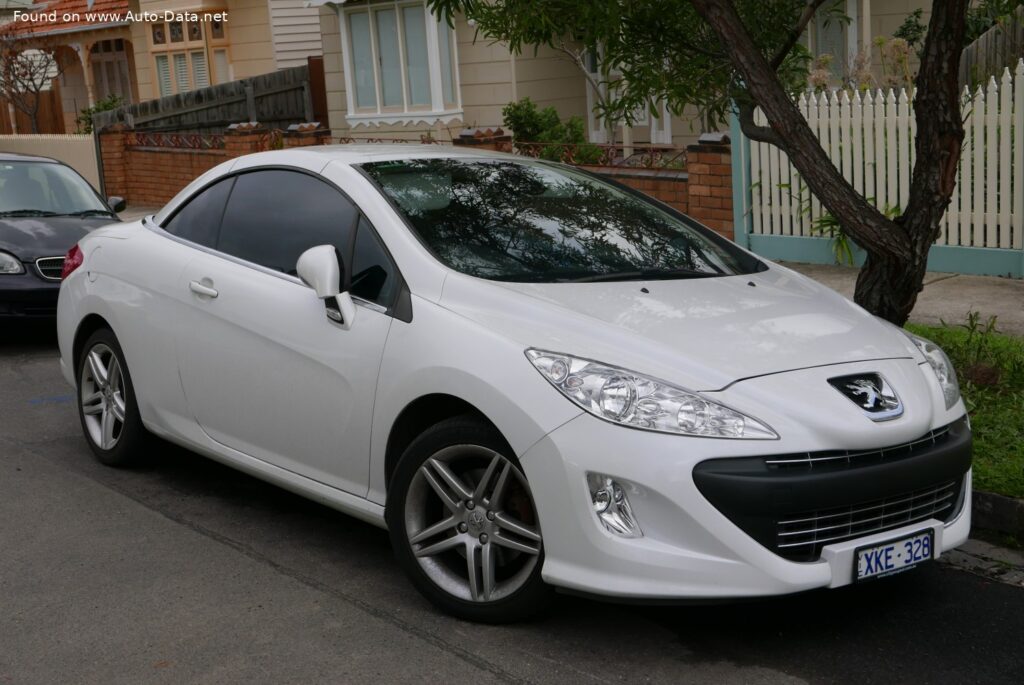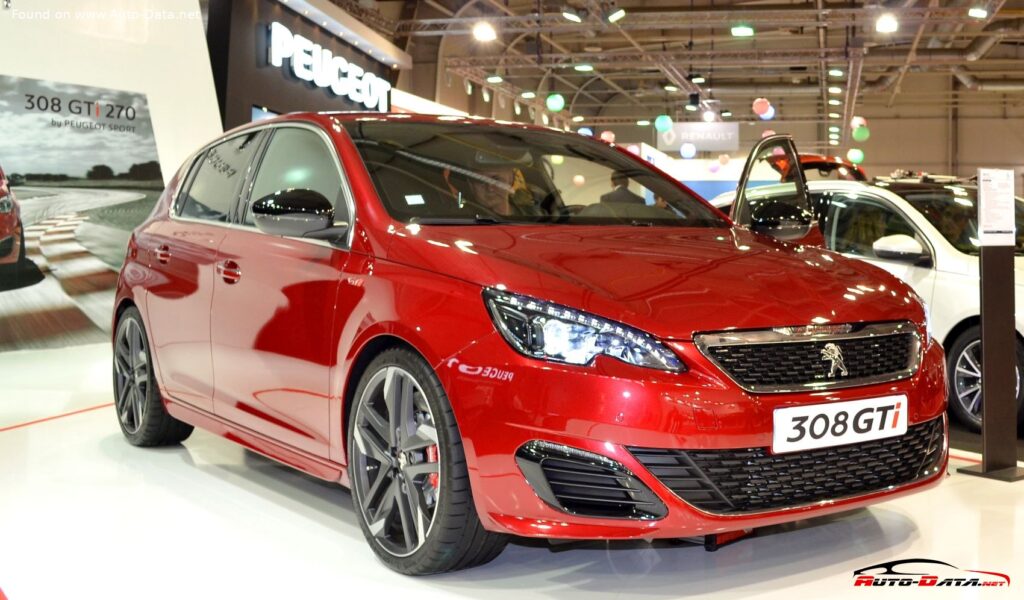
The Peugeot 308 II, launched in 2013, represented a significant step forward for the French automaker, aiming to compete more effectively in the highly competitive European compact car segment – known as the C-segment. This second generation of the 308 moved away from the somewhat quirky styling of its predecessor, adopting a more mature and refined aesthetic. The Phase I models, produced from 2013 to 2017, offered a range of engine options, with the 2.0 e-HDI diesel variant, producing 150 horsepower, being a popular choice for its blend of performance and fuel efficiency. While not officially sold in the United States, the 308 was a key model for Peugeot in Europe, offering a practical and stylish alternative to rivals like the Volkswagen Golf, Ford Focus, and Opel Astra.
Peugeot 308 II (Phase I): A Detailed Overview
The 308 II was designed with a focus on reducing weight and improving efficiency. This was achieved through the use of a new platform, known as EMP1, and the incorporation of lightweight materials. The Phase I models, including the 2.0 e-HDI, were characterized by their distinctive front grille, sculpted body lines, and modern interior. The car aimed to provide a comfortable and engaging driving experience, coupled with a high level of standard equipment.
Engine & Performance
The heart of the 2.0 e-HDI variant is a 1997cc inline-four cylinder diesel engine, designated DW10FD. This engine utilizes a turbocharger and intercooler to deliver a power output of 150 horsepower at 3750 rpm and a substantial 370 Nm (272.9 lb.-ft.) of torque at 2000 rpm. This torque figure provides strong acceleration and effortless cruising. The engine is coupled with a six-speed manual transmission, driving the front wheels. Performance figures include a 0-100 km/h (0-62 mph) acceleration time of 8.6 seconds, and a 0-60 mph time of 8.2 seconds. The top speed is rated at 218 km/h (135.46 mph). A key feature of this engine is its fuel efficiency, achieving a combined fuel consumption of 3.8 l/100 km (61.9 US mpg or 74.3 UK mpg), and CO2 emissions of just 99 g/km, meeting Euro 6 emission standards. The engine also incorporates a diesel particulate filter to further reduce emissions.
Design & Features
The Peugeot 308 II Phase I is a five-door hatchback, offering a practical and versatile body style. It seats five passengers and provides a generous 420 liters (14.83 cu. ft.) of trunk space, expandable to 817 liters (28.85 cu. ft.) with the rear seats folded down. The interior of the 308 II was a significant improvement over its predecessor, featuring a more modern design and higher-quality materials. A key feature was the “i-Cockpit,” a design philosophy that positioned the steering wheel lower and smaller than traditional setups, and raised the instrument cluster above the steering wheel. This aimed to provide a more engaging and intuitive driving experience. Standard features typically included air conditioning, power windows, central locking, and an audio system. Safety features, crucial for this generation of vehicle, included ABS (Anti-lock Braking System), electronic stability control, and multiple airbags. The car’s kerb weight of 1290 kg (2843.96 lbs) contributes to its agile handling characteristics.
Technical Specifications
| Brand | Peugeot |
| Model | 308 |
| Generation | 308 II (Phase I, 2013) |
| Type (Engine) | 2.0 e-HDI (150 Hp) |
| Start of production | 2014 |
| End of production | 2017 |
| Powertrain Architecture | Internal Combustion engine |
| Body type | Hatchback |
| Seats | 5 |
| Doors | 5 |
| Fuel consumption (urban) | 4.4 l/100 km (53.5 US mpg, 64.2 UK mpg, 22.7 km/l) |
| Fuel consumption (extra urban) | 3.5 l/100 km (67.2 US mpg, 80.7 UK mpg, 28.6 km/l) |
| Fuel consumption (combined) | 3.8 l/100 km (61.9 US mpg, 74.3 UK mpg, 26.3 km/l) |
| CO2 emissions | 99 g/km |
| Fuel Type | Diesel |
| Acceleration 0 – 100 km/h | 8.6 sec |
| Acceleration 0 – 62 mph | 8.6 sec |
| Acceleration 0 – 60 mph | 8.2 sec |
| Maximum speed | 218 km/h (135.46 mph) |
| Emission standard | Euro 6 |
| Weight-to-power ratio | 8.6 kg/Hp, 116.3 Hp/tonne |
| Weight-to-torque ratio | 3.5 kg/Nm, 286.8 Nm/tonne |
| Power | 150 Hp @ 3750 rpm |
| Power per litre | 75.1 Hp/l |
| Torque | 370 Nm @ 2000 rpm (272.9 lb.-ft. @ 2000 rpm) |
| Engine layout | Front, Transverse |
| Engine Model/Code | DW10FD |
| Engine displacement | 1997 cm3 (121.86 cu. in.) |
| Number of cylinders | 4 |
| Engine configuration | Inline |
| Number of valves per cylinder | 4 |
| Fuel injection system | Diesel Commonrail |
| Engine aspiration | Turbocharger, Intercooler |
| Engine oil capacity | 5.1 l (5.39 US qt | 4.49 UK qt) |
| Coolant | 9 l (9.51 US qt | 7.92 UK qt) |
| Kerb Weight | 1290 kg (2843.96 lbs.) |
| Max. weight | 1870 kg (4122.64 lbs.) |
| Max load | 580 kg (1278.68 lbs.) |
| Trunk (boot) space – minimum | 420 l (14.83 cu. ft.) |
| Trunk (boot) space – maximum | 817 l (28.85 cu. ft.) |
| Fuel tank capacity | 53 l (14 US gal | 11.66 UK gal) |
| Length | 4253 mm (167.44 in.) |
| Width | 1804 mm (71.02 in.) |
| Width including mirrors | 2043 mm (80.43 in.) |
| Height | 1457 mm (57.36 in.) |
| Wheelbase | 2620 mm (103.15 in.) |
| Front track | 1559 mm (61.38 in.) |
| Rear (Back) track | 1553 mm (61.14 in.) |
| Number of gears and type of gearbox | 6 gears, manual transmission |
| Front suspension | Independent type McPherson |
| Rear suspension | Semi-independent suspension, longitudinal arms with transverse torsion shafts |
| Front brakes | Ventilated discs |
| Rear brakes | Disc |
| Tires size | 205/55 R16V; 225/45 R17V; 225/40 R18W |
The Peugeot 308 II Phase I 2.0 e-HDI represented a compelling package for European buyers seeking a fuel-efficient, comfortable, and stylish compact hatchback. Its blend of performance, economy, and practicality cemented its position as a strong contender in a highly competitive market segment.