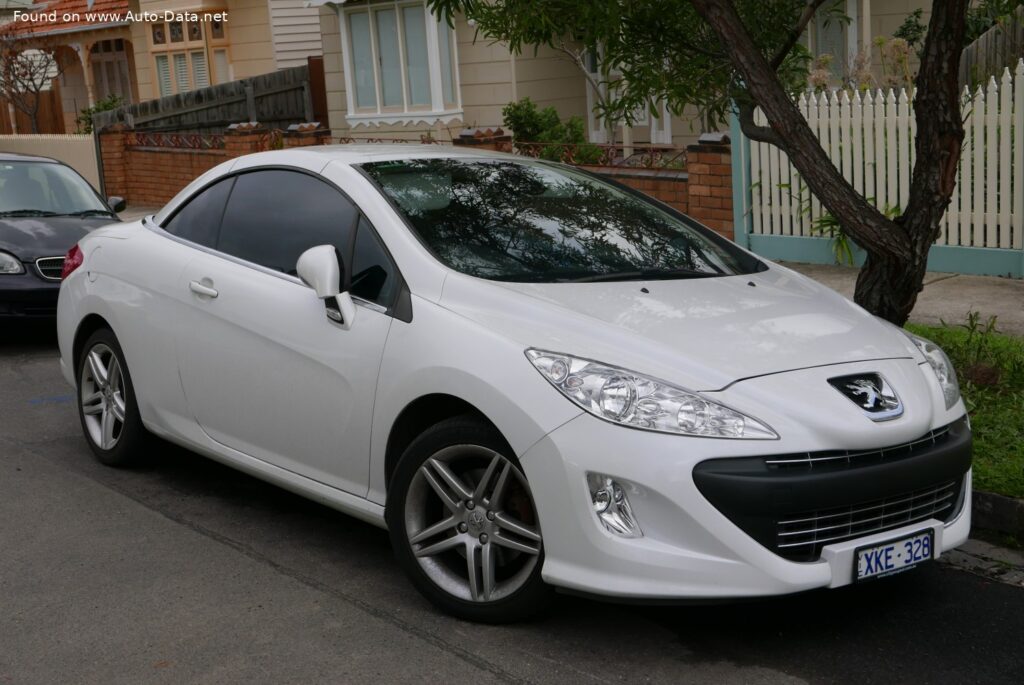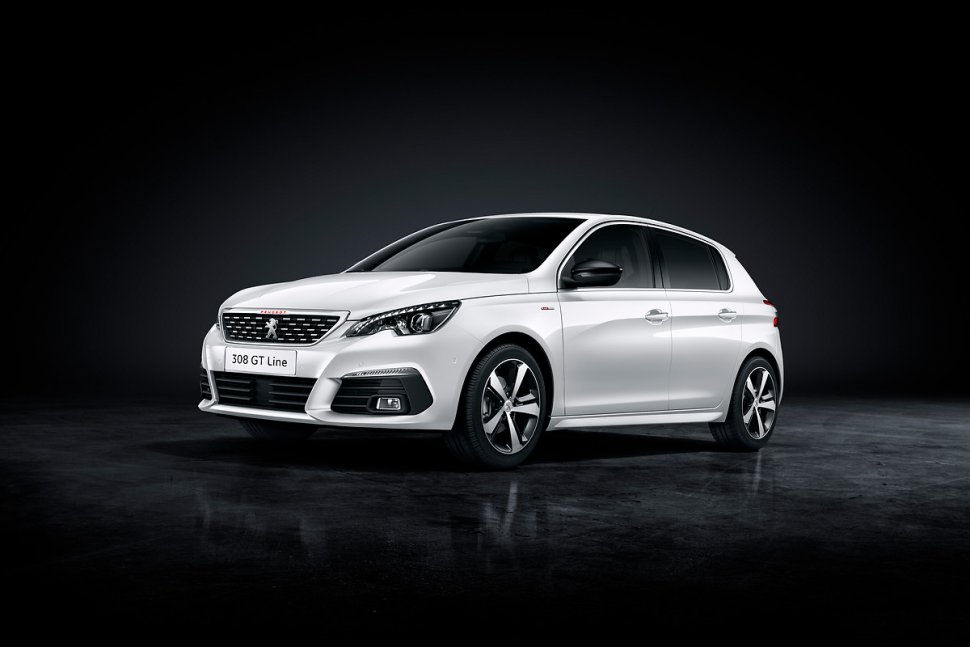
The Peugeot 308 II (Phase II), produced from 2017 to 2018, represents a significant refinement of Peugeot’s popular compact hatchback. This iteration, particularly the GT 2.0 BlueHDi Automatic model, aimed to deliver a blend of performance, efficiency, and technology within the competitive European C-segment. While not officially sold in the United States, the 308 consistently ranked as a strong contender against rivals like the Volkswagen Golf, Ford Focus, and Opel Astra, offering a distinctly French approach to design and engineering. The Phase II updates brought styling revisions, enhanced interior features, and improvements to the engine lineup, solidifying the 308’s position as a modern and appealing family car in Europe.
Peugeot 308 II (Phase II) GT 2.0 BlueHDi: An Overview
The 308 II Phase II GT 2.0 BlueHDi Automatic is a five-door hatchback designed to appeal to drivers seeking a more dynamic and refined driving experience. The “GT” designation signifies a higher trim level, incorporating sportier styling cues and upgraded equipment. The 2.0 BlueHDi engine represents Peugeot’s advanced diesel technology, focused on reducing emissions while maintaining strong performance. The automatic transmission provides convenience and ease of use, making it well-suited for both urban commuting and longer journeys. This model was primarily marketed in Europe, where diesel engines remained popular due to their fuel efficiency and lower running costs.
Engine & Performance
At the heart of the 308 GT 2.0 BlueHDi lies a 1997cc (121.86 cu. in.) inline-four cylinder diesel engine, designated AHW DW10FC. This engine produces 180 horsepower (Hp) at 3750 rpm and a substantial 400 Newton-meters (295.02 lb.-ft.) of torque at 2000 rpm. The turbocharger and intercooler work in concert to optimize power delivery and efficiency. The engine’s power-to-liter ratio is an impressive 90.1 Hp/l. This powertrain is coupled with an eight-speed automatic transmission, delivering smooth and responsive gear changes. Performance figures include a 0-100 km/h (0-62 mph) acceleration time of 8.2 seconds, and a 0-60 mph time of 7.8 seconds. The vehicle boasts a maximum speed of 225 km/h (139.81 mph). The weight-to-power ratio of 7.3 kg/Hp and weight-to-torque ratio of 3.3 kg/Nm contribute to a lively and engaging driving experience. A particulate filter is included as part of the engine’s emissions control system, ensuring compliance with Euro 6 standards.
Design & Features
The Peugeot 308 II Phase II is a five-door hatchback with a contemporary and stylish design. The GT trim level adds distinctive features such as sporty alloy wheels (225/40 R18 W on 18-inch rims), a more aggressive front bumper, and unique interior trim elements. The interior is designed with a focus on ergonomics and driver comfort, featuring a compact steering wheel and a high-mounted instrument cluster. The 308 offers seating for five passengers and provides 420 liters (14.83 cu. ft.) of trunk space with the rear seats up, expanding to 1228 liters (43.37 cu. ft.) when the seats are folded down. Safety features include ABS (Anti-lock Braking System) and a robust braking system with ventilated discs at the front and discs at the rear. The electric power steering provides precise and responsive handling. The vehicle’s dimensions are 4253 mm (167.44 in.) in length, 1804 mm (71.02 in.) in width, and 1447 mm (56.97 in.) in height. The wheelbase measures 2620 mm (103.15 in.).
Technical Specifications
| Brand | Peugeot |
| Model | 308 |
| Generation | 308 II (Phase II, 2017) |
| Type (Engine) | GT 2.0 BlueHDi (180 Hp) Automatic |
| Start of production | 2017 |
| End of production | 2018 |
| Powertrain Architecture | Internal Combustion engine |
| Body type | Hatchback |
| Seats | 5 |
| Doors | 5 |
| Fuel consumption (urban) | 5.2 l/100 km (45.2 US mpg, 54.3 UK mpg, 19.2 km/l) |
| Fuel consumption (extra urban) | 4 l/100 km (58.8 US mpg, 70.6 UK mpg, 25 km/l) |
| Fuel consumption (combined) | 4.4 l/100 km (53.5 US mpg, 64.2 UK mpg, 22.7 km/l) |
| CO2 emissions | 116 g/km |
| Fuel Type | Diesel |
| Acceleration 0 – 100 km/h | 8.2 sec |
| Acceleration 0 – 62 mph | 8.2 sec |
| Acceleration 0 – 60 mph | 7.8 sec |
| Maximum speed | 225 km/h (139.81 mph) |
| Emission standard | Euro 6 |
| Weight-to-power ratio | 7.3 kg/Hp |
| Weight-to-torque ratio | 3.3 kg/Nm |
| Power | 180 Hp @ 3750 rpm |
| Torque | 400 Nm @ 2000 rpm (295.02 lb.-ft. @ 2000 rpm) |
| Engine layout | Front, Transverse |
| Engine Model/Code | AHW DW10FC |
| Engine displacement | 1997 cm3 (121.86 cu. in.) |
| Number of cylinders | 4 |
| Engine configuration | Inline |
| Number of valves per cylinder | 4 |
| Fuel injection system | Diesel Commonrail |
| Engine aspiration | Turbocharger, Intercooler |
| Engine oil capacity | 5 l (5.28 US qt | 4.4 UK qt) |
| Kerb Weight | 1320 kg (2910.1 lbs.) |
| Max. weight | 1930 kg (4254.92 lbs.) |
| Max load | 610 kg (1344.82 lbs.) |
| Trunk (boot) space – minimum | 420 l (14.83 cu. ft.) |
| Trunk (boot) space – maximum | 1228 l (43.37 cu. ft.) |
| Fuel tank capacity | 45 l (11.89 US gal | 9.9 UK gal) |
| Permitted trailer load with brakes (12%) | 1600 kg (3527.4 lbs.) |
| Length | 4253 mm (167.44 in.) |
| Width | 1804 mm (71.02 in.) |
| Width including mirrors | 2043 mm (80.43 in.) |
| Height | 1447 mm (56.97 in.) |
| Wheelbase | 2620 mm (103.15 in.) |
| Front track | 1559 mm (61.38 in.) |
| Rear (Back) track | 1553 mm (61.14 in.) |
| Front overhang | 863 mm (33.98 in.) |
| Rear overhang | 770 mm (30.31 in.) |
| Minimum turning circle (turning diameter) | 10.4 m (34.12 ft.) |
| Drivetrain Architecture | Front wheel drive |
| Number of gears and type of gearbox | 8 gears, automatic transmission |
| Front suspension | Independent type McPherson |
| Rear suspension | Semi-independent, coil spring, Elastic beam |
| Front brakes | Ventilated discs |
| Rear brakes | Disc |
| Steering type | Steering rack and pinion |
| Power steering | Electric Steering |
| Tires size | 225/40 R18 W |
| Wheel rims size | 18 |