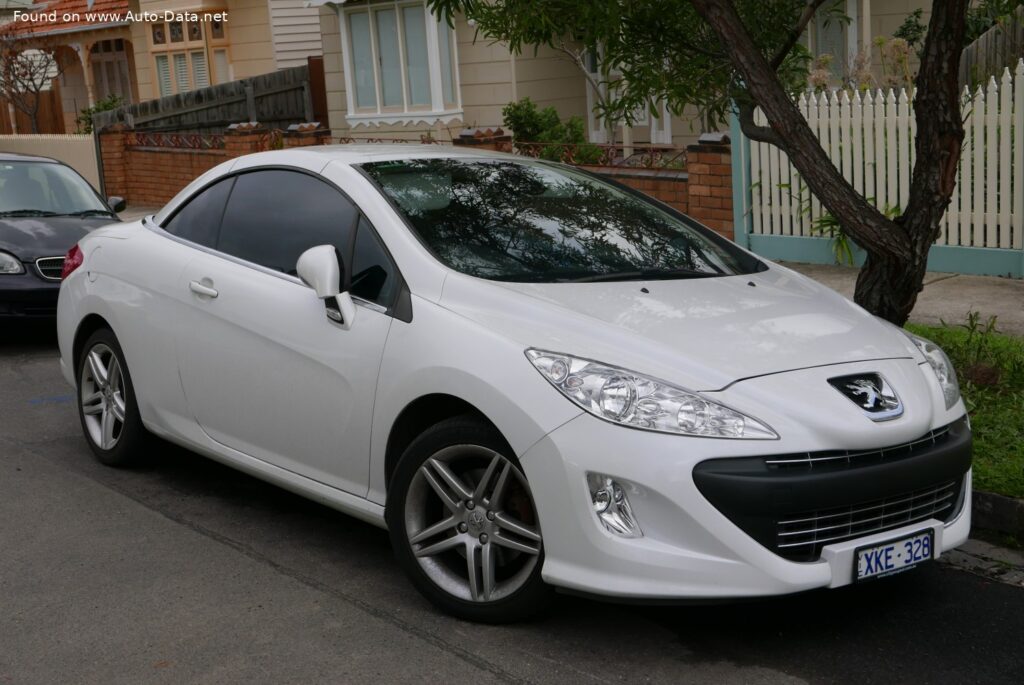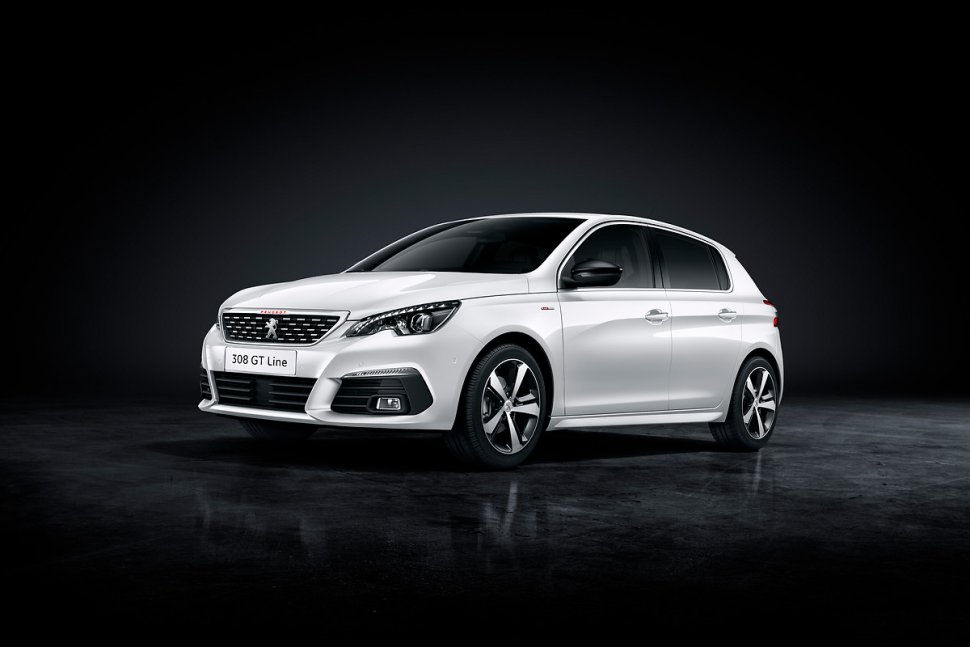
The Peugeot 308 II (Phase II), specifically the GTi 1.6 THP (270 Hp) variant produced between 2017 and 2018, represents a performance-oriented iteration of Peugeot’s popular compact hatchback. While the 308 series isn’t widely sold in the United States, it’s a significant vehicle in the European market, competing with models like the Volkswagen Golf, Ford Focus, and Opel Astra. The Phase II update brought styling revisions and technological enhancements to an already well-regarded platform, with the GTi model serving as the flagship for driving enthusiasts. This generation of the 308 aimed to blend practicality, comfort, and engaging performance, appealing to a broad range of buyers.
Peugeot 308 II GTi 1.6 THP (270 Hp): Overview
The 308 II, launched in 2013, was a crucial model for Peugeot, representing a shift towards more refined and technologically advanced vehicles. The Phase II facelift in 2017 further solidified this direction. The GTi variant, powered by a 1.6-liter turbocharged engine, was designed to deliver a sporty driving experience. It distinguished itself through its enhanced suspension, powerful engine, and aggressive styling cues. The 308’s success in Europe stemmed from its combination of French design flair, practical features, and competitive pricing.
Engine & Performance
The heart of the 308 GTi 1.6 THP (270 Hp) is its 1.6-liter inline-four cylinder engine, designated EP6FDTR. This engine utilizes direct fuel injection and is coupled with a turbocharger and intercooler to produce 270 horsepower at 6000 rpm and 330 Nm (243.4 lb.-ft.) of torque at 1900 rpm. This translates to a power-to-liter ratio of 169 hp/l. The engine is transversely mounted at the front of the vehicle. The GTi achieves a 0-100 km/h (0-62 mph) acceleration time of 6.0 seconds, and a 0-60 mph time of 5.7 seconds, with a maximum speed electronically limited to 250 km/h (155.34 mph). The engine’s responsiveness and relatively high output for its size contribute to a spirited driving experience. The powertrain is paired with a 6-speed manual transmission, delivering direct driver engagement. The weight-to-power ratio is 4.5 kg/Hp, and the weight-to-torque ratio is 3.7 kg/Nm, indicating a favorable balance for performance.
Design & Features
The Peugeot 308 II Phase II is a five-door hatchback with a seating capacity for five passengers. Its exterior design features a sporty aesthetic, particularly in the GTi trim. Key design elements include a distinctive front grille, sculpted body lines, and a rear spoiler. The interior is characterized by Peugeot’s i-Cockpit design, featuring a compact steering wheel and a raised instrument cluster. This configuration aims to provide a more engaging and intuitive driving experience. Standard features in the GTi model typically include sport seats, alloy wheels (19-inch in this case, with tire size 235/35 R19 W 91Y), and various driver-assistance systems. Safety features, crucial in modern vehicles, include ABS (Anti-lock Braking System) and other electronic stability controls. The hatchback body style offers a practical balance between passenger space and cargo capacity, with a trunk volume ranging from 420 liters (14.83 cu. ft.) with the rear seats up to 1228 liters (43.37 cu. ft.) with the seats folded down. The vehicle’s dimensions are: length 4253 mm (167.44 in.), width 1804 mm (71.02 in.), and height 1446 mm (56.93 in.).
Technical Specifications
| Brand | Peugeot |
| Model | 308 |
| Generation | 308 II (Phase II, 2017) |
| Type (Engine) | GTi 1.6 THP (270 Hp) |
| Start of production | 2017 |
| End of production | 2018 |
| Powertrain Architecture | Internal Combustion engine |
| Body type | Hatchback |
| Seats | 5 |
| Doors | 5 |
| Fuel consumption (urban) | 8.1 l/100 km (29 US mpg, 34.9 UK mpg, 12.3 km/l) |
| Fuel consumption (extra urban) | 4.9 l/100 km (48 US mpg, 57.6 UK mpg, 20.4 km/l) |
| Fuel consumption (combined) | 6 l/100 km (39.2 US mpg, 47.1 UK mpg, 16.7 km/l) |
| CO2 emissions | 139 g/km |
| Fuel Type | Petrol (Gasoline) |
| Acceleration 0 – 100 km/h | 6 sec |
| Acceleration 0 – 62 mph | 6 sec |
| Acceleration 0 – 60 mph | 5.7 sec |
| Maximum speed | 250 km/h (155.34 mph) |
| Emission standard | Euro 6 |
| Weight-to-power ratio | 4.5 kg/Hp |
| Weight-to-torque ratio | 3.7 kg/Nm |
| Power | 270 Hp @ 6000 rpm |
| Torque | 330 Nm @ 1900 rpm (243.4 lb.-ft. @ 1900 rpm) |
| Engine layout | Front, Transverse |
| Engine Model/Code | EP6FDTR |
| Engine displacement | 1598 cm3 (97.52 cu. in.) |
| Number of cylinders | 4 |
| Engine configuration | Inline |
| Number of valves per cylinder | 4 |
| Fuel injection system | Direct injection |
| Engine aspiration | Turbocharger, Intercooler |
| Engine oil capacity | 4.25 l (4.49 US qt | 3.74 UK qt) |
| Kerb Weight | 1205 kg (2656.57 lbs.) |
| Max. weight | 1790 kg (3946.27 lbs.) |
| Max load | 585 kg (1289.7 lbs.) |
| Trunk (boot) space – minimum | 420 l (14.83 cu. ft.) |
| Trunk (boot) space – maximum | 1228 l (43.37 cu. ft.) |
| Fuel tank capacity | 53 l (14 US gal | 11.66 UK gal) |
| Length | 4253 mm (167.44 in.) |
| Width | 1804 mm (71.02 in.) |
| Width including mirrors | 2043 mm (80.43 in.) |
| Height | 1446 mm (56.93 in.) |
| Wheelbase | 2617 mm (103.03 in.) |
| Front track | 1570 mm (61.81 in.) |
| Rear (Back) track | 1554 mm (61.18 in.) |
| Front overhang | 866 mm (34.09 in.) |
| Rear overhang | 770 mm (30.31 in.) |
| Ride height (ground clearance) | 110 mm (4.33 in.) |
| Minimum turning circle (turning diameter) | 10.4 m (34.12 ft.) |
| Drivetrain Architecture | Front wheel drive |
| Number of gears and type of gearbox | 6 gears, manual transmission |
| Front suspension | Independent type McPherson |
| Rear suspension | Semi-independent, coil spring, Elastic beam |
| Front brakes | Ventilated discs |
| Rear brakes | Disc |
| Steering type | Steering rack and pinion |
| Power steering | Electric Steering |
The Peugeot 308 II GTi 1.6 THP (270 Hp) offered a compelling package for drivers seeking a sporty and practical hatchback. Its combination of a powerful engine, engaging handling, and stylish design made it a popular choice in the European market.