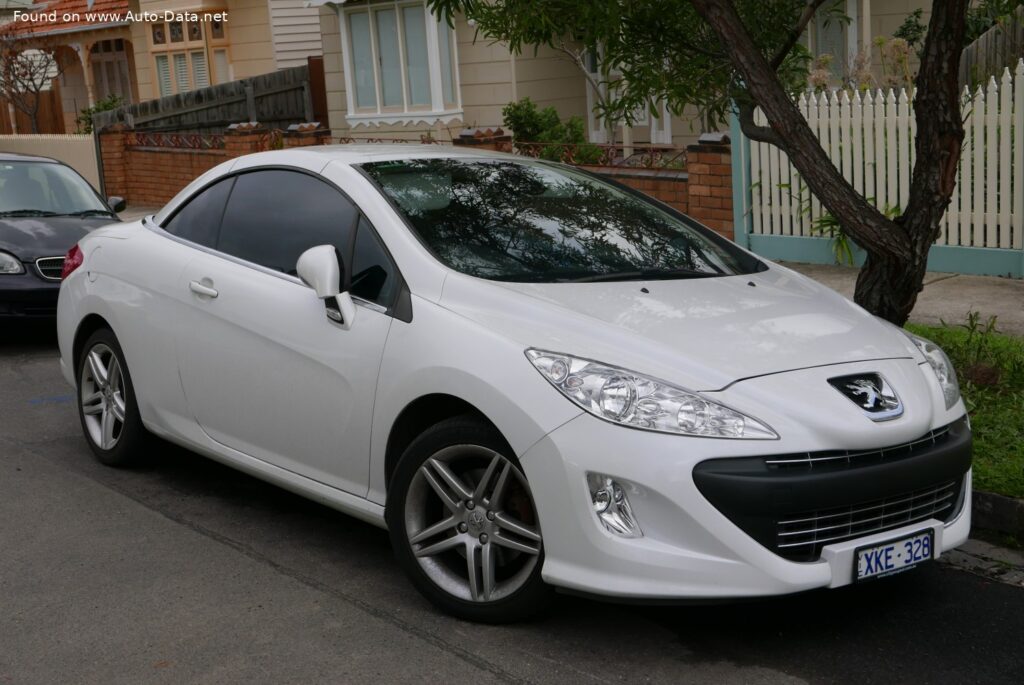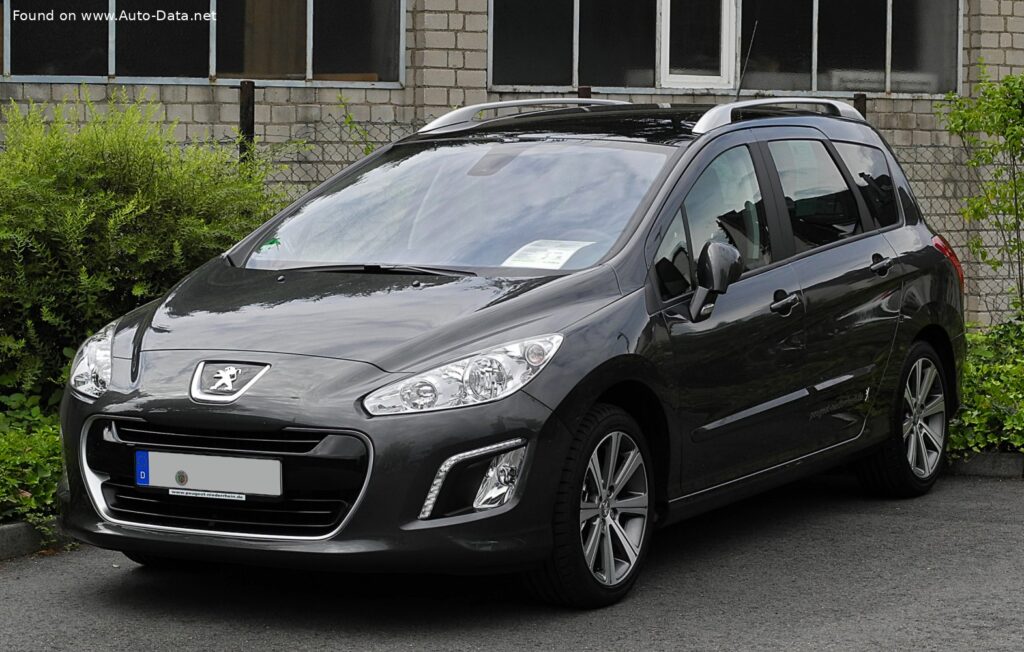
The Peugeot 308 SW I (Phase II, 2011) 2.0 HDI (150 Hp) FAP is a station wagon (estate) that represents a significant update to the first generation 308 SW. Introduced in 2011 and continuing through 2013, this variant was primarily aimed at the European market, where the demand for practical and fuel-efficient wagons remained strong. The “SW” designation within the Peugeot lineup denotes “Station Wagon,” emphasizing its focus on cargo capacity and family usability. This particular model, equipped with the 2.0-liter HDI diesel engine, offered a balance of performance, economy, and practicality, making it a popular choice for those seeking a versatile vehicle.
Peugeot 308 SW I (Phase II): A Detailed Overview
The Phase II update brought styling revisions, improved interior materials, and enhanced equipment levels to the 308 SW. While not officially sold in the United States, the 308 SW competed with vehicles like the Volkswagen Golf Variant and Ford Focus Wagon in Europe. Its design prioritized a blend of contemporary aesthetics and functional space, appealing to buyers who needed a vehicle capable of handling both daily commutes and weekend trips. The 2.0 HDI engine was a mainstay of Peugeot’s diesel offerings, known for its robust reliability and fuel efficiency.
Engine & Performance
The heart of the 308 SW I (Phase II) 2.0 HDI (150 Hp) FAP is a 1997 cc (121.86 cu. in.) inline-four cylinder diesel engine, designated RHE DW10CTED4. This engine produces 150 horsepower at 4000 rpm and a substantial 340 Nm (250.77 lb.-ft.) of torque at 2000 rpm. The engine utilizes a turbocharger with an intercooler to enhance power output and efficiency. Power is delivered to the front wheels via a six-speed manual transmission. Performance figures include a 0-100 km/h (0-62 mph) acceleration time of 9.8 seconds, and a 0-60 mph time of 9.3 seconds, with a maximum speed of 205 km/h (127.38 mph). The “FAP” in the model name indicates the presence of a particulate filter, a key component in meeting Euro 5 emission standards. The engine’s power-to-weight ratio is 10.2 kg/Hp, and the torque-to-weight ratio is 4.5 kg/Nm, contributing to a responsive driving experience.
Design & Features
The 308 SW I (Phase II) is a five-door, five-seat station wagon. Its exterior design features a sloping roofline and a relatively long wheelbase, maximizing interior space. The Phase II updates included revised front and rear fascias, updated headlights, and a redesigned grille. Inside, the cabin offered a practical and functional layout, with a focus on ergonomics and usability. Key features included comfortable seating, a well-designed dashboard, and a range of storage compartments. Safety features, typical for vehicles of this era, included ABS (Anti-lock Braking System) and driver/passenger airbags. The primary selling point of the SW model is its generous cargo capacity. With the rear seats up, the trunk offers 520 liters (18.36 cu. ft.) of space, expanding to a substantial 2149 liters (75.89 cu. ft.) with the rear seats folded down. This makes it a highly practical vehicle for families and those who frequently transport large items.
Technical Specifications
| Brand | Peugeot |
| Model | 308 |
| Generation | 308 SW I (Phase II, 2011) |
| Type (Engine) | 2.0 HDI (150 Hp) FAP |
| Start of production | 2011 |
| End of production | 2013 |
| Powertrain Architecture | Internal Combustion engine |
| Body type | Station wagon (estate) |
| Seats | 5 |
| Doors | 5 |
| Fuel consumption (urban) | 6.9 l/100 km (34.1 US mpg, 40.9 UK mpg, 14.5 km/l) |
| Fuel consumption (extra urban) | 4.4 l/100 km (53.5 US mpg, 64.2 UK mpg, 22.7 km/l) |
| Fuel consumption (combined) | 5.3 l/100 km (44.4 US mpg, 53.3 UK mpg, 18.9 km/l) |
| Fuel Type | Diesel |
| Acceleration 0 – 100 km/h | 9.8 sec |
| Acceleration 0 – 62 mph | 9.8 sec |
| Acceleration 0 – 60 mph | 9.3 sec |
| Maximum speed | 205 km/h (127.38 mph) |
| Emission standard | Euro 5 |
| Weight-to-power ratio | 10.2 kg/Hp |
| Weight-to-torque ratio | 4.5 kg/Nm |
| Power | 150 Hp @ 4000 rpm |
| Torque | 340 Nm @ 2000 rpm (250.77 lb.-ft. @ 2000 rpm) |
| Engine layout | Front, Transverse |
| Engine Model/Code | RHE DW10CTED4 |
| Engine displacement | 1997 cm3 (121.86 cu. in.) |
| Number of cylinders | 4 |
| Engine configuration | Inline |
| Number of valves per cylinder | 4 |
| Fuel injection system | Diesel Commonrail |
| Engine aspiration | Turbocharger, Intercooler |
| Engine oil capacity | 5 l (5.28 US qt | 4.4 UK qt) |
| Coolant capacity | 7.8 l (8.24 US qt | 6.86 UK qt) |
| Kerb Weight | 1525 kg (3362.05 lbs.) |
| Max. weight | 2210 kg (4872.22 lbs.) |
| Max load | 685 kg (1510.17 lbs.) |
| Trunk (boot) space – minimum | 520 l (18.36 cu. ft.) |
| Trunk (boot) space – maximum | 2149 l (75.89 cu. ft.) |
| Fuel tank capacity | 60 l (15.85 US gal | 13.2 UK gal) |
| Length | 4500 mm (177.17 in.) |
| Width | 1815 mm (71.46 in.) |
| Height | 1564 mm (61.57 in.) |
| Wheelbase | 2708 mm (106.61 in.) |
| Minimum turning circle | 11.08 m (36.35 ft.) |
| Drivetrain Architecture | Front wheel drive |
| Number of gears | 6 gears, manual transmission |
| Front suspension | Independent, type McPherson with coil spring and anti-roll bar |
| Rear suspension | Semi-independent, coil spring |
| Front brakes | Ventilated discs |
| Rear brakes | Disc |
| Steering type | Steering rack and pinion |
| Power steering | Electric Steering |
| Tires size | 225/45 R17V; 225/40 R18V |
| Wheel rims size | 17; 18 |
The Peugeot 308 SW I (Phase II) 2.0 HDI (150 Hp) FAP remains a testament to Peugeot’s commitment to building practical, efficient, and stylish vehicles. While not available in the US market, it served as a popular and well-regarded option for European buyers seeking a versatile station wagon.