
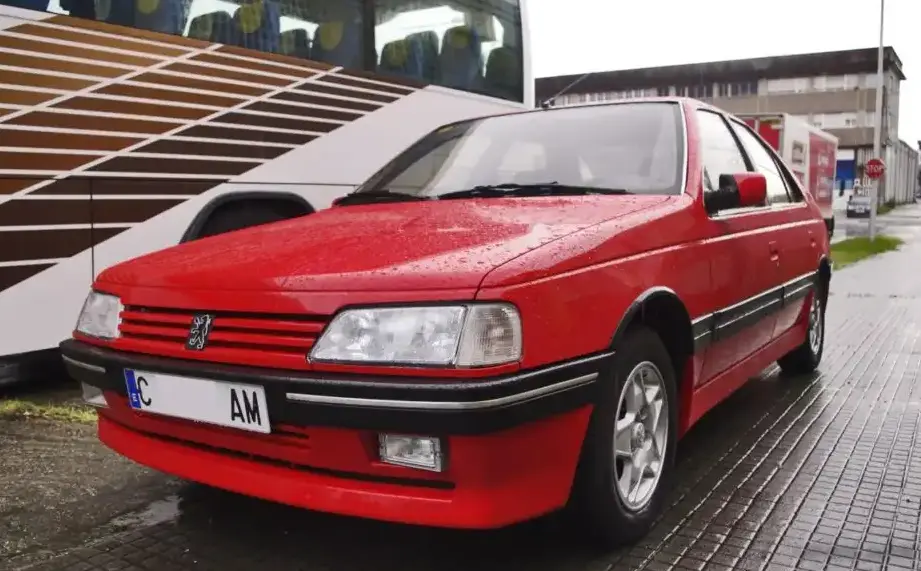
The Peugeot 405 1.9, produced between 1987 and 1992 as part of the 405 I (15B) generation, represented a significant step forward for Peugeot in the mid-size family car segment. Replacing the aging 505, the 405 aimed to blend practicality, comfort, and a degree of sporting flair. The 1.9-liter variant, developing 95 horsepower, occupied a crucial position in the lineup, offering a balance between affordability and acceptable performance for the average family driver. It served as a core model, bridging the gap between the base 1.6-liter engine and the more powerful 2.0-liter options. The 405, designed by Pininfarina, was notable for its sleek, modern styling and relatively spacious interior, making it a popular choice in Europe and other international markets.
Technical Specifications
| Brand | Peugeot |
| Model | 405 |
| Generation | 405 I (15B) |
| Type (Engine) | 1.9 (95 Hp) |
| Start of production | 1987 |
| End of production | 1992 |
| Powertrain Architecture | Internal Combustion engine |
| Body type | Sedan |
| Fuel Type | Petrol (Gasoline) |
| Power | 95 Hp |
| Engine Model/Code | D2C XU92C |
| Engine aspiration | Naturally aspirated engine |
| Engine oil capacity | 4.6 l (4.86 US qt | 4.05 UK qt) |
| Coolant capacity | 6.6 l (6.97 US qt | 5.81 UK qt) |
Powertrain & Engine Architecture
The heart of the 405 1.9 was the XU92C engine, a 1.905cc (116.2 cubic inches) naturally aspirated inline-four cylinder. This engine, designated with the code D2C, was a robust and relatively simple design, known for its durability. It featured a cast iron block and an aluminum cylinder head, employing a single overhead camshaft (SOHC) operating two valves per cylinder. Fuel delivery was managed by Bosch mechanical fuel injection – a system common for the era – providing a balance between efficiency and performance. The XU92C wasn’t a particularly high-revving engine; its peak power of 95 horsepower (71 kW) arrived at 5,500 rpm, while peak torque of 138 Nm (102 lb-ft) was available at 3,500 rpm. The engine was typically paired with a three-speed automatic transmission, although a five-speed manual gearbox was also available. The automatic transmission, while offering convenience, was not known for its particularly quick shifts or fuel efficiency.
Driving Characteristics
The 405 1.9 with the automatic transmission offered a comfortable, if not particularly exhilarating, driving experience. Acceleration was adequate for everyday driving, with a 0-60 mph time estimated around 12-13 seconds. The automatic gearbox, with its relatively wide gear ratios, prioritized smooth cruising over rapid acceleration. The engine felt somewhat strained when pushed hard, particularly when attempting overtaking maneuvers. Compared to the five-speed manual version, the automatic suffered from a noticeable performance deficit due to the power loss through the torque converter and the less-than-optimal gear ratios. The suspension, a conventional MacPherson strut front and torsion beam rear setup, provided a comfortable ride, absorbing bumps and imperfections in the road reasonably well. However, it wasn’t particularly sporty, with noticeable body roll during cornering. Steering was power-assisted, making maneuvering easy, but lacked significant feedback.
Equipment & Trim Levels
The 405 1.9 typically came equipped with a reasonable level of standard features for its time. Base models included central locking, power steering, and cloth upholstery. Higher trim levels, often denoted by suffixes like “GR” (Grand Réglage) or “SR” (Sport Réglage), added features such as electric windows, a sunroof, upgraded interior trim, and alloy wheels. The dashboard layout was functional and straightforward, with clearly labeled controls. Optional extras included air conditioning, a radio/cassette player, and upgraded sound systems. The interior space was generous for a car of its class, offering comfortable seating for five adults. The trunk was also reasonably sized, providing ample space for luggage.
Chassis & Braking
The 405 1.9 utilized a relatively simple chassis design. The front suspension employed MacPherson struts with an anti-roll bar, while the rear suspension featured a torsion beam axle. Braking was typically accomplished with disc brakes on the front wheels and drum brakes on the rear wheels, although some higher-spec models featured disc brakes all around. The braking system was adequate for normal driving conditions, but lacked the stopping power of more modern vehicles. The steering was a rack-and-pinion system with power assistance, providing light and easy steering feel. The 405’s chassis was generally well-balanced, contributing to its comfortable ride and predictable handling.
Market Reception & Comparison
The Peugeot 405 1.9 was generally well-received by automotive critics as a practical and comfortable family car. It was praised for its stylish design, spacious interior, and relatively affordable price. However, the automatic transmission was often criticized for its sluggish performance and lack of refinement. Compared to other cars in its class, such as the Ford Sierra, Vauxhall/Opel Vectra, and Renault 20, the 405 offered a more sophisticated driving experience and a more distinctive design. The 1.9-liter engine provided a good balance between fuel economy and performance, although it wasn’t as economical as the smaller 1.6-liter engine or as powerful as the 2.0-liter options. Fuel economy typically ranged from 28-35 mpg depending on driving conditions.
Legacy
The Peugeot 405, and specifically the 1.9-liter variant, has developed a loyal following among classic car enthusiasts. The XU92C engine is known for its reliability and durability, and with proper maintenance, can provide many years of service. The automatic transmission, while not the most desirable option, is generally reliable, although it may require more frequent servicing than the manual gearbox. Today, well-maintained 405 1.9s are becoming increasingly collectible, particularly those in original condition. Parts availability can be a challenge, but many components are still available through specialist suppliers. The 405 represents a high point in Peugeot’s design and engineering history, and the 1.9 variant remains a popular choice for those seeking a comfortable, stylish, and reliable classic car.
