
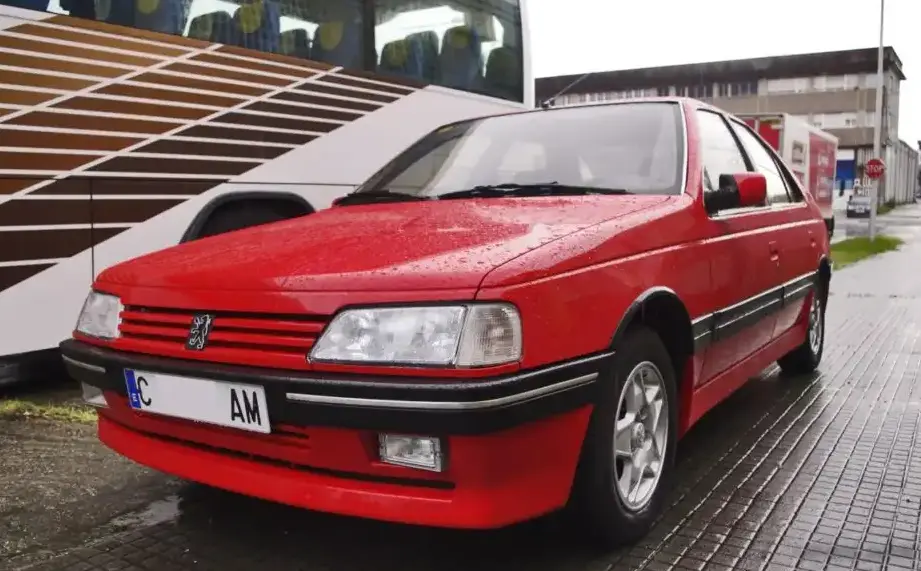
The Peugeot 405, launched in 1987, represented a significant step forward for the French manufacturer, replacing the aging 505. The 405 I (15B) series, produced from 1987 to 1992, was a popular choice in Europe, offering a blend of practicality, comfort, and relatively modern styling. Within the 405 range, the 1.9 Diesel variant, producing 64 horsepower, occupied a crucial position as the entry-level model, appealing to buyers prioritizing fuel economy and durability over outright performance. It was a workhorse intended for high-mileage drivers and those seeking a cost-effective family saloon.
Technical Specifications
| Brand | Peugeot |
| Model | 405 |
| Generation | 405 I (15B) |
| Type (Engine) | 1.9 Diesel (64 Hp) |
| Start of production | 1988 |
| End of production | 1992 |
| Powertrain Architecture | Internal Combustion engine |
| Body type | Sedan |
| Fuel Type | Diesel |
| Power | 64 Hp |
| Engine Model/Code | DJZ XUD9Y |
| Engine aspiration | Naturally aspirated engine |
| Engine oil capacity | 5 l (5.28 US qt | 4.4 UK qt) |
| Coolant capacity | 8 l (8.45 US qt | 7.04 UK qt) |
Powertrain & Engine Architecture
The heart of the 405 1.9 Diesel was the XUD9Y engine, a naturally aspirated, indirect injection diesel engine. This engine, designated DJZ in some markets, was a mainstay of Peugeot and Citroën vehicles throughout the 1980s and 1990s, renowned for its robustness and longevity. The XUD9Y is a 1.9-liter (1898cc) inline-four cylinder engine featuring a cast iron block and an aluminum cylinder head. It utilized a Bosch rotary injection pump, delivering fuel to the pre-combustion chambers. The engine employed a simple SOHC (Single Overhead Camshaft) valvetrain with two valves per cylinder. While not a powerhouse, the XUD9Y was designed for reliability and fuel efficiency, prioritizing torque over peak horsepower. The engine’s relatively low compression ratio (around 23:1) contributed to its durability. The 64 horsepower output was achieved at 4,000 rpm, with a peak torque of approximately 86 lb-ft (117 Nm) available at 1,500 rpm. The transmission paired with this engine was typically a five-speed manual, though a three-speed automatic was also available, albeit less common.
Driving Characteristics
The 405 1.9 Diesel, particularly in its base specification, was not designed for spirited driving. Acceleration was modest, with a 0-60 mph time estimated around 14-16 seconds. The focus was on providing adequate power for everyday driving and long-distance cruising. The engine’s torque characteristics meant that it felt relatively strong at lower speeds, making it suitable for navigating city traffic and tackling inclines. The automatic transmission, when equipped, further smoothed out the driving experience, but at the expense of responsiveness. Gear changes were relatively slow, and the transmission lacked the sophistication of more modern automatics. Compared to the petrol-powered 405 variants (like the 1.6 or 2.0L engines), the diesel offered significantly less power but substantially better fuel economy. The manual transmission versions provided a more engaging driving experience, allowing the driver to better utilize the engine’s torque band. The suspension, while comfortable, was tuned for stability rather than sporty handling.
Equipment & Trim Levels
The 1.9 Diesel 405 typically represented the base trim level. Standard equipment generally included cloth upholstery, basic instrumentation (speedometer, fuel gauge, temperature gauge), and manual windows and door locks. Power steering was often an optional extra, as was air conditioning. The interior was functional and durable, prioritizing practicality over luxury. Dashboard design was relatively simple, with a focus on ease of use. Higher trim levels, available with the petrol engines, offered features such as central locking, electric windows, upgraded upholstery, and a more comprehensive instrument cluster. The 1.9 Diesel often served as a fleet vehicle, so many examples were equipped with minimal options to keep costs down. Optional extras included a sunroof, upgraded audio systems, and alloy wheels.
Chassis & Braking
The 405 I (15B) utilized a MacPherson strut front suspension and a torsion beam rear suspension. This setup provided a good balance between comfort and handling, although it wasn’t particularly sporty. The front brakes were typically disc brakes, while the rear brakes were often drum brakes, particularly on the base models. This configuration was common for vehicles in this price range during the late 1980s and early 1990s. Stabilizer bars were fitted to both the front and rear axles, helping to reduce body roll during cornering. The steering was a recirculating ball system, providing a relatively heavy but precise feel. The chassis was robust and well-built, contributing to the 405’s reputation for durability. The relatively low weight of the diesel engine, compared to the petrol engines, helped to improve handling balance.
Market Reception & Comparison
The Peugeot 405 1.9 Diesel was well-received in Europe as a practical and economical family car. Critics praised its fuel efficiency, durability, and comfortable ride. However, it was often criticized for its lack of performance and relatively basic interior. Compared to other diesel-powered saloons of the time, such as the Volkswagen Jetta Diesel or the Ford Sierra Diesel, the 405 offered a competitive combination of features and price. The Jetta Diesel was often considered more refined, while the Sierra Diesel offered slightly more power. The 405’s fuel economy was generally comparable to its rivals, typically achieving around 45-55 mpg. Reliability was a strong point for the 405 1.9 Diesel, with the XUD9Y engine proving to be exceptionally durable.
Legacy
The Peugeot 405 1.9 Diesel has earned a reputation as a reliable and long-lasting vehicle. Many examples are still on the road today, testament to the robustness of the XUD9Y engine and the overall build quality of the 405. In the used car market, these models are often sought after by those looking for a simple, economical, and dependable vehicle. While not a collector’s item, well-maintained examples command reasonable prices. The XUD9Y engine remains a popular choice for engine swaps and restorations, due to its availability and proven reliability. The 405, in general, is remembered fondly as a stylish and practical family car that helped to establish Peugeot as a major player in the European automotive market. The 1.9 Diesel variant, while not the most glamorous, played a vital role in making the 405 accessible to a wider range of buyers.
