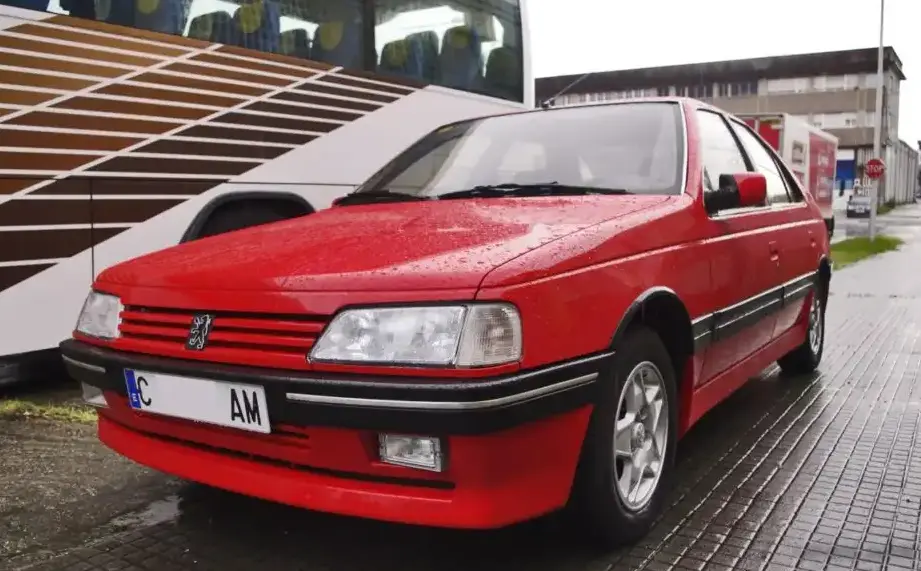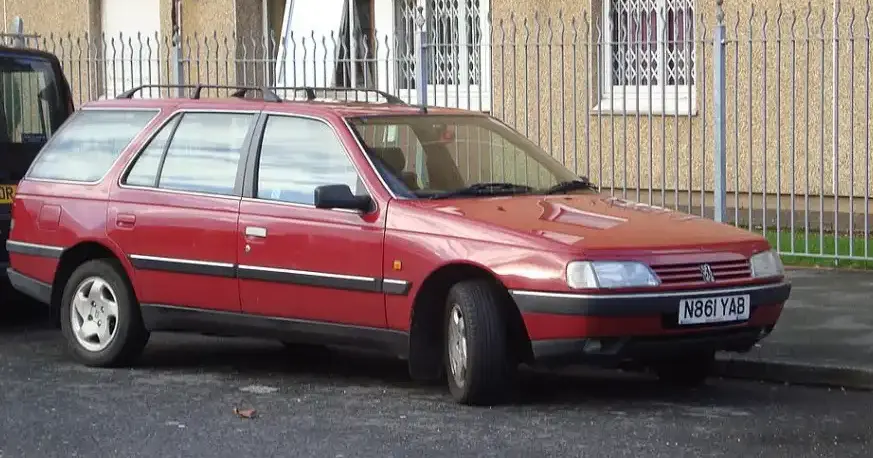
The Peugeot 405 I Break 2.0 (121 hp) 4×4, produced from 1992 to 1996, represents a niche offering within the broader 405 range. This variant, based on the facelifted 15E series, combined the practicality of the 405 Break (estate) body style with a robust four-wheel-drive system and a relatively potent 2.0-liter gasoline engine. Positioned as a premium option, it catered to buyers needing all-weather capability and ample cargo space, particularly in European markets where such vehicles were popular for family use and outdoor activities. The 405 itself was a significant model for Peugeot, replacing the aging 505 and aiming to offer a more modern and competitive vehicle in the mid-size segment.
Technical Specifications
| Brand | Peugeot |
| Model | 405 |
| Generation | 405 I Break (15E, facelift 1992) |
| Type (Engine) | 2.0 (121 Hp) 4×4 |
| Start of production | 1992 |
| End of production | 1996 |
| Powertrain Architecture | Internal Combustion engine |
| Body type | Station wagon (estate) |
| Fuel Type | Petrol (Gasoline) |
| Power | 121 Hp |
| Engine Model/Code | RFX XU10J2C |
| Engine aspiration | Naturally aspirated engine |
| Engine oil capacity | 4.3 l (4.54 US qt | 3.78 UK qt) |
| Coolant capacity | 7 l (7.4 US qt | 6.16 UK qt) |
Powertrain & Engine Architecture
The heart of the 405 Break 2.0 4×4 is the RFX engine, a member of Peugeot’s XU10J2C family. This 1994cc, naturally aspirated inline-four engine features a cast iron block and an aluminum cylinder head. It utilizes a single overhead camshaft (SOHC) valvetrain with two valves per cylinder. Fuel delivery is managed by Bosch Motronic MP1.7 multi-point fuel injection, a relatively sophisticated system for its time, contributing to improved fuel efficiency and reduced emissions compared to earlier carbureted designs. The engine produces 121 horsepower at 5,500 rpm and 132 lb-ft of torque at 3,500 rpm. The four-wheel-drive system is a viscous coupling type, providing automatic engagement of the rear wheels when slip is detected at the front. This system doesn’t offer a locking differential, but provides enhanced traction in slippery conditions. The transmission paired with this engine is a four-speed automatic gearbox, chosen for its ease of use and suitability for family transport, though it does impact overall performance compared to the available five-speed manual.
Driving Characteristics
The 405 Break 2.0 4×4, with its automatic transmission, offers a comfortable and relaxed driving experience. Acceleration is adequate, with a 0-60 mph time estimated around 11-12 seconds. However, the automatic gearbox does detract from the engine’s potential, resulting in a less responsive feel than the manual transmission versions. The four-wheel-drive system provides noticeable improvements in grip, particularly on loose surfaces like gravel or snow. The steering is relatively light and precise, typical of Peugeot’s designs. The suspension, while comfortable, can feel somewhat soft, especially when fully loaded. The automatic transmission’s gear ratios are geared towards fuel economy and smooth cruising rather than outright performance. Compared to the 1.6-liter versions, the 2.0-liter engine provides significantly more power and torque, making it more suitable for long journeys and carrying passengers or cargo. Against the more sporty 1.9 GTI or the diesel variants, the 2.0 4×4 prioritizes practicality and all-weather capability over outright performance.
Equipment & Trim Levels
The 405 Break 2.0 4×4 typically came well-equipped, reflecting its position as a premium variant. Standard features included central locking, electric windows, power steering, and an adjustable steering column. Interior upholstery was typically cloth, with options for velour or leather available. The dashboard layout is functional and straightforward, with clear instrumentation. Air conditioning was a common option, as were features like a sunroof and upgraded audio systems. The Break estate body style itself offered a generous cargo capacity, making it ideal for families or those needing to transport large items. Specific trim levels varied depending on the market, but generally included options for upgraded interior trim, alloy wheels, and additional comfort features.
Chassis & Braking
The 405 Break 2.0 4×4 utilizes a MacPherson strut front suspension and a torsion beam rear suspension. The front suspension incorporates an anti-roll bar to reduce body roll during cornering. The braking system consists of ventilated disc brakes at the front and drum brakes at the rear. While the front discs provide adequate stopping power, the rear drums are a compromise to reduce cost and complexity. The four-wheel-drive system adds weight to the vehicle, which slightly impacts handling and braking performance. The chassis is relatively robust, providing a stable platform for the vehicle. Stabilizer bar thickness is moderate, balancing comfort and handling.
Market Reception & Comparison
The Peugeot 405 Break 2.0 4×4 received generally positive reviews, praised for its practicality, comfort, and all-weather capability. Critics noted the engine’s adequate power and the benefits of the four-wheel-drive system. However, the automatic transmission was sometimes criticized for its lack of responsiveness. Fuel economy was reasonable for a vehicle of its size and type, averaging around 22-26 mpg. Compared to other estate cars with four-wheel drive, such as the Volvo 240 or Subaru Legacy, the 405 offered a more stylish and refined driving experience. The 1.8-liter versions of the 405 Break were more affordable but lacked the power and torque of the 2.0-liter engine. The diesel variants offered better fuel economy but were slower and less refined.
Legacy
The Peugeot 405 Break 2.0 4×4, while not a high-volume seller, has developed a loyal following among enthusiasts. The XU10J2C engine is known for its durability and relatively simple maintenance requirements. The four-wheel-drive system, while not as sophisticated as modern systems, is generally reliable. Today, these vehicles are becoming increasingly rare and sought after by collectors and those looking for a classic French estate car with all-weather capability. Parts availability can be a challenge, but many components are still available through specialist suppliers. The 405 Break 2.0 4×4 represents a unique and appealing combination of practicality, comfort, and style, making it a noteworthy vehicle in Peugeot’s history.