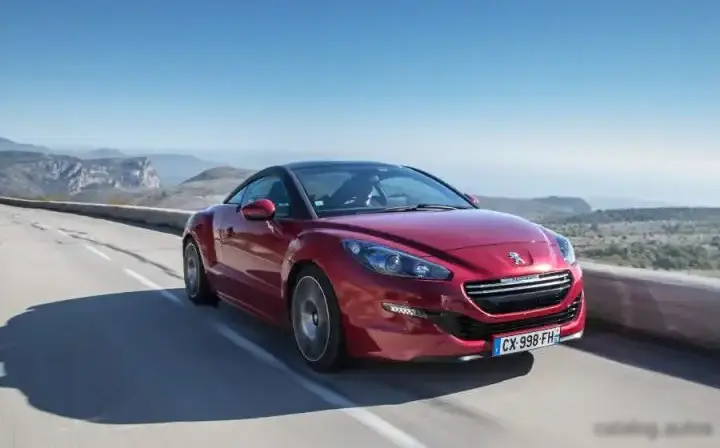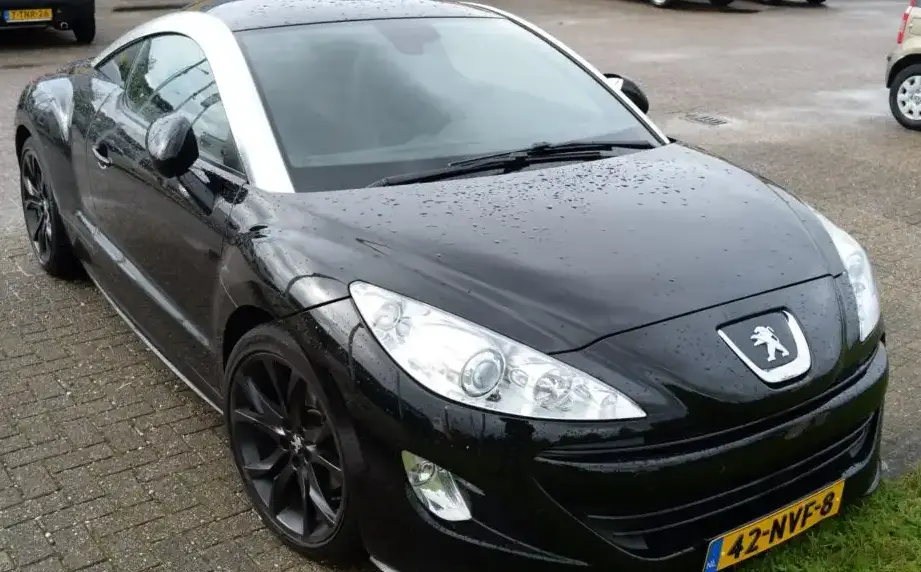
The Peugeot RCZ 1.6 THP, produced from 2010 to 2013, represents a distinctive offering within the Peugeot lineup. This sporty coupe, based on the 207 platform (though heavily modified), aimed to inject a dose of style and performance into the French automaker’s range. The 1.6 THP variant, generating 200 horsepower, occupied a mid-range position within the RCZ family, slotting above the base 1.6 VTi model and below the more focused RCZ R. It was primarily marketed towards drivers seeking a visually appealing and engaging driving experience, blending practicality with a sporty aesthetic.
Technical Specifications
| Brand | Peugeot |
| Model | RCZ |
| Generation | RCZ |
| Type (Engine) | 1.6 THP (200 Hp) |
| Start of production | 2010 |
| End of production | 2013 |
| Powertrain Architecture | Internal Combustion engine |
| Body type | Coupe |
| Seats | 4 |
| Doors | 2 |
| Fuel consumption (urban) | 8.8 l/100 km (26.7 US mpg) |
| Fuel consumption (extra urban) | 5.6 l/100 km (42 US mpg) |
| Fuel consumption (combined) | 6.7 l/100 km (35.1 US mpg) |
| Fuel Type | Petrol (Gasoline) |
| Acceleration 0 – 100 km/h | 7.5 sec |
| Acceleration 0 – 62 mph | 7.5 sec |
| Acceleration 0 – 60 mph | 7.1 sec |
| Maximum speed | 237 km/h (147.26 mph) |
| Emission standard | Euro 5 |
| Weight-to-power ratio | 6.5 kg/Hp |
| Weight-to-torque ratio | 4.7 kg/Nm |
| Power | 200 Hp @ 6800 rpm |
| Torque | 275 Nm @ 1700 rpm (202.83 lb.-ft. @ 1700 rpm) |
| Engine layout | Front, Transverse |
| Engine Model/Code | EP6CDTX |
| Engine displacement | 1598 cm3 (97.52 cu. in.) |
| Number of cylinders | 4 |
| Engine configuration | Inline |
| Number of valves per cylinder | 4 |
| Fuel injection system | Direct injection |
| Engine aspiration | Turbocharger, Intercooler |
| Engine oil capacity | 4.25 l (4.49 US qt | 3.74 UK qt) |
| Coolant capacity | 6.2 l (6.55 US qt | 5.46 UK qt) |
| Kerb Weight | 1297 kg (2859.4 lbs.) |
| Max. weight | 1780 kg (3924.23 lbs.) |
| Max load | 483 kg (1064.83 lbs.) |
| Trunk (boot) space – minimum | 321 l (11.34 cu. ft.) |
| Trunk (boot) space – maximum | 639 l (22.57 cu. ft.) |
| Fuel tank capacity | 55 l (14.53 US gal | 12.1 UK gal) |
| Length | 4290 mm (168.9 in.) |
| Width | 1958 mm (77.09 in.) |
| Height | 1362 mm (53.62 in.) |
| Wheelbase | 2612 mm (102.83 in.) |
| Minimum turning circle | 9.9 m (32.48 ft.) |
| Drivetrain Architecture | Front wheel drive |
| Number of gears | 6 gears, manual transmission |
| Front suspension | Independent type McPherson |
| Rear suspension | Elastic beam |
| Front brakes | Ventilated discs |
| Rear brakes | Disc |
| Assisting systems | ABS (Anti-lock braking system) |
| Steering type | Steering rack and pinion |
| Tires size | 235/45 R18 |
| Wheel rims size | 18 |
Powertrain & Engine Architecture
The heart of the RCZ 1.6 THP is the EP6CDTX engine, a 1.6-liter turbocharged inline-four cylinder. This engine is part of the Prince engine family, a collaborative development between PSA Peugeot Citroën and BMW. The “THP” designation stands for “Turbo High Pressure,” indicating the use of a twin-scroll turbocharger and direct fuel injection. The direct injection system, operating at pressures up to 190 bar, ensures precise fuel delivery and contributes to both performance and efficiency. The engine features a dual overhead camshaft (DOHC) valvetrain with four valves per cylinder, optimizing gas flow. The six-speed manual transmission was standard, providing a direct connection between the engine and the front wheels. The gearbox ratios were tuned to balance acceleration and fuel economy, with a relatively short final drive to enhance responsiveness.
Driving Characteristics
The RCZ 1.6 THP offered a noticeably more engaging driving experience than the base 1.6 VTi model. The turbocharger provides a significant boost in torque, making the car feel lively and responsive, especially in the mid-range. While not a track weapon, the 200 horsepower output and relatively lightweight construction (around 2860 lbs) allowed for a 0-60 mph time of around 7.1 seconds. The manual transmission, while precise, had a slightly heavier clutch feel compared to some competitors. The suspension, tuned for a balance between comfort and handling, provided a reasonably compliant ride on most road surfaces, though it could feel a bit firm on rougher terrain. Compared to the higher-performance RCZ R, the 1.6 THP lacked the R’s more aggressive suspension setup and limited-slip differential, resulting in slightly less cornering grip and a more forgiving driving experience.
Equipment & Trim Levels
The RCZ 1.6 THP typically came well-equipped, reflecting its positioning as a mid-range offering. Standard features included air conditioning, alloy wheels, a leather-wrapped steering wheel, and a CD/MP3 stereo system. Higher trim levels, such as the Sport trim, added features like sport seats, automatic climate control, and parking sensors. Optional extras included a panoramic glass roof, leather upholstery, and a premium sound system. The interior design was driver-focused, with a compact dashboard and supportive seats. The signature “double-bubble” roofline, a defining styling element of the RCZ, contributed to a sporty and unique cabin atmosphere.
Chassis & Braking
The RCZ utilized a McPherson strut front suspension and an elastic beam rear suspension. This setup provided a good balance of handling and ride comfort for a front-wheel-drive coupe. The front brakes were ventilated discs, providing ample stopping power, while the rear brakes were solid discs. Anti-lock Braking System (ABS) was standard. The steering was a rack-and-pinion system, offering precise and responsive control. The standard tire size was 235/45 R18, providing a good compromise between grip and ride quality. The chassis was reinforced compared to the standard 207 to improve rigidity and handling.
Market Reception & Comparison
The Peugeot RCZ 1.6 THP was generally well-received by automotive critics, who praised its striking design and engaging driving experience. However, some reviewers noted the limited rear passenger space and the somewhat compromised practicality of a coupe body style. Compared to rivals like the Volkswagen Scirocco and the Audi TT, the RCZ offered a more distinctive and affordable alternative. Fuel economy was respectable, averaging around 35 mpg in combined driving. Reliability was generally good, though some owners reported minor issues with the turbocharger and the electronic parking brake. The 1.6 THP offered a compelling blend of style, performance, and value, making it a popular choice for buyers seeking a sporty and individualistic coupe.
Legacy
The Peugeot RCZ, and specifically the 1.6 THP variant, has developed a loyal following among enthusiasts. The EP6CDTX engine, while not without its quirks, proved to be a durable and tunable powerplant. Today, well-maintained RCZ 1.6 THP models are becoming increasingly sought after in the used car market, particularly by those who appreciate their unique styling and engaging driving dynamics. While not a high-volume seller, the RCZ left a lasting impression on the automotive landscape, demonstrating Peugeot’s ability to create stylish and desirable vehicles.