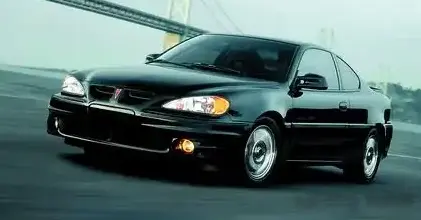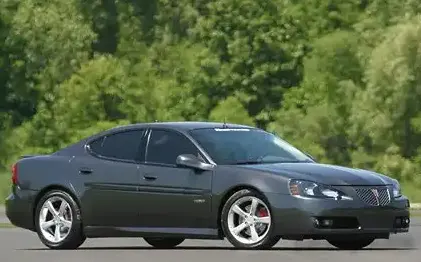
The Pontiac Grand Prix GTP, specifically the 3.8 i V6 12V variant produced between 2003 and 2008, represented the performance-oriented pinnacle of the ninth-generation Grand Prix (IX). Positioned as the top-tier trim, the GTP aimed to deliver a blend of sporty handling and robust power within the American large sedan segment. This model year marked a significant shift for the Grand Prix, moving away from its traditional rear-wheel-drive roots to a front-wheel-drive platform shared with other General Motors vehicles, notably the Chevrolet Impala and Buick Regal. The 3.8L GTP was intended to appeal to drivers seeking a more engaging driving experience than the base models offered, while still providing the comfort and practicality expected of a family sedan.
Technical Specifications
| Brand | Pontiac |
| Model | Grand Prix |
| Generation | Grand Prix (IX) |
| Type (Engine) | 3.8 i V6 12V GTP (263 Hp) |
| Start of production | January, 2003 |
| End of production | April, 2008 |
| Powertrain Architecture | Internal Combustion engine |
| Body type | Sedan |
| Seats | 5 |
| Doors | 4 |
| Fuel consumption (urban) | 11.8 l/100 km (19.9 US mpg) |
| Fuel consumption (extra urban) | 7.9 l/100 km (29.8 US mpg) |
| Fuel Type | Petrol (Gasoline) |
| Acceleration 0 – 100 km/h | 6.6 sec |
| Acceleration 0 – 62 mph | 6.6 sec |
| Acceleration 0 – 60 mph | 6.3 sec |
| Maximum speed | 203 km/h (126.14 mph) |
| Weight-to-power ratio | 6.1 kg/Hp |
| Weight-to-torque ratio | 4.3 kg/Nm |
| Power | 263 Hp @ 5200 rpm |
| Power per litre | 69.4 Hp/l |
| Torque | 380 Nm @ 3600 rpm (280.27 lb.-ft. @ 3600 rpm) |
| Engine layout | Front, Transverse |
| Engine Model/Code | L32 |
| Engine displacement | 3791 cm3 (231.34 cu. in.) |
| Number of cylinders | 6 |
| Engine configuration | V-engine |
| Cylinder Bore | 96.5 mm (3.8 in.) |
| Piston Stroke | 86.4 mm (3.4 in.) |
| Compression ratio | 8.5:1 |
| Number of valves per cylinder | 2 |
| Fuel injection system | Multi-port manifold injection |
| Engine aspiration | Naturally aspirated engine |
| Engine oil capacity | 4.3 l (4.54 US qt | 3.78 UK qt) |
| Coolant | 10.6 l (11.2 US qt | 9.33 UK qt) |
| Kerb Weight | 1615 kg (3560.47 lbs.) |
| Trunk (boot) space – minimum | 454 l (16.03 cu. ft.) |
| Fuel tank capacity | 64 l (16.91 US gal | 14.08 UK gal) |
| Length | 5037 mm (198.31 in.) |
| Width | 1819 mm (71.61 in.) |
| Height | 1420 mm (55.91 in.) |
| Wheelbase | 2807 mm (110.51 in.) |
| Front track | 1565 mm (61.61 in.) |
| Rear (Back) track | 1545 mm (60.83 in.) |
| Drivetrain Architecture | Front wheel drive |
| Number of gears and type of gearbox | 4 gears, automatic transmission |
| Front suspension | Spring Strut |
| Rear suspension | Spring Strut |
| Front brakes | Ventilated discs |
| Rear brakes | Disc |
| Assisting systems | ABS (Anti-lock braking system) |
| Steering type | Steering rack and pinion |
| Tires size | 225/55 R17 |
| Wheel rims size | 5J x 17 |
Powertrain & Engine Architecture
The heart of the Grand Prix GTP was the 3.8-liter (3791 cc) L32 V6 engine. This engine, a member of GM’s robust 3800 Series II V6 family, featured a 90-degree V-angle and a 12-valve (two valves per cylinder) configuration. The L32 utilized multi-port fuel injection and a naturally aspirated design, producing 263 horsepower at 5200 rpm and 280 lb-ft of torque at 3600 rpm. The engine’s design prioritized smooth power delivery and reliability over outright peak performance. The 4T65E four-speed automatic transmission was the sole transmission option for the GTP. This transmission was known for its relatively smooth shifts, but it wasn’t particularly advanced compared to some contemporary automatic transmissions offering more gears. The transmission was tuned to complement the engine’s torque curve, providing adequate acceleration without feeling overly sporty or aggressive.
Driving Characteristics
The 263 hp and 280 lb-ft of torque provided by the 3.8L V6 and 4T65E automatic transmission combination resulted in a 0-60 mph time of around 6.3 seconds, making it a reasonably quick sedan for its time. However, the front-wheel-drive layout and the four-speed automatic limited its overall performance potential compared to rear-wheel-drive rivals or Grand Prix models equipped with a manual transmission (which were not offered with the GTP engine). The automatic transmission’s gear ratios were geared towards comfortable cruising rather than aggressive acceleration. The GTP offered a comfortable ride quality, thanks to its suspension tuning, but it wasn’t as sharp-handling as some European sports sedans. The steering was precise but lacked significant feedback.
Equipment & Trim Levels
The Grand Prix GTP came standard with a generous array of features. Interior appointments included leather upholstery, power-adjustable front seats, and a premium sound system. Standard exterior features included alloy wheels, a rear spoiler, and fog lights. Optional extras included a sunroof, upgraded audio systems, and a navigation system. The GTP trim was visually distinguished by its unique grille, body-colored side moldings, and dual exhaust outlets. The interior typically featured a dark color scheme with metallic accents.
Chassis & Braking
The Grand Prix GTP utilized an independent front suspension with coil springs and a multi-link rear suspension. The suspension was tuned for a balance between ride comfort and handling. The braking system consisted of ventilated disc brakes at the front and solid disc brakes at the rear. Anti-lock brakes (ABS) were standard. The GTP’s chassis was designed to provide a stable and predictable driving experience, but it wasn’t particularly lightweight. The standard tire size was 225/55R17, providing a good balance of grip and ride comfort.
Market Reception & Comparison
The Grand Prix GTP was generally well-received by automotive critics, who praised its powerful engine, comfortable ride, and generous features. However, some critics noted the limitations of the front-wheel-drive layout and the four-speed automatic transmission. Compared to the base Grand Prix models, the GTP offered a significant performance upgrade and a more luxurious interior. Compared to the 3.8L non-GTP models, the GTP offered a noticeable power increase and sportier styling. Fuel economy was respectable for a V6-powered sedan of its size, averaging around 19 mpg in the city and 29 mpg on the highway.
Legacy
The Pontiac Grand Prix GTP 3.8L V6 remains a popular choice among enthusiasts seeking an affordable and reliable performance sedan. The L32 engine is known for its durability and relatively simple maintenance requirements. While the 4T65E transmission can be prone to issues if not properly maintained, it is generally considered a reliable unit. Today, well-maintained examples of the Grand Prix GTP can be found at reasonable prices on the used car market, making them an attractive option for those looking for a comfortable and capable American sedan with a touch of performance.