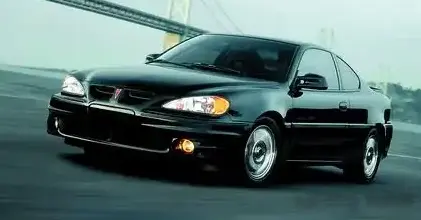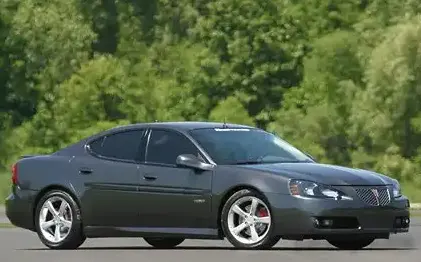
The Pontiac Grand Prix IX, specifically the 5.3i V8 GXP variant, represented the pinnacle of performance for the ninth generation of the Grand Prix, produced between 2006 and April 2008. Positioned as the flagship trim, the GXP aimed to deliver a sporty driving experience within the large American sedan segment. It was a late-model attempt to inject excitement into the Grand Prix lineage before the model was discontinued, leveraging a potent V8 engine and a focus on performance-oriented features. The GXP occupied the top tier of the Grand Prix lineup, above the base and mid-range trims, appealing to buyers seeking a blend of comfort and power.
Technical Specifications
| Brand | Pontiac |
| Model | Grand Prix |
| Generation | Grand Prix (IX) |
| Type (Engine) | 5.3 i V8 GXP (307 Hp) |
| Start of production | 2006 |
| End of production | April, 2008 |
| Powertrain Architecture | Internal Combustion engine |
| Body type | Sedan |
| Seats | 5 |
| Doors | 4 |
| Fuel consumption (urban) | 13.1 l/100 km (18 US mpg, 21.6 UK mpg) |
| Fuel consumption (extra urban) | 8.4 l/100 km (28 US mpg, 33.6 UK mpg) |
| Fuel Type | Petrol (Gasoline) |
| Weight-to-power ratio | 5.5 kg/Hp, 182.7 Hp/tonne |
| Weight-to-torque ratio | 3.8 kg/Nm, 260.7 Nm/tonne |
| Power | 307 Hp @ 5600 rpm |
| Power per litre | 57.6 Hp/l |
| Torque | 438 Nm @ 4000 rpm (323.05 lb.-ft. @ 4000 rpm) |
| Engine layout | Front, Transverse |
| Engine Model/Code | LS4 |
| Engine displacement | 5327 cm3 (325.07 cu. in.) |
| Number of cylinders | 8 |
| Engine configuration | V-engine |
| Cylinder Bore | 96 mm (3.78 in.) |
| Piston Stroke | 92 mm (3.62 in.) |
| Compression ratio | 10:1 |
| Number of valves per cylinder | 2 |
| Fuel injection system | Multi-port manifold injection |
| Engine aspiration | Naturally aspirated engine |
| Engine oil capacity | 5.7 l (6.02 US qt | 5.02 UK qt) |
| Kerb Weight | 1680 kg (3703.77 lbs.) |
| Trunk (boot) space – minimum | 454 l (16.03 cu. ft.) |
| Trunk (boot) space – maximum | 1614 l (57 cu. ft.) |
| Fuel tank capacity | 64 l (16.91 US gal | 14.08 UK gal) |
| Length | 5037 mm (198.31 in.) |
| Width | 1819 mm (71.61 in.) |
| Height | 1420 mm (55.91 in.) |
| Wheelbase | 2807 mm (110.51 in.) |
| Front track | 1565 mm (61.61 in.) |
| Rear (Back) track | 1545 mm (60.83 in.) |
| Drivetrain Architecture | The Internal combustion engine (ICE) drives the front wheels of the vehicle. |
| Drive wheel | Front wheel drive |
| Number of gears and type of gearbox | 4 gears, automatic transmission |
| Front suspension | Spring Strut |
| Rear suspension | Spring Strut |
| Front brakes | Ventilated discs |
| Rear brakes | Disc |
| Assisting systems | ABS (Anti-lock braking system) |
| Steering type | Steering rack and pinion |
| Tires size | 225/45 R18 |
Powertrain & Engine Architecture
The heart of the Grand Prix GXP was the LS4 5.3-liter V8 engine. This engine, part of General Motors’ LS series, was a robust and relatively lightweight all-aluminum block V8. It featured a 90-degree V-angle, two valves per cylinder, and a multi-port fuel injection system. The LS4 produced 307 horsepower at 5600 rpm and 323 lb-ft of torque at 4000 rpm. The engine’s aluminum construction contributed to a favorable weight distribution, aiding in handling. The engine was transversely mounted, a configuration common in front-wheel-drive vehicles. The GXP was exclusively paired with a four-speed automatic transmission (4T65E), chosen for its durability and suitability for everyday driving. While not the most advanced transmission available at the time, it provided smooth shifts and adequate performance for the engine’s output.
Driving Characteristics
The 5.3L V8 and four-speed automatic combination delivered a noticeable performance boost compared to the lower-trim Grand Prix models. Acceleration was brisk, with the GXP capable of reaching 60 mph in around 6 seconds. The automatic transmission, while smooth, wasn’t particularly quick-shifting, and the four-gear ratio limited the engine’s ability to stay in its optimal power band during aggressive driving. Compared to a hypothetical manual transmission version, the automatic sacrificed some responsiveness. However, it provided a more relaxed driving experience, particularly in city traffic. The front-wheel-drive layout, while common for the platform, meant that all the power was directed through the front wheels, which could lead to some torque steer under hard acceleration.
Equipment & Trim Levels
The GXP trim came standard with a number of features designed to enhance both comfort and performance. These included leather upholstery, sport seats, a premium sound system, and unique exterior styling cues such as a mesh grille, a rear spoiler, and 18-inch alloy wheels. Optional extras included a sunroof, navigation system, and upgraded audio options. The interior featured a monochromatic color scheme with metallic accents, aiming for a more upscale feel. The GXP also benefited from a stiffer suspension tuning compared to other Grand Prix models, further enhancing its handling capabilities.
Chassis & Braking
The Grand Prix GXP utilized a front-wheel-drive platform with an independent front suspension and a multi-link rear suspension. The suspension was tuned for a balance between ride comfort and handling performance. The GXP featured larger ventilated disc brakes at the front and solid discs at the rear, providing adequate stopping power for the vehicle’s weight and performance. Anti-lock brakes (ABS) were standard. The steering system was a rack-and-pinion setup, offering precise and responsive steering feel. The tires, typically 225/45R18, provided good grip in both dry and wet conditions.
Market Reception & Comparison
The Grand Prix GXP was generally well-received by automotive critics, who praised its powerful V8 engine and sporty handling. However, some reviewers noted that the four-speed automatic transmission felt dated compared to the five- or six-speed automatics offered in competing vehicles. Fuel economy was also a concern, with the GXP achieving around 18 mpg in the city and 28 mpg on the highway. Compared to other trims, the GXP offered significantly more performance but at a higher price point. The base and mid-range Grand Prix models, with their V6 engines, provided better fuel economy and were more affordable, appealing to a broader range of buyers.
Legacy
The Pontiac Grand Prix GXP, while a relatively short-lived model, has gained a following among enthusiasts. The LS4 V8 engine is known for its reliability and potential for modification. The GXP’s combination of power, comfort, and relatively affordable price has made it a popular choice in the used car market. While the four-speed automatic transmission is a limitation, the engine’s robust construction and readily available aftermarket support make it a compelling option for those seeking a powerful and distinctive American sedan. The GXP represents a final, spirited chapter in the Grand Prix’s history, offering a glimpse of what could have been had Pontiac continued to invest in performance models.