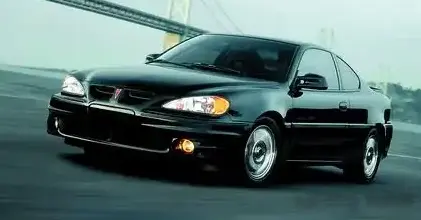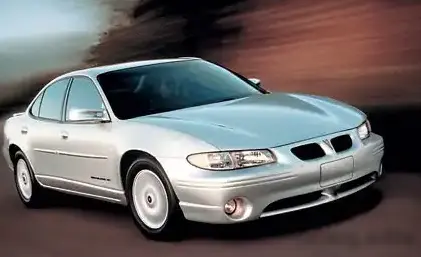
The Pontiac Grand Prix VI, produced from 1996 to 2003, represented the sixth generation of Pontiac’s popular mid-size sedan. The 3.1i V6 SE variant, equipped with a 177 horsepower engine and a four-speed automatic transmission, occupied a middle ground within the Grand Prix lineup, offering a balance between performance and affordability. This generation, internally designated as the “W” body, was a significant update, sharing its platform with other GM vehicles like the Chevrolet Lumina and Buick Regal. The Grand Prix VI aimed to appeal to a broader audience with its more contemporary styling and improved interior compared to its predecessor.
Technical Specifications
| Brand | Pontiac |
| Model | Grand Prix |
| Generation | Grand Prix VI (W) |
| Type (Engine) | 3.1 i V6 SE (177 Hp) |
| Start of production | 1996 |
| End of production | 2003 |
| Powertrain Architecture | Internal Combustion engine |
| Body type | Sedan |
| Seats | 5 |
| Doors | 4 |
| Fuel consumption (urban) | 11.8 l/100 km (19.9 US mpg) |
| Fuel consumption (extra urban) | 8.1 l/100 km (29 US mpg) |
| Fuel Type | Petrol (Gasoline) |
| Maximum speed | 175 km/h (108.74 mph) |
| Weight-to-power ratio | 8.8 kg/Hp |
| Weight-to-torque ratio | 6.2 kg/Nm |
| Power | 177 Hp @ 5200 rpm |
| Power per litre | 56.5 Hp/l |
| Torque | 251 Nm @ 4000 rpm (185.13 lb.-ft. @ 4000 rpm) |
| Engine layout | Front, Transverse |
| Engine Model/Code | LG8 |
| Engine displacement | 3135 cm3 (191.31 cu. in.) |
| Number of cylinders | 6 |
| Engine configuration | V-engine |
| Cylinder Bore | 89 mm (3.5 in.) |
| Piston Stroke | 84 mm (3.31 in.) |
| Compression ratio | 9.4:1 |
| Number of valves per cylinder | 2 |
| Fuel injection system | Multi-port manifold injection |
| Engine aspiration | Naturally aspirated engine |
| Engine oil capacity | 4.3 l (4.54 US qt | 3.78 UK qt) |
| Coolant | 10.42 l (11.01 US qt | 9.17 UK qt) |
| Kerb Weight | 1565 kg (3450.23 lbs.) |
| Trunk (boot) space – minimum | 454 l (16.03 cu. ft.) |
| Fuel tank capacity | 68 l (17.96 US gal | 14.96 UK gal) |
| Length | 4991 mm (196.5 in.) |
| Width | 1847 mm (72.72 in.) |
| Height | 1390 mm (54.72 in.) |
| Wheelbase | 2807 mm (110.51 in.) |
| Front track | 1567 mm (61.69 in.) |
| Rear (Back) track | 1554 mm (61.18 in.) |
| Drivetrain Architecture | Front wheel drive |
| Number of gears and type of gearbox | 4 gears, automatic transmission |
| Front suspension | Spring Strut |
| Rear suspension | Double wishbone |
| Front brakes | Ventilated discs |
| Rear brakes | Disc |
| Assisting systems | ABS (Anti-lock braking system) |
| Steering type | Steering rack and pinion |
| Power steering | Hydraulic Steering |
| Tires size | 205/70 R15 |
Powertrain & Engine Architecture
The heart of the Grand Prix 3.1i SE was the LG8 3.1-liter (191 cubic inch) V6 engine. This engine was a descendant of GM’s long-running 3100 V6 family, known for its durability and relatively simple design. It featured a 90-degree V-angle, two valves per cylinder, and a multi-port fuel injection system. The LG8 produced 177 horsepower at 5200 rpm and 251 Nm (185 lb-ft) of torque at 4000 rpm. The engine’s 9.4:1 compression ratio was a compromise between performance and the ability to run on regular unleaded gasoline. The four-speed 4T60 automatic transmission was standard, offering smooth shifts but lacking the responsiveness of a manual gearbox. This transmission was electronically controlled, adapting shift points based on throttle position and vehicle speed.
Driving Characteristics
The 3.1i V6 automatic Grand Prix offered adequate, but not exhilarating, performance. Acceleration from 0 to 60 mph typically took around 9-10 seconds. The automatic transmission, while comfortable, resulted in some power loss compared to the available manual transmission. The gear ratios were tuned for fuel efficiency and smooth cruising rather than aggressive acceleration. In real-world driving, the 3.1i felt most comfortable during highway cruising, where the engine had sufficient power for passing maneuvers. The front-wheel-drive configuration provided predictable handling, but the car wasn’t particularly sporty. Compared to the higher-performance Grand Prix GTP with its supercharged 3800 V6, the 3.1i felt significantly less powerful.
Equipment & Trim Levels
The Grand Prix 3.1i SE trim level offered a good balance of features. Standard equipment typically included air conditioning, power windows and locks, a CD player, and cloth upholstery. Optional extras included a sunroof, upgraded sound system, leather seats, and alloy wheels. The interior design was functional and relatively spacious, although the materials used were generally of average quality. The dashboard layout was straightforward and easy to use. The SE trim aimed to provide a comfortable and well-equipped vehicle without the higher price tag of the GTP or GT models.
Chassis & Braking
The Grand Prix VI utilized a front-wheel-drive chassis with independent front suspension featuring coil springs and a strut design. The rear suspension employed a multi-link setup with coil springs. This configuration provided a comfortable ride, but wasn’t particularly focused on handling precision. The braking system consisted of ventilated discs on the front wheels and solid discs on the rear. Anti-lock brakes (ABS) were standard, enhancing safety. The steering was rack-and-pinion with hydraulic power assist, providing light and easy steering feel. The standard tire size was 205/70R15, offering a good compromise between ride comfort and handling.
Market Reception & Comparison
The Grand Prix 3.1i SE was generally well-received by critics as a practical and affordable mid-size sedan. It was praised for its comfortable ride, spacious interior, and reasonable fuel economy (around 19-29 mpg depending on driving conditions). However, it was often criticized for its lack of sporty handling and its relatively uninspired engine. Compared to the more powerful Grand Prix GTP, the 3.1i offered significantly less performance. However, it was more fuel-efficient and less expensive to maintain. The 3.1i also offered a more affordable alternative to competitors like the Ford Taurus and Honda Accord.
Legacy
The Pontiac Grand Prix 3.1i V6 SE, while not a performance icon, proved to be a reliable and durable vehicle. The LG8 3.1-liter V6 engine is known for its longevity, and with proper maintenance, can last for many years. In the used car market, these Grand Prix models are often sought after for their affordability and practicality. While they may not offer the excitement of higher-performance trims, they provide a comfortable and dependable transportation option. Parts availability remains good, making maintenance relatively straightforward. The Grand Prix VI, in all its trims, represents a significant chapter in Pontiac’s history, and the 3.1i SE variant remains a popular choice for budget-conscious buyers.