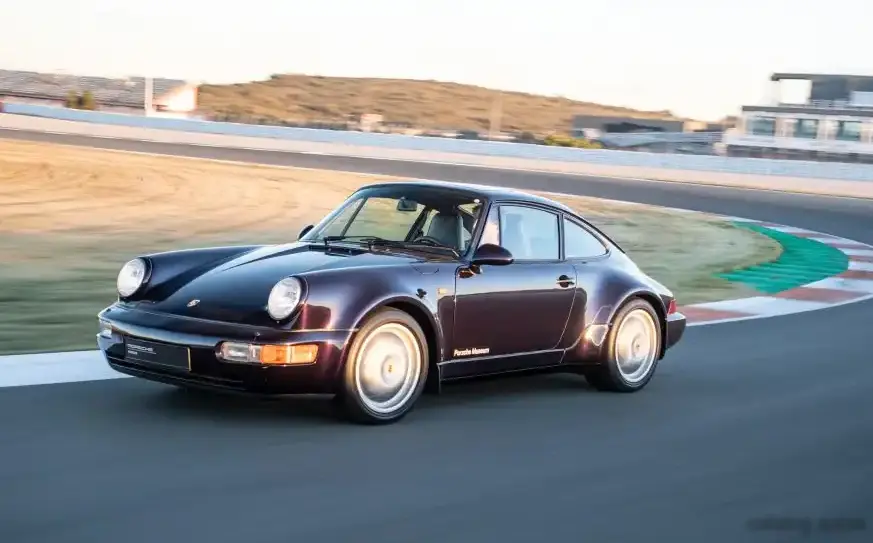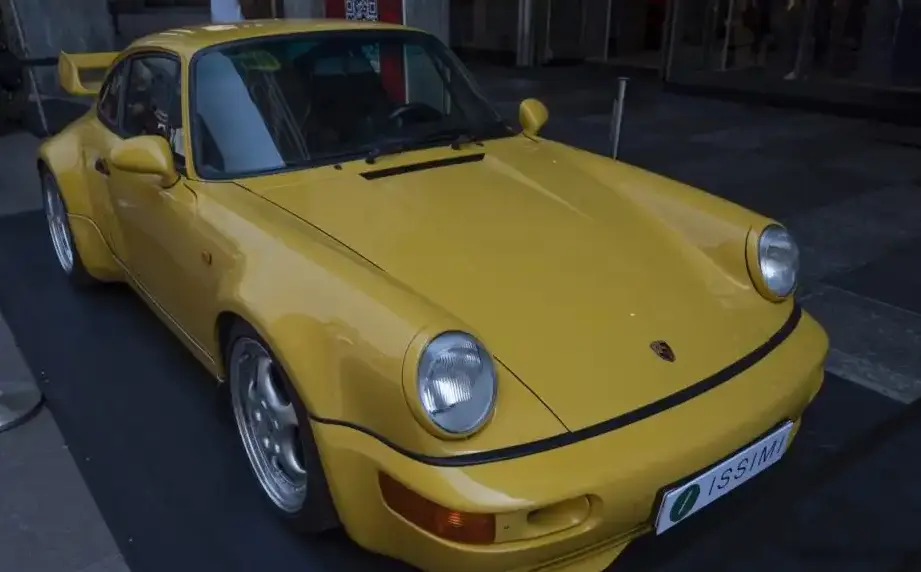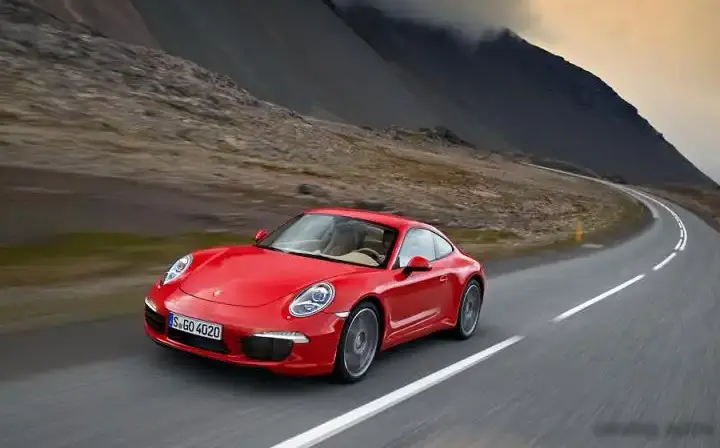
The Porsche 911 Carrera 4 GTS 3.8 (430 Hp) PDK, produced from 2014 to 2015, represents a compelling blend of performance and all-weather capability within the broader 991 generation of the iconic 911. Positioned as a high-performance variant of the Carrera 4, the GTS model bridged the gap between the standard Carrera models and the more track-focused GT3. It was offered exclusively as a coupe during these model years, catering to enthusiasts seeking a more engaging driving experience without sacrificing everyday usability. The “PDK” designation indicates Porsche’s dual-clutch transmission, a key component of the car’s performance profile.
Technical Specifications
| Brand | Porsche |
| Model | 911 |
| Generation | 911 (991) |
| Type (Engine) | Carrera 4 GTS 3.8 (430 Hp) PDK |
| Start of production | 2014 |
| End of production | 2015 |
| Powertrain Architecture | Internal Combustion engine |
| Body type | Coupe |
| Seats | 4 |
| Doors | 2 |
| Fuel consumption (economy) – urban | 12.5 l/100 km (18.8 US mpg, 22.6 UK mpg, 8 km/l) |
| Fuel consumption (economy) – extra urban | 7.1 l/100 km (33.1 US mpg, 39.8 UK mpg, 14.1 km/l) |
| Fuel consumption (economy) – combined | 9.1 l/100 km (25.8 US mpg, 31 UK mpg, 11 km/l) |
| CO2 emissions | 212 g/km |
| Fuel Type | Petrol (Gasoline) |
| Acceleration 0 – 100 km/h | 4 sec |
| Acceleration 0 – 62 mph | 4 sec |
| Acceleration 0 – 60 mph | 3.8 sec |
| Maximum speed | 302 km/h (187.65 mph) |
| Emission standard | Euro 6 |
| Weight-to-power ratio | 3.5 kg/Hp, 288.6 Hp/tonne |
| Weight-to-torque ratio | 3.4 kg/Nm, 295.3 Nm/tonne |
| Power | 430 Hp @ 7500 rpm |
| Power per litre | 113.2 Hp/l |
| Torque | 440 Nm @ 5750 rpm (324.53 lb.-ft. @ 5750 rpm) |
| Engine layout | Rear, Longitudinal |
| Engine Model/Code | MA1.01 |
| Engine displacement | 3800 cm3 (231.89 cu. in.) |
| Number of cylinders | 6 |
| Engine configuration | Boxer |
| Cylinder Bore | 102 mm (4.02 in.) |
| Piston Stroke | 77.5 mm (3.05 in.) |
| Compression ratio | 12.5:1 |
| Number of valves per cylinder | 4 |
| Fuel injection system | Direct injection |
| Engine aspiration | Naturally aspirated engine |
| Engine oil capacity | 7.5 l (7.93 US qt | 6.6 UK qt) |
| Coolant | 26.3 l (27.79 US qt | 23.14 UK qt) |
| Kerb Weight | 1490 kg (3284.89 lbs.) |
| Max. weight | 1895 kg (4177.76 lbs.) |
| Max load | 405 kg (892.87 lbs.) |
| Trunk (boot) space – minimum | 385 l (13.6 cu. ft.) |
| Fuel tank capacity | 68 l (17.96 US gal | 14.96 UK gal) |
| Length | 4509 mm (177.52 in.) |
| Width | 1852 mm (72.91 in.) |
| Height | 1296 mm (51.02 in.) |
| Wheelbase | 2450 mm (96.46 in.) |
| Front track | 1538 mm (60.55 in.) |
| Rear (Back) track | 1560 mm (61.42 in.) |
| Drag coefficient (Cd) | 0.30 |
| Drive wheel | All wheel drive (4×4) |
| Number of gears and type of gearbox | 7 gears, automatic transmission PDK |
| Front suspension | Independent type McPherson |
| Rear suspension | Independent multi-link suspension |
| Front brakes | Ventilated discs |
| Rear brakes | Ventilated discs |
| Assisting systems | ABS (Anti-lock braking system) |
| Steering type | Steering rack and pinion |
| Tires size | 245/35 ZR20; 305/30 ZR20 |
| Wheel rims size | 9J x 20; 11.5J x 20 |
INTRODUCTION
The 991.2 generation Carrera 4 GTS, produced for a relatively short period, built upon the foundation of the 991.1 with a series of enhancements focused on performance and driver engagement. The “4” designation signifies Porsche’s all-wheel-drive system, providing enhanced traction and stability, particularly in inclement weather. The GTS variant distinguished itself through a more powerful engine, a sportier suspension setup, and unique styling cues. It occupied a niche between the standard Carrera 4 and the more hardcore, track-oriented GT3, appealing to drivers who desired a high-performance 911 suitable for both road and occasional track use.
Powertrain & Engine Architecture
At the heart of the Carrera 4 GTS PDK lies the MA1.01 3.8-liter flat-six engine. This engine, a naturally aspirated powerplant, benefits from direct fuel injection and a high 12.5:1 compression ratio. The engine produces 430 horsepower at 7,500 rpm and 440 Nm (324.53 lb-ft) of torque at 5,750 rpm. The engine’s boxer configuration, with horizontally opposed cylinders, contributes to a low center of gravity, enhancing handling. The PDK transmission is a seven-speed dual-clutch unit, offering incredibly fast and smooth gear changes. Unlike a traditional automatic, the PDK features two separate clutches, one for even-numbered gears and one for odd-numbered gears, allowing for near-instantaneous shifts. The transmission can be operated in both automatic and manual modes, with paddle shifters mounted on the steering wheel for driver control.
Driving Characteristics
The Carrera 4 GTS PDK delivers a thrilling driving experience. The combination of all-wheel drive and the PDK transmission results in impressive acceleration – 0 to 60 mph in approximately 3.8 seconds. The all-wheel-drive system provides excellent traction, allowing the car to put its power down effectively, even on less-than-ideal surfaces. Compared to the standard Carrera 4, the GTS feels noticeably more responsive and engaging. The sportier suspension, featuring stiffer springs and dampers, reduces body roll and improves handling precision. While the PDK transmission offers convenience and speed, some purists prefer the more direct connection offered by the available seven-speed manual transmission. The GTS strikes a balance between performance and usability, making it a rewarding daily driver as well as a capable track car.
Equipment & Trim Levels
The Carrera 4 GTS came standard with a generous array of equipment. Interior features included sport seats with enhanced bolstering, a sport steering wheel, and partial leather upholstery. Standard exterior features included unique GTS-specific front and rear fascias, blacked-out wheels, and a sport exhaust system. Optional extras were plentiful, allowing buyers to personalize their vehicles. Popular options included full leather interiors, carbon fiber trim, the Porsche Dynamic Lighting System (PDLS), and various infotainment upgrades. The GTS also benefited from the Porsche Active Suspension Management (PASM) system, which allowed drivers to adjust the suspension stiffness to suit their preferences.
Chassis & Braking
The 991 Carrera 4 GTS utilizes an independent suspension system at all four corners. The front suspension employs McPherson struts, while the rear features a multi-link setup. The GTS benefits from a slightly lowered ride height compared to the standard Carrera 4, further enhancing handling. Braking duties are handled by ventilated discs at all four corners. The GTS also features larger brake rotors and calipers compared to the standard Carrera 4, providing increased stopping power. ABS (Anti-lock Braking System) is standard, ensuring safe and controlled braking in all conditions.
Market Reception & Comparison
The Carrera 4 GTS was well-received by automotive critics, who praised its performance, handling, and overall driving experience. It was often lauded as the sweet spot in the 911 lineup, offering a compelling blend of performance and usability. Compared to the standard Carrera 4, the GTS provided a noticeable step up in performance and engagement. Compared to the GT3, the GTS offered a more comfortable ride and greater everyday practicality. Fuel economy, while not a primary concern for buyers in this segment, was respectable for a high-performance sports car, averaging around 25.8 US mpg in combined driving. Reliability has generally been good, although regular maintenance is essential to keep these complex machines running smoothly.
Legacy
The 991 Carrera 4 GTS PDK has established itself as a desirable and collectible 911 variant. The MA1.01 engine is known for its reliability, provided it receives regular maintenance. On the used car market, these models command a premium over the standard Carrera 4, reflecting their enhanced performance and exclusivity. The 991.2 GTS represents a high point in the evolution of the 911, offering a thrilling and engaging driving experience that continues to captivate enthusiasts today. Its blend of performance, all-weather capability, and relative usability ensures its continued appeal for years to come.