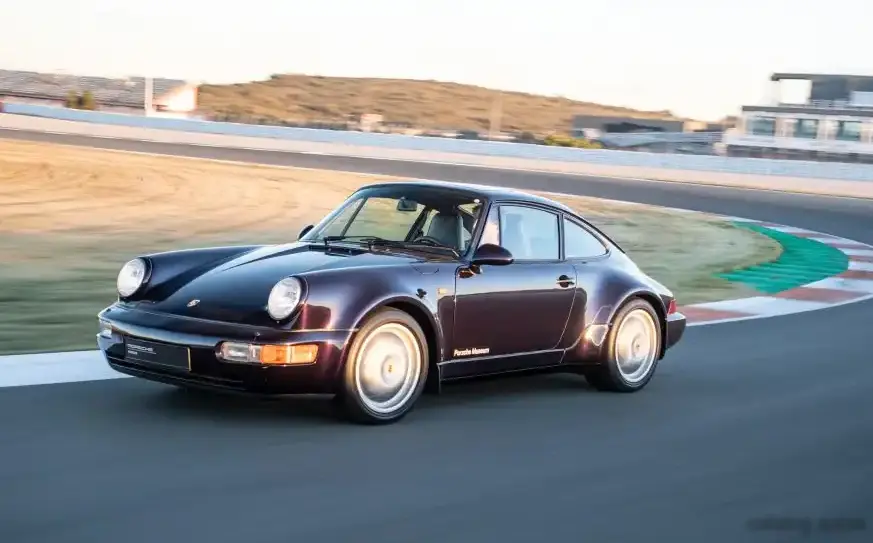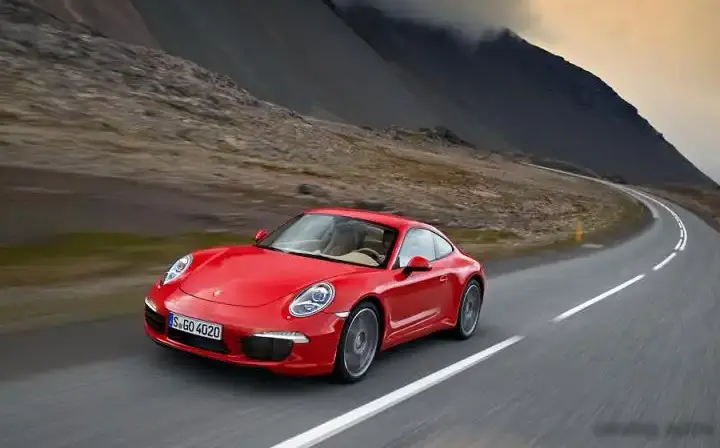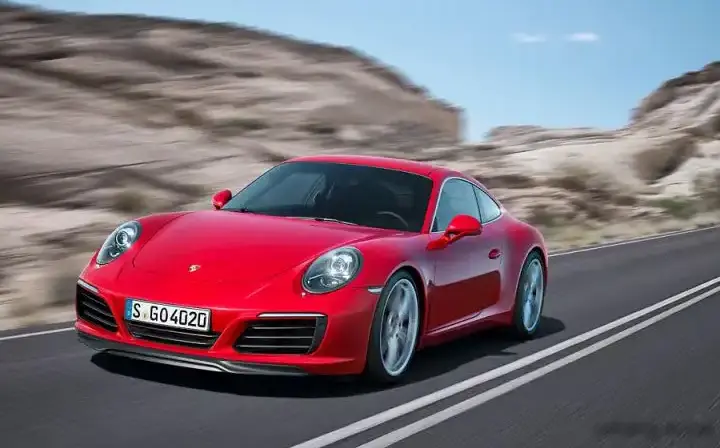
The Porsche 911 Carrera 3.0, produced from 2015 to 2018, represents a significant mid-cycle refresh of the 991.II generation 911. Positioned as a core model within the 911 lineup, the Carrera 3.0 offered a compelling blend of performance and everyday usability. This variant marked a shift towards smaller displacement, turbocharged engines for the 911, moving away from the naturally aspirated tradition while maintaining, and in many cases improving, upon the performance of its predecessors. It served as a stepping stone between the earlier 991.1 models and the later, more focused variants like the Carrera T and GTS. The 991.II generation, and specifically the 3.0-liter Carrera, aimed to broaden the 911’s appeal with increased efficiency and a more accessible power delivery.
Technical Specifications
| Brand | Porsche |
| Model | 911 |
| Generation | 911 (991 II) |
| Type (Engine) | Carrera 3.0 (370 Hp) |
| Start of production | 2015 |
| End of production | 2018 |
| Powertrain Architecture | Internal Combustion engine |
| Body type | Coupe |
| Seats | 4 |
| Doors | 2 |
| Fuel consumption (economy) – urban | 11.7 l/100 km (20.1 US mpg, 24.1 UK mpg, 8.5 km/l) |
| Fuel consumption (economy) – extra urban | 6.3 l/100 km (37.3 US mpg, 44.8 UK mpg, 15.9 km/l) |
| Fuel consumption (economy) – combined | 8.3 l/100 km (28.3 US mpg, 34 UK mpg, 12 km/l) |
| CO2 emissions | 190 g/km |
| Fuel Type | Petrol (Gasoline) |
| Acceleration 0 – 100 km/h | 4.6 sec |
| Acceleration 0 – 62 mph | 4.6 sec |
| Acceleration 0 – 60 mph | 4.4 sec |
| Maximum speed | 295 km/h (183.3 mph) |
| Emission standard | Euro 6 |
| Weight-to-power ratio | 3.9 kg/Hp, 258.7 Hp/tonne |
| Weight-to-torque ratio | 3.2 kg/Nm, 314.7 Nm/tonne |
| Power | 370 Hp @ 6500 rpm |
| Power per litre | 124.1 Hp/l |
| Torque | 450 Nm @ 1700-5000 rpm (331.9 lb.-ft. @ 1700-5000 rpm) |
| Engine layout | Rear, Longitudinal |
| Engine Model/Code | MA2.01, MA2.02 |
| Engine displacement | 2981 cm3 (181.91 cu. in.) |
| Number of cylinders | 6 |
| Engine configuration | Boxer |
| Compression ratio | 10:1 |
| Number of valves per cylinder | 4 |
| Fuel injection system | Direct injection |
| Engine aspiration | BiTurbo, Intercooler |
| Engine oil capacity | 8 l (8.45 US qt | 7.04 UK qt) |
| Coolant | 28.3 l (29.9 US qt | 24.9 UK qt) |
| Kerb Weight | 1430 kg (3152.61 lbs.) |
| Max. weight | 1875 kg (4133.67 lbs.) |
| Max load | 445 kg (981.06 lbs.) |
| Trunk (boot) space – minimum | 145 l (5.12 cu. ft.) |
| Fuel tank capacity | 64 l (16.91 US gal | 14.08 UK gal) |
| Length | 4499 mm (177.13 in.) |
| Width | 1808 mm (71.18 in.) |
| Width including mirrors | 1978 mm (77.87 in.) |
| Height | 1294 mm (50.94 in.) |
| Wheelbase | 2450 mm (96.46 in.) |
| Drag coefficient (Cd) | 0.29 |
| Minimum turning circle | 11.2 m (36.75 ft.) |
| Drivetrain Architecture | Rear wheel drive |
| Number of gears and type of gearbox | 7 gears, manual transmission |
| Front suspension | Independent type McPherson |
| Rear suspension | Independent multi-link suspension |
| Front brakes | Ventilated discs |
| Rear brakes | Ventilated discs |
| Assisting systems | ABS (Anti-lock braking system) |
| Steering type | Steering rack and pinion |
| Tires size | 235/40 ZR19; 295/35 ZR19 |
| Wheel rims size | 8.5J x 19; 11.5J x 19 |
Powertrain & Engine Architecture
The heart of the 911 Carrera 3.0 is the 2.981-liter twin-turbocharged flat-six engine, designated as the MA2.01 or MA2.02 depending on minor revisions. This engine represented a departure from the naturally aspirated engines previously used in the Carrera models. The twin-turbocharger setup, utilizing BorgWarner turbochargers, provides significantly improved torque delivery across a wider RPM range compared to naturally aspirated engines. Direct fuel injection is employed, optimizing combustion efficiency and contributing to the engine’s power output. The engine features a compression ratio of 10:1 and four valves per cylinder. The 7-speed manual transmission was standard, offering precise gear changes and a direct connection to the engine. Porsche also offered an optional 8-speed PDK dual-clutch transmission, providing quicker shifts and enhanced efficiency.
Driving Characteristics
The 911 Carrera 3.0 delivers a markedly different driving experience compared to earlier, naturally aspirated 911s. The twin-turbochargers provide a surge of torque from as low as 1700 rpm, resulting in strong acceleration in everyday driving situations. While the peak horsepower of 370 hp is respectable, it’s the readily available torque of 450 Nm (331.9 lb-ft) that truly defines the driving experience. The 0-60 mph sprint takes approximately 4.4 seconds with the manual transmission, and slightly quicker with the PDK. Compared to the more powerful Carrera S, the 3.0 feels more approachable and less demanding to drive at the limit. The manual transmission offers a satisfyingly mechanical feel, while the PDK provides seamless and rapid gear changes. The rear-wheel-drive configuration contributes to the classic 911 handling characteristics, with a tendency towards oversteer that experienced drivers can exploit.
Equipment & Trim Levels
The Carrera 3.0 came standard with a well-appointed interior featuring partial leather upholstery, automatic climate control, a 7-inch touchscreen infotainment system with navigation, and a high-quality sound system. Optional extras were plentiful, allowing buyers to personalize their 911. Popular options included full leather interiors, sport seats, a sunroof, adaptive cruise control, and Porsche Dynamic Chassis Control (PDCC) which minimized body roll during cornering. Exterior options included various wheel designs, paint colors, and aerodynamic enhancements. The base Carrera trim was positioned as the entry point to the 911 range, offering a balance of performance and luxury without the added cost of the more focused S or GTS models.
Chassis & Braking
The 991.II Carrera 3.0 utilizes a sophisticated chassis design. The front suspension features McPherson struts, while the rear employs a multi-link setup. Porsche’s Active Suspension Management (PASM) system, available as an option, allows drivers to adjust the damper settings for a more comfortable or sportier ride. Braking duties are handled by ventilated discs on all four wheels, providing ample stopping power. Porsche Ceramic Composite Brakes (PCCB) were available as an upgrade for even greater braking performance and fade resistance. The steering system is a precise and responsive rack-and-pinion setup, providing excellent feedback to the driver.
Market Reception & Comparison
The 911 Carrera 3.0 was generally well-received by automotive critics. The turbocharged engine was praised for its strong torque delivery and improved fuel efficiency compared to the previous generation. However, some critics lamented the loss of the naturally aspirated engine’s distinctive sound and character. Compared to the Carrera S, the 3.0 offered a more affordable entry point into the 911 range, making it appealing to a wider audience. The 3.0 also offered better fuel economy than the S, achieving around 28.3 US mpg in combined driving. Reliability has proven to be generally good, with the twin-turbocharged engine proving to be robust when properly maintained.
Legacy
The 911 Carrera 3.0 represents a pivotal moment in the 911’s history, marking the transition to turbocharged engines across the range. While some purists initially resisted the change, the 3.0 has proven to be a capable and enjoyable sports car. On the used car market, the Carrera 3.0 offers a compelling value proposition, providing a genuine 911 experience at a more accessible price point than the Carrera S or GTS. With proper maintenance, the powertrain is expected to remain reliable for many years to come, ensuring that the 911 Carrera 3.0 will continue to be a sought-after sports car for enthusiasts.