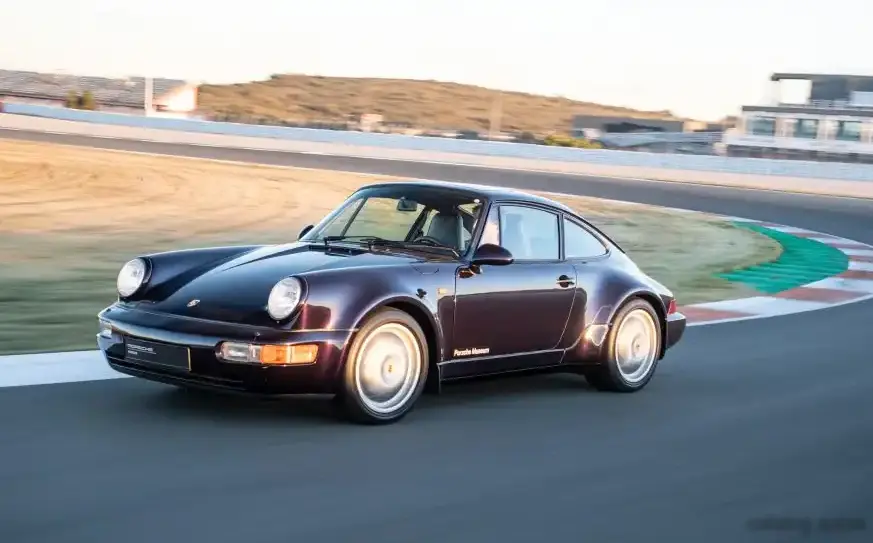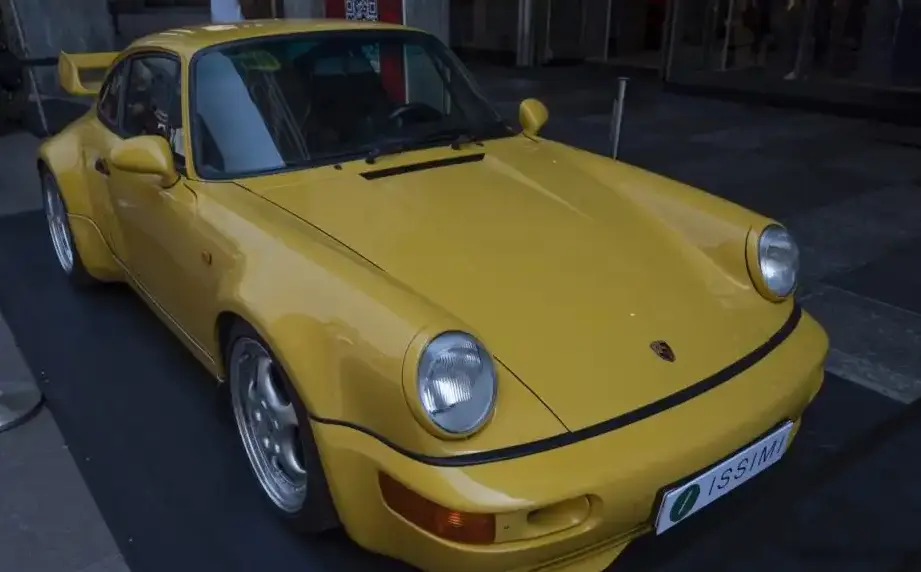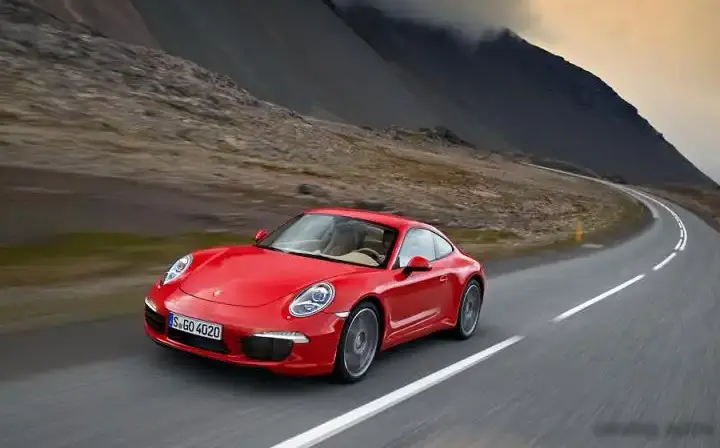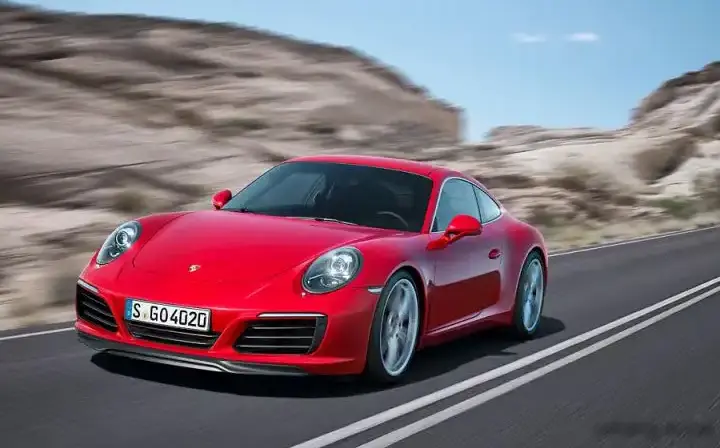
The Porsche 911 Carrera T 3.0, equipped with the 7-speed PDK dual-clutch transmission, was a performance-focused variant introduced as part of the 991.2 generation of the iconic 911. Produced for the 2017 and 2018 model years, the Carrera T aimed to bridge the gap between the standard Carrera models and the more hardcore GT3, offering a more engaging driving experience without sacrificing everyday usability. It represented a return to the “Touring” philosophy Porsche had previously employed in the 911 lineage, emphasizing lightweight construction and a driver-centric setup. The Carrera T sat in a unique position within the 991.2 lineup, appealing to enthusiasts seeking a more visceral connection to the car than the standard Carrera offered, but without the track-focused compromises of the GT3.
Technical Specifications
| Brand | Porsche |
| Model | 911 |
| Generation | 911 (991 II) |
| Type (Engine) | Carrera T 3.0 (370 Hp) PDK |
| Start of production | 2017 |
| End of production | 2018 |
| Powertrain Architecture | Internal Combustion engine |
| Body type | Coupe |
| Seats | 4 |
| Doors | 2 |
| Fuel consumption (economy) – urban | 11.5 l/100 km (20.5 US mpg, 24.6 UK mpg, 8.7 km/l) |
| Fuel consumption (economy) – extra urban | 6.8 l/100 km (34.6 US mpg, 41.5 UK mpg, 14.7 km/l) |
| Fuel consumption (economy) – combined | 8.5 l/100 km (27.7 US mpg, 33.2 UK mpg, 11.8 km/l) |
| CO2 emissions | 193 g/km |
| Fuel Type | Petrol (Gasoline) |
| Acceleration 0 – 100 km/h | 4.2 sec |
| Acceleration 0 – 62 mph | 4.2 sec |
| Acceleration 0 – 60 mph | 4 sec |
| Maximum speed | 291 km/h (180.82 mph) |
| Emission standard | Euro 6 |
| Weight-to-power ratio | 3.9 kg/Hp, 256.1 Hp/tonne |
| Weight-to-torque ratio | 3.2 kg/Nm, 311.4 Nm/tonne |
| Power | 370 Hp @ 6500 rpm |
| Power per litre | 124.1 Hp/l |
| Torque | 450 Nm @ 1700-5000 rpm (331.9 lb.-ft. @ 1700-5000 rpm) |
| Engine layout | Rear, Longitudinal |
| Engine Model/Code | MA2.01, MA2.02 |
| Engine displacement | 2981 cm3 (181.91 cu. in.) |
| Number of cylinders | 6 |
| Engine configuration | Boxer |
| Compression ratio | 10:1 |
| Number of valves per cylinder | 4 |
| Fuel injection system | Direct injection |
| Engine aspiration | BiTurbo, Intercooler |
| Engine oil capacity | 8 l (8.45 US qt | 7.04 UK qt) |
| Coolant | 28.3 l (29.9 US qt | 24.9 UK qt) |
| Kerb Weight | 1445 kg (3185.68 lbs.) |
| Max. weight | 1890 kg (4166.74 lbs.) |
| Max load | 445 kg (981.06 lbs.) |
| Trunk (boot) space – minimum | 145 l (5.12 cu. ft.) |
| Fuel tank capacity | 64 l (16.91 US gal | 14.08 UK gal) |
| Length | 4527 mm (178.23 in.) |
| Width | 1808 mm (71.18 in.) |
| Height | 1285 mm (50.59 in.) |
| Wheelbase | 2450 mm (96.46 in.) |
| Drag coefficient (Cd) | 0.31 |
| Minimum turning circle | 11.2 m (36.75 ft.) |
| Drive wheel | Rear wheel drive |
| Number of gears | 7 |
| Gearbox type | automatic transmission PDK |
| Front brakes | Ventilated discs |
| Rear brakes | Ventilated discs |
| Tires size | 245/35 R20; 305/30 R20 |
| Wheel rims size | 20 |
Powertrain & Engine Architecture
The Carrera T 3.0 utilizes a 3.0-liter twin-turbocharged flat-six engine, designated as the MA2.01 or MA2.02 depending on minor revisions. This engine produces 370 horsepower at 6,500 rpm and 450 Nm (331.9 lb-ft) of torque available from 1,700 to 5,000 rpm. The engine employs direct fuel injection and variable turbine geometry (VTG) turbochargers, contributing to its broad torque curve and responsive power delivery. The PDK 7-speed dual-clutch transmission is standard, offering quick and precise shifts. Unlike some other 911 variants, a manual transmission was *not* offered on the Carrera T, emphasizing the performance intent of the vehicle. The engine is mounted longitudinally at the rear of the vehicle, a defining characteristic of the 911.
Driving Characteristics
The Carrera T, with its 370 hp and PDK transmission, delivers a noticeably more engaging driving experience than the standard Carrera. The PDK transmission, while automatic, allows for manual gear selection via paddle shifters, providing the driver with a high degree of control. The quicker gear changes and optimized programming contribute to a 0-60 mph time of around 4 seconds and a top speed of 180.82 mph. The reduced weight, achieved through the removal of rear seats and sound insulation, further enhances agility and responsiveness. While not as brutally fast as the 911 Turbo or GT3, the Carrera T offers a balanced and rewarding driving experience, particularly on winding roads. The power delivery is linear and predictable, making it accessible to drivers of varying skill levels.
Equipment & Trim Levels
The Carrera T came standard with a number of features designed to enhance the driving experience and reduce weight. These included a lightweight interior with reduced sound insulation, fabric seat centers, and the removal of the rear seats. Standard equipment also included the Porsche Active Suspension Management (PASM) sport suspension, a mechanical rear differential lock, and the Sport Chrono Package, which adds a Sport Response button for bursts of maximum acceleration. Optional extras included full leather interiors, upgraded audio systems, and various aesthetic customization options. The interior generally featured a minimalist design, focusing on functionality and driver engagement.
Chassis & Braking
The Carrera T benefits from a chassis tuned for performance. It utilizes Porsche’s Active Suspension Management (PASM) system, which allows the driver to adjust the damper settings for a more comfortable or sportier ride. The rear differential lock improves traction during cornering. The braking system consists of ventilated discs on all four wheels, providing ample stopping power. The standard tires are 245/35 R20 at the front and 305/30 R20 at the rear, mounted on 20-inch wheels. The suspension geometry is optimized for handling, and the car sits slightly lower to the ground than the standard Carrera.
Market Reception & Comparison
The Carrera T was well-received by automotive critics, who praised its engaging driving dynamics, responsive engine, and lightweight construction. It was often lauded as a sweet spot in the 911 lineup, offering a significant step up in performance and driver involvement compared to the standard Carrera without the extreme compromises of the GT3. Compared to the standard Carrera, the T offered a more focused driving experience, while the higher-output Carrera S and GTS models provided even more power but at a higher price point. Fuel economy was respectable for a sports car, averaging around 27.7 US mpg in combined driving. Reliability has generally been good, consistent with Porsche’s reputation for build quality.
Legacy
The Carrera T 3.0 has become a sought-after model in the used car market, appreciated by Porsche enthusiasts for its unique blend of performance, handling, and driver engagement. The MA2.01/MA2.02 engine, while twin-turbocharged, has proven to be relatively reliable with proper maintenance. The PDK transmission is also known for its durability. The Carrera T represents a return to Porsche’s roots, emphasizing the importance of a driver-focused experience. It paved the way for subsequent “T” models in the 911 lineup, continuing the tradition of lightweight, performance-oriented variants.