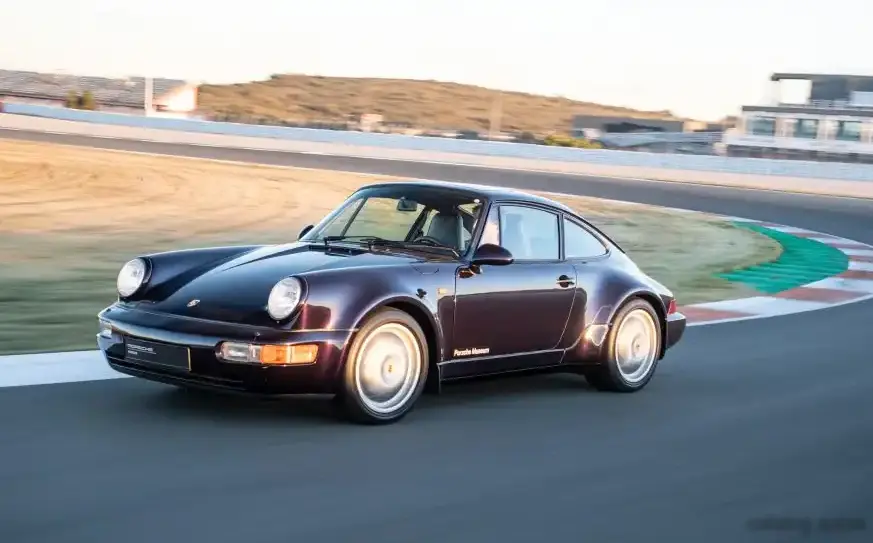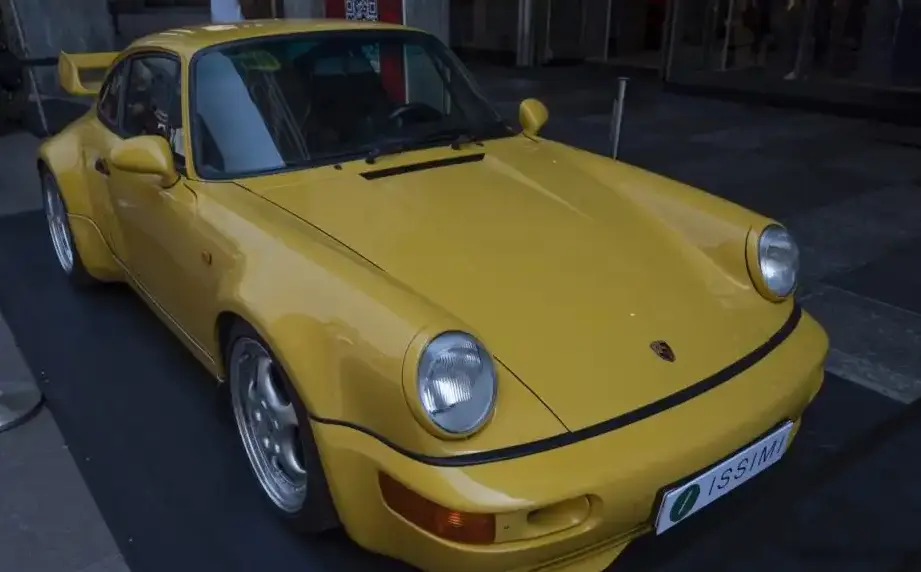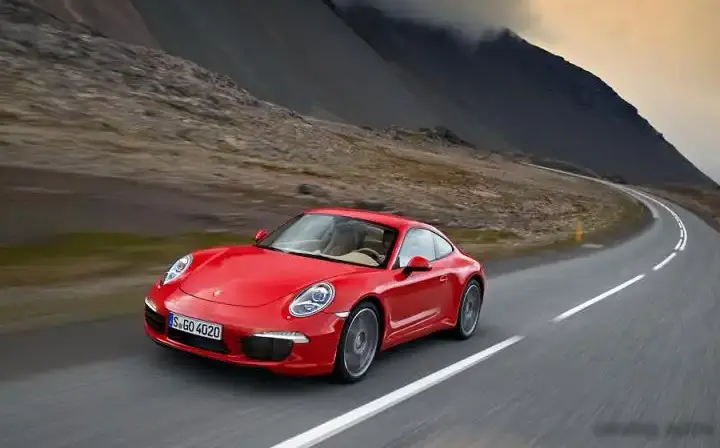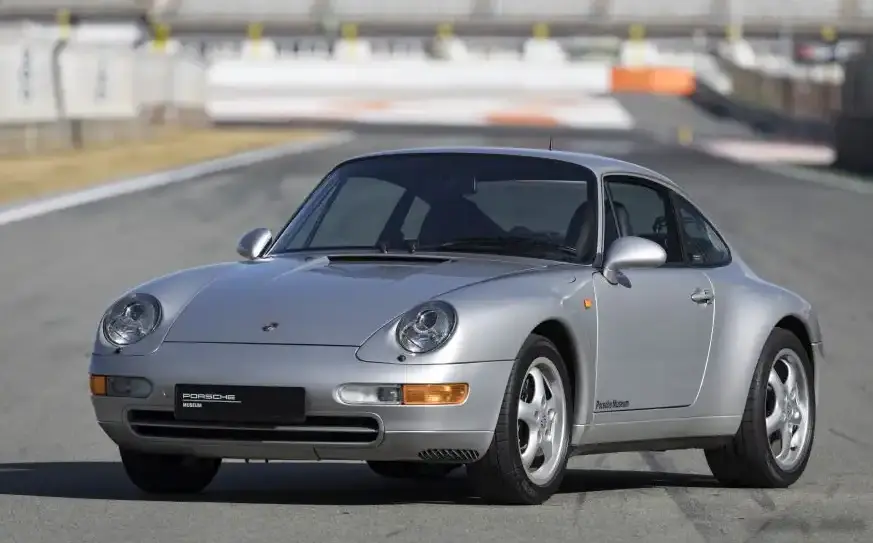
The Porsche 911 (993) Carrera 3.6, produced from 1994 to 1997, represents the final iteration of the air-cooled 911 before Porsche transitioned to water-cooled engines. This model is significant as it blended classic 911 design cues with modern technology, offering a compelling combination of performance and usability. Positioned as the standard Carrera within the 993 range, it served as the entry point into the 911 experience for many enthusiasts, sitting below the more potent Carrera S and the track-focused Carrera RS models. The 993 generation as a whole is highly regarded for its refinement and driving experience, and the 3.6 Carrera remains a popular choice among collectors and drivers alike.
Technical Specifications
| Brand | Porsche |
| Model | 911 |
| Generation | 911 (993) |
| Type (Engine) | Carrera 3.6 (272 Hp) |
| Start of production | 1994 |
| End of production | 1997 |
| Powertrain Architecture | Internal Combustion engine |
| Body type | Coupe |
| Seats | 4 |
| Doors | 2 |
| Fuel consumption (economy) – urban | 16.6 l/100 km (14.2 US mpg, 17 UK mpg, 6 km/l) |
| Fuel consumption (economy) – extra urban | 11.3 l/100 km (20.8 US mpg, 25 UK mpg, 8.8 km/l) |
| Fuel Type | Petrol (Gasoline) |
| Acceleration 0 – 100 km/h | 5.6 sec |
| Acceleration 0 – 62 mph | 5.6 sec |
| Acceleration 0 – 60 mph | 5.3 sec |
| Maximum speed | 270 km/h (167.77 mph) |
| Weight-to-power ratio | 5.1 kg/Hp, 195.7 Hp/tonne |
| Weight-to-torque ratio | 4.2 kg/Nm, 237.4 Nm/tonne |
| Power | 272 Hp @ 6100 rpm |
| Power per litre | 75.6 Hp/l |
| Torque | 330 Nm @ 5000 rpm (243.4 lb.-ft. @ 5000 rpm) |
| Engine layout | Rear, Longitudinal |
| Engine Model/Code | M64.05 |
| Engine displacement | 3600 cm3 (219.69 cu. in.) |
| Number of cylinders | 6 |
| Engine configuration | Boxer |
| Cylinder Bore | 100 mm (3.94 in.) |
| Piston Stroke | 76.4 mm (3.01 in.) |
| Compression ratio | 11.3:1 |
| Number of valves per cylinder | 2 |
| Fuel injection system | Multi-port manifold injection |
| Engine aspiration | Naturally aspirated engine |
| Valvetrain | SOHC |
| Engine oil capacity | 9 l (9.51 US qt | 7.92 UK qt) |
| Kerb Weight | 1390 kg (3064.43 lbs.) |
| Length | 4260 mm (167.72 in.) |
| Width | 1735 mm (68.31 in.) |
| Height | 1315 mm (51.77 in.) |
| Wheelbase | 2272 mm (89.45 in.) |
| Front track | 1405 mm (55.31 in.) |
| Rear (Back) track | 1444 mm (56.85 in.) |
| Ride height (ground clearance) | 120 mm (4.72 in.) |
| Drivetrain Architecture | Rear wheel drive |
| Number of gears and type of gearbox | 6 gears, manual transmission |
| Front suspension | Independent, type McPherson with coil spring and anti-roll bar |
| Rear suspension | Independent multi-link suspension |
| Front brakes | Ventilated discs, 304 mm |
| Rear brakes | Ventilated discs, 299 mm |
| Assisting systems | ABS (Anti-lock braking system) |
| Steering type | Steering rack and pinion |
| Power steering | Hydraulic Steering |
| Tires size | 205/55 R16; 245/45 R16 |
| Wheel rims size | 7J x 16; 9J x 16 |
Introduction
The 993 Carrera 3.6 marked a pivotal moment in the 911’s history. It was the last of the original, air-cooled 911s, a lineage stretching back to 1964. Porsche engineers meticulously refined the air-cooled flat-six engine to meet increasingly stringent emissions regulations while simultaneously improving performance and drivability. The 993 generation introduced significant advancements in chassis technology, including a multi-link rear suspension, which dramatically improved handling and ride comfort compared to its predecessor, the 964. The Carrera 3.6, with its 3.6-liter engine, offered a substantial power increase over earlier 911s, delivering a more engaging and refined driving experience. It was available as a coupe and a convertible (Cabriolet).
Powertrain & Engine Architecture
At the heart of the 993 Carrera 3.6 lies the M64.05 engine, a 3.6-liter naturally aspirated flat-six. This engine represents the culmination of decades of air-cooled 911 engine development. It featured a revised cylinder head design with larger intake ports and valves, optimized combustion chambers, and a more efficient intake manifold. The engine utilized Bosch Motronic engine management, controlling multi-port fuel injection and ignition timing. The valvetrain employed single overhead camshafts (SOHC) per cylinder bank, operating two valves per cylinder. The engine’s dry-sump lubrication system, a hallmark of Porsche engineering, ensured reliable oil supply even under extreme cornering forces. The 6-speed manual transmission, a new feature for the 993, provided precise gear changes and contributed to the car’s overall performance. While a Tiptronic automatic transmission was available, the manual was favored by enthusiasts for its direct connection to the engine.
Driving Characteristics
The 993 Carrera 3.6 offered a distinctly engaging driving experience. The 272 horsepower and 243 lb-ft of torque provided ample power for spirited driving, with a 0-60 mph time of around 5.3 seconds. The engine’s power delivery was smooth and linear, building to a satisfying crescendo at its 6100 rpm redline. The 6-speed manual transmission allowed drivers to keep the engine in its sweet spot, maximizing performance. The multi-link rear suspension significantly improved handling, providing greater stability and predictability in corners. Compared to the more powerful Carrera S, the 3.6 felt more approachable and forgiving, making it an excellent choice for drivers who wanted a rewarding but not intimidating 911 experience. The car felt balanced and planted, inspiring confidence on both winding roads and open highways.
Equipment & Trim Levels
The 993 Carrera 3.6 came standard with a well-appointed interior. Seats were typically upholstered in leather, and the dashboard featured a classic 911 layout with five circular gauges. Standard equipment included power windows, central locking, and an upgraded audio system. Optional extras were plentiful, allowing buyers to customize their cars to their preferences. Popular options included a sunroof, heated seats, a limited-slip differential, and various interior trim packages. The availability of different wheel designs and exterior colors further enhanced the personalization options. The interior trim levels ranged from basic cloth interiors to more luxurious full leather options.
Chassis & Braking
The 993 Carrera 3.6 benefited from a significantly upgraded chassis compared to previous 911 generations. The introduction of the multi-link rear suspension was a game-changer, providing improved wheel control and ride comfort. The front suspension utilized McPherson struts with coil springs and an anti-roll bar. Braking duties were handled by ventilated disc brakes on all four wheels, providing ample stopping power. ABS (Anti-lock Braking System) was standard. The chassis was designed to be lightweight yet rigid, contributing to the car’s overall handling prowess. The standard tire size was 205/55 R16 at the front and 245/45 R16 at the rear, providing a good balance of grip and ride comfort.
Market Reception & Comparison
The 993 Carrera 3.6 was widely praised by automotive critics for its refinement, performance, and driving experience. It was seen as a successful blend of classic 911 character and modern technology. Compared to the Carrera S, the 3.6 offered a more accessible price point and a slightly more forgiving driving experience. While the Carrera S provided more outright performance, the 3.6 was considered by many to be the sweet spot in the 993 lineup. Fuel economy was reasonable for a sports car of its era, averaging around 14-21 mpg. Reliability was generally good, although air-cooled 911s require regular maintenance to prevent oil leaks and ensure proper engine cooling.
Legacy
The 993 Carrera 3.6 has become a highly sought-after classic Porsche. Its status as the last of the air-cooled 911s has contributed to its enduring appeal. Well-maintained examples command high prices in the used car market. The M64.05 engine is known for its durability, but regular maintenance is crucial to prevent issues. The 993 generation, and the Carrera 3.6 in particular, is celebrated for its timeless design, engaging driving experience, and its place in Porsche history. It represents a high point in the evolution of the 911, and continues to be enjoyed by enthusiasts around the world.