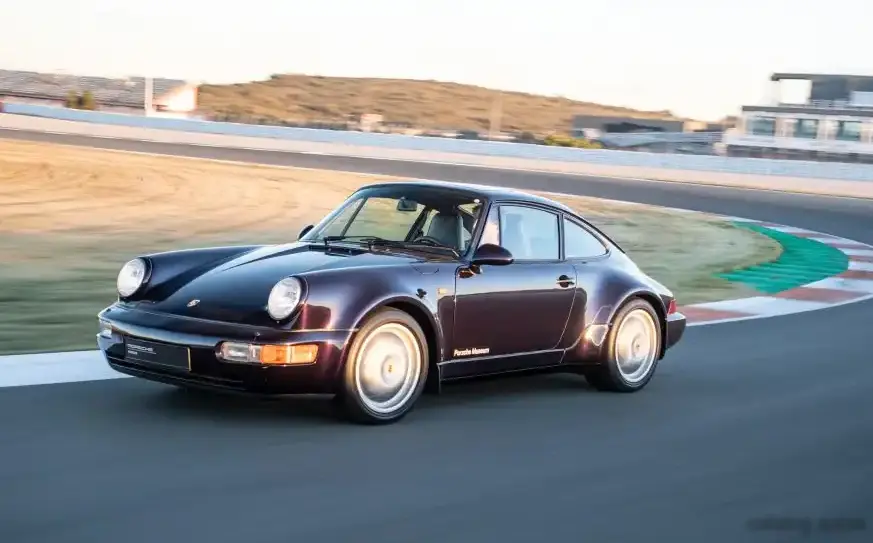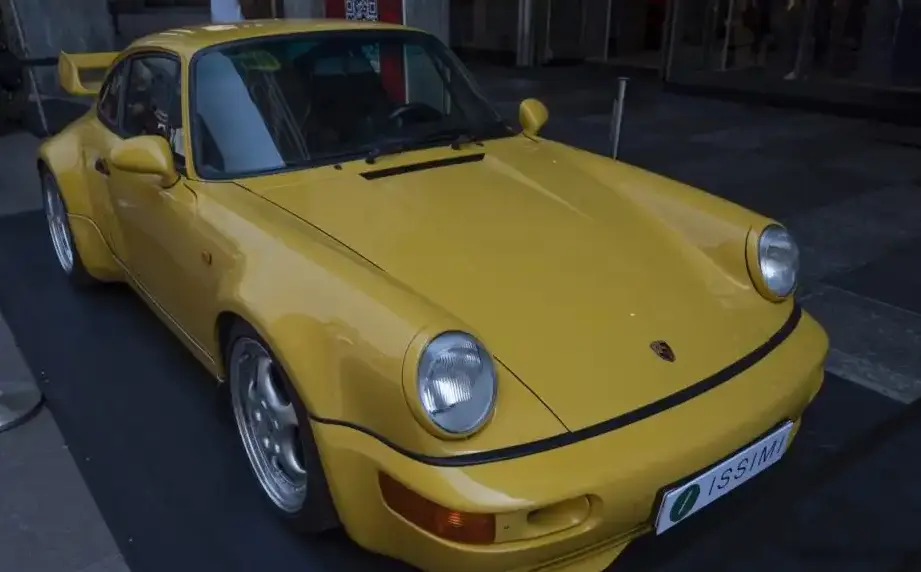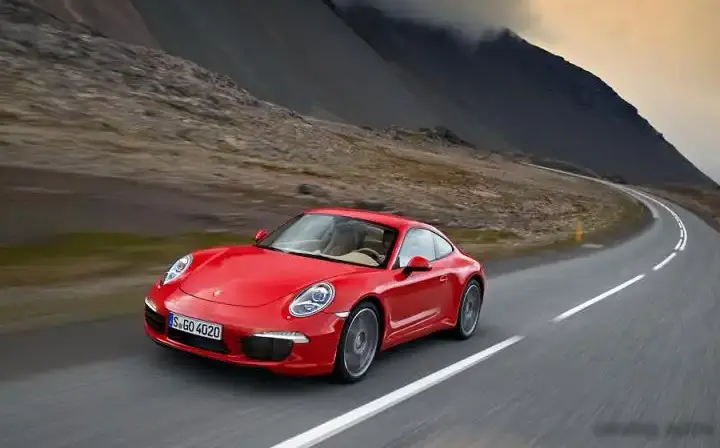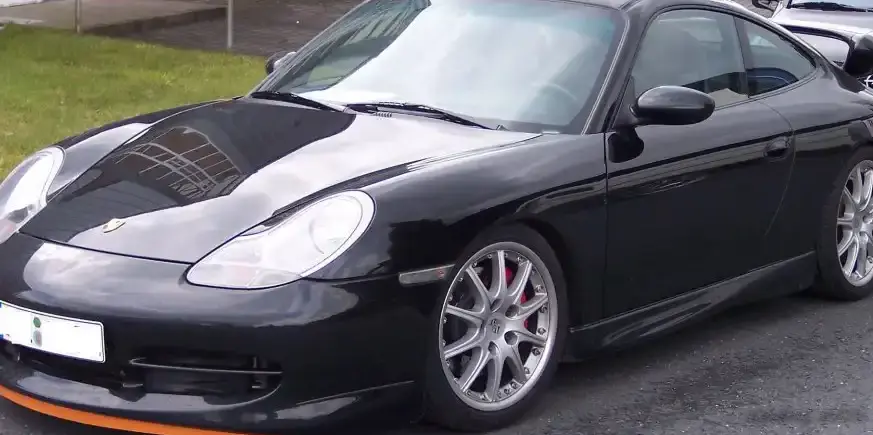
The Porsche 911 (996) Carrera 4 3.4, equipped with the Tiptronic S automatic transmission, represents a significant evolution in the iconic 911 lineage. Produced from 1998 to 2001, this variant occupied a middle ground within the 996 generation, offering all-wheel drive capability and a blend of performance and convenience. It was positioned above the rear-wheel drive Carrera 2 and below the more potent Carrera 4S models. The 996 generation itself marked a substantial departure from its air-cooled predecessors, embracing water cooling and a completely redesigned chassis, while still retaining the core 911 characteristics that enthusiasts valued.
Technical Specifications
| Brand | Porsche |
| Model | 911 |
| Generation | 911 (996) |
| Type | Carrera 4 3.4 (300 Hp) Tiptronic S |
| Start of production | 1998 |
| End of production | 2001 |
| Powertrain Architecture | Internal Combustion engine |
| Body type | Coupe |
| Seats | 4 |
| Doors | 2 |
| Fuel Type | Petrol (Gasoline) |
| Acceleration 0 – 100 km/h | 6 sec |
| Acceleration 0 – 62 mph | 6 sec |
| Acceleration 0 – 60 mph | 5.7 sec |
| Maximum speed | 275 km/h (170.88 mph) |
| Weight-to-power ratio | 4.7 kg/Hp, 211.3 Hp/tonne |
| Weight-to-torque ratio | 4.1 kg/Nm, 246.5 Nm/tonne |
| Power | 300 Hp @ 6800 rpm |
| Power per litre | 88.6 Hp/l |
| Torque | 350 Nm @ 4600 rpm (258.15 lb.-ft. @ 4600 rpm) |
| Engine layout | Rear, Longitudinal |
| Engine Model/Code | M96.01, M96.04 |
| Engine displacement | 3387 cm3 (206.69 cu. in.) |
| Number of cylinders | 6 |
| Engine configuration | Boxer |
| Cylinder Bore | 96 mm (3.78 in.) |
| Piston Stroke | 78 mm (3.07 in.) |
| Compression ratio | 11.3:1 |
| Number of valves per cylinder | 4 |
| Fuel injection system | Multi-port manifold injection |
| Engine aspiration | Naturally aspirated engine |
| Engine oil capacity | 8.3 l (8.77 US qt | 7.3 UK qt) |
| Coolant | 22.5 l (23.78 US qt | 19.8 UK qt) |
| Kerb Weight | 1420 kg (3130.56 lbs) |
| Max. weight | 1820 kg (4012.41 lbs) |
| Max load | 400 kg (881.85 lbs) |
| Trunk (boot) space – maximum | 100 l (3.53 cu. ft.) |
| Fuel tank capacity | 64 l (16.91 US gal | 14.08 UK gal) |
| Length | 4430 mm (174.41 in.) |
| Width | 1765 mm (69.49 in.) |
| Height | 1305 mm (51.38 in.) |
| Wheelbase | 2350 mm (92.52 in.) |
| Front track | 1455 mm (57.28 in.) |
| Rear (Back) track | 1500 mm (59.06 in.) |
| Ride height (ground clearance) | 100 mm (3.94 in.) |
| Drag coefficient (Cd) | 0.30 |
| Minimum turning circle (turning diameter) | 10.6 m (34.78 ft.) |
| Drive wheel | All wheel drive (4×4) |
| Number of gears and type of gearbox | 5 gears, automatic transmission Tiptronic S |
| Front suspension | Independent type McPherson |
| Rear suspension | Independent multi-link suspension |
| Front brakes | Ventilated discs |
| Rear brakes | Ventilated discs |
| Assisting systems | ABS (Anti-lock braking system) |
| Steering type | Steering rack and pinion |
| Power steering | Hydraulic Steering |
| Tires size | 205/50 R17; 255/40 R17 |
| Wheel rims size | 7J x 17; 9J x 17 |
Powertrain & Engine Architecture
The heart of the 996 Carrera 4 3.4 is the M96.01 or M96.04 3.4-liter flat-six engine. This engine represented a significant departure from the traditional air-cooled 911 engines, utilizing water cooling for improved thermal management and reduced noise. The engine features a dry-sump lubrication system, a hallmark of Porsche engineering, which ensures consistent oil supply even under extreme cornering forces. The M96 engine employs multi-port fuel injection, delivering fuel directly into the intake ports. The valvetrain consists of four valves per cylinder, operated by chain-driven overhead camshafts. The Tiptronic S transmission is a five-speed automatic with a torque converter and the ability for manual gear selection via steering wheel-mounted buttons. This transmission was designed to offer both the convenience of an automatic and the control desired by performance drivers.
Driving Characteristics
The Carrera 4 3.4 Tiptronic S delivers a smooth and refined driving experience. While not as overtly aggressive as the Carrera 4S or the manual transmission variants, the 300 horsepower engine provides ample power for both everyday driving and spirited performance. The Tiptronic S transmission offers relatively quick shifts, although it doesn’t match the immediacy of a manual gearbox. The all-wheel drive system provides enhanced traction, particularly in inclement weather, making the Carrera 4 a more usable vehicle year-round. The gear ratios are tuned for a balance of acceleration and fuel efficiency, with the automatic transmission selecting gears based on throttle input and vehicle speed. Compared to the manual version, the Tiptronic S sacrifices some driver engagement but gains in ease of use.
Equipment & Trim Levels
The Carrera 4 3.4 Tiptronic S came standard with a respectable array of features, including leather upholstery, power-adjustable seats, automatic climate control, and a basic audio system. Optional extras were plentiful, allowing buyers to customize their vehicles to their preferences. Popular options included a premium sound system, navigation system, sport seats, and various interior trim packages. The exterior typically featured a body-colored front spoiler and rear wing, along with 17-inch alloy wheels. The interior dashboard layout was a significant change from previous 911 generations, adopting a more modern and ergonomic design.
Chassis & Braking
The 996 chassis represented a major advancement over previous 911 platforms. It utilized a galvanized steel monocoque construction for improved rigidity and corrosion resistance. The Carrera 4 featured fully independent suspension, with McPherson struts at the front and a multi-link setup at the rear. Ventilated disc brakes were standard on all four wheels, providing ample stopping power. ABS (Anti-lock Braking System) was also standard. The Carrera 4’s all-wheel drive system employs a viscous coupling to distribute power between the front and rear axles, providing optimal traction in various conditions. Stabilizer bars were fitted front and rear to reduce body roll during cornering.
Market Reception & Comparison
The 996 Carrera 4 3.4 Tiptronic S was generally well-received by automotive critics. It was praised for its comfortable ride, refined performance, and all-weather capability. However, some critics noted that the Tiptronic S transmission lacked the engagement of a manual gearbox. Compared to the rear-wheel drive Carrera 2, the Carrera 4 offered superior traction and stability. Compared to the more powerful Carrera 4S, the 3.4-liter engine provided slightly less performance but at a lower price point. Fuel economy was reasonable for a sports car of its caliber, averaging around 19 mpg city and 25 mpg highway.
Legacy
The M96 engine, while a significant improvement over its predecessors, has become known for potential intermediate shaft (IMS) bearing failures. This issue, primarily affecting engines produced between 1997 and 2005, can lead to catastrophic engine damage. While not all M96 engines are affected, it’s a concern for potential buyers in the used car market. Despite this potential issue, the 996 Carrera 4 3.4 Tiptronic S remains a desirable entry point into Porsche ownership. Its blend of performance, comfort, and all-wheel drive capability makes it a versatile and enjoyable sports car. Well-maintained examples continue to command respectable prices in the used car market, and the 996 generation is increasingly appreciated for its role in modernizing the 911 legend.