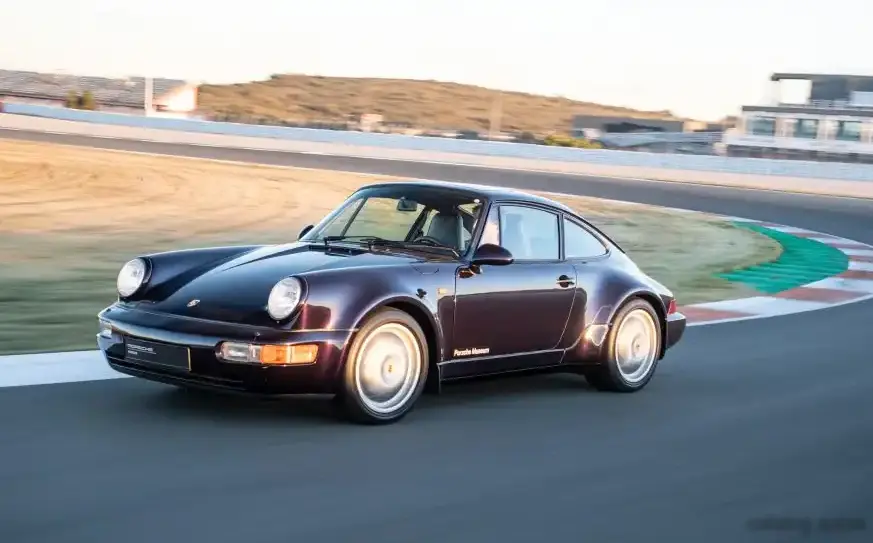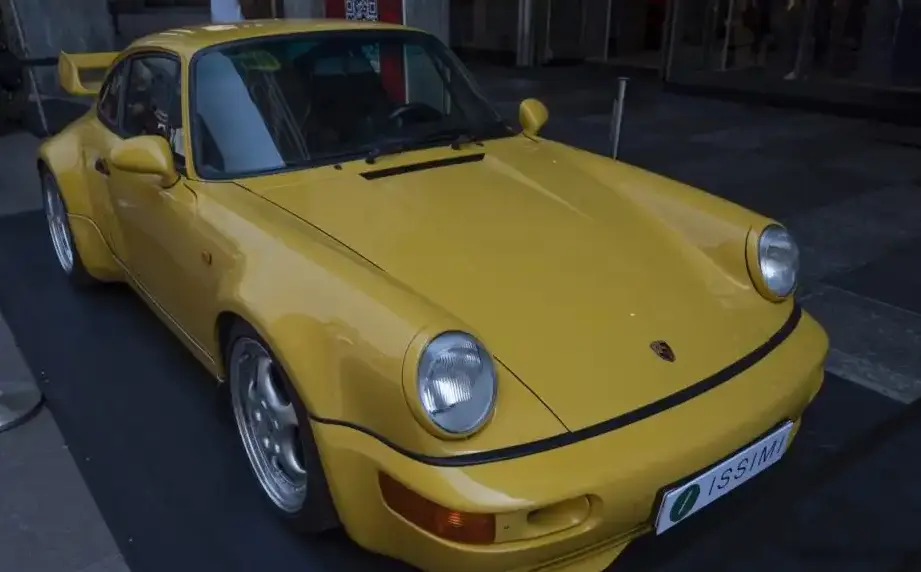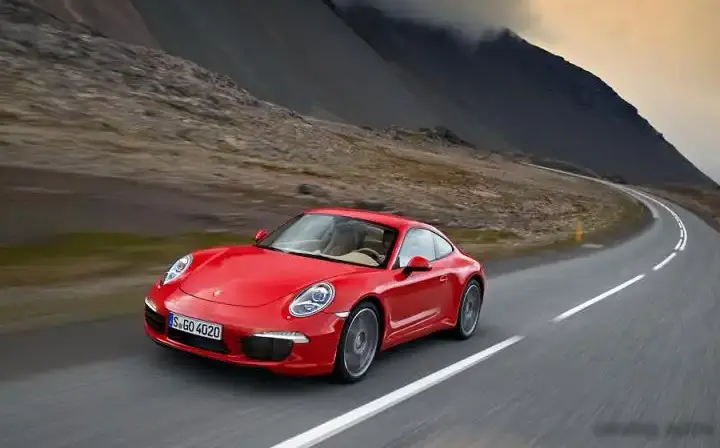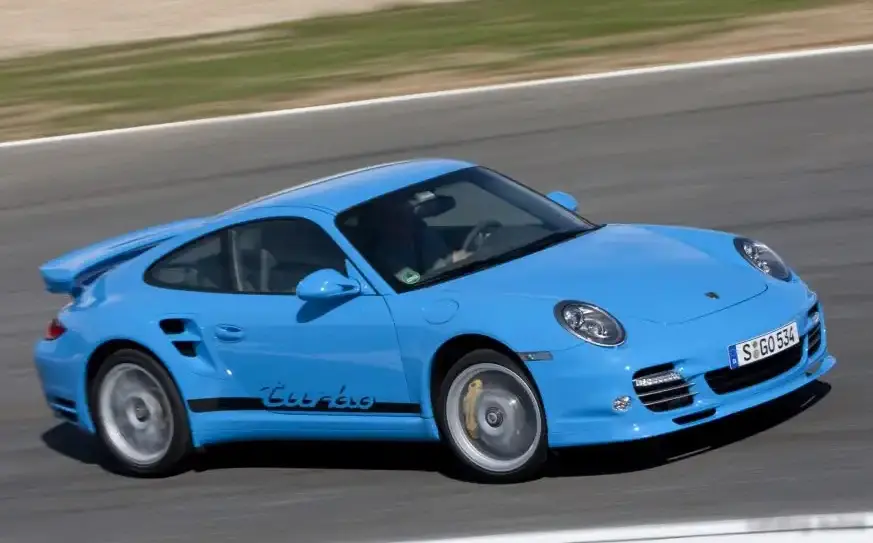
The Porsche 911 Carrera 3.6, produced from 2008 to 2012, represents a significant mid-cycle refresh of the 997 generation of Porsche’s iconic sports car. This facelift, often referred to as the 997.2, brought with it a host of improvements including direct fuel injection, a revised engine management system, and updated styling. The 3.6-liter variant, producing 345 horsepower, served as the core model within the Carrera range, positioned above the base Carrera and below the more potent Carrera S and track-focused variants. It aimed to deliver a balanced blend of performance, everyday usability, and the quintessential 911 driving experience.
Technical Specifications
| Brand | Porsche |
| Model | 911 |
| Generation | 911 (997, facelift 2008) |
| Type (Engine) | Carrera 3.6 (345 Hp) |
| Start of production | 2008 |
| End of production | 2012 |
| Powertrain Architecture | Internal Combustion engine |
| Body type | Coupe |
| Seats | 4 |
| Doors | 2 |
| Fuel consumption (economy) – urban | 15.5 l/100 km (15.2 US mpg, 18.2 UK mpg, 6.5 km/l) |
| Fuel consumption (economy) – extra urban | 7.4 l/100 km (31.8 US mpg, 38.2 UK mpg, 13.5 km/l) |
| Fuel consumption (economy) – combined | 10.3 l/100 km (22.8 US mpg, 27.4 UK mpg, 9.7 km/l) |
| Fuel Type | Petrol (Gasoline) |
| Acceleration 0 – 100 km/h | 4.9 sec |
| Acceleration 0 – 62 mph | 4.9 sec |
| Acceleration 0 – 60 mph | 4.7 sec |
| Maximum speed | 289 km/h (179.58 mph) |
| Emission standard | Euro 5 |
| Weight-to-power ratio | 4.1 kg/Hp, 243.8 Hp/tonne |
| Weight-to-torque ratio | 3.8 kg/Nm, 261.5 Nm/tonne |
| Power | 345 Hp @ 6500 rpm |
| Power per litre | 95.5 Hp/l |
| Torque | 370 Nm @ 4400 rpm (272.9 lb.-ft. @ 4400 rpm) |
| Engine layout | Rear, Longitudinal |
| Engine Model/Code | MA1.02 |
| Engine displacement | 3614 cm3 (220.54 cu. in.) |
| Number of cylinders | 6 |
| Engine configuration | Boxer |
| Compression ratio | 12.5:1 |
| Number of valves per cylinder | 4 |
| Fuel injection system | Multi-port manifold injection |
| Engine aspiration | Naturally aspirated engine |
| Valvetrain | DOHC |
| Engine oil capacity | 7.5 l (7.93 US qt | 6.6 UK qt) |
| Coolant | 28.9 l (30.54 US qt | 25.43 UK qt) |
| Kerb Weight | 1415 kg (3119.54 lbs.) |
| Max. weight | 1820 kg (4012.41 lbs.) |
| Max load | 405 kg (892.87 lbs.) |
| Trunk (boot) space – maximum | 135 l (4.77 cu. ft.) |
| Fuel tank capacity | 64 l (16.91 US gal | 14.08 UK gal) |
| Length | 4435 mm (174.61 in.) |
| Width | 1808 mm (71.18 in.) |
| Height | 1310 mm (51.57 in.) |
| Wheelbase | 2350 mm (92.52 in.) |
| Drag coefficient (Cd) | 0.29 |
| Minimum turning circle | 10.9 m (35.76 ft.) |
| Drivetrain Architecture | Rear wheel drive |
| Number of gears | 6 gears, manual transmission |
| Front suspension | Independent type McPherson |
| Rear suspension | Independent multi-link suspension |
| Front brakes | Ventilated discs, 330 mm |
| Rear brakes | Ventilated discs, 330 mm |
| Assisting systems | ABS (Anti-lock braking system) |
| Steering type | Steering rack and pinion |
| Power steering | Hydraulic Steering |
| Tires size | 235/40 R18ZR; 265/40 R18ZR |
| Wheel rims size | 8J x 18; 10.5J x 18 |
Powertrain & Engine Architecture
At the heart of the 997.2 Carrera 3.6 lies the MA1.02 engine, a 3.6-liter naturally aspirated flat-six. A key upgrade from the pre-facelift 997 was the introduction of direct fuel injection (DFI). This system, injecting fuel directly into the combustion chamber, allowed for more precise fuel control, improved combustion efficiency, and a slight increase in power output. The engine retained its dry-sump lubrication system, a hallmark of Porsche engineering, ensuring reliable oil supply even under extreme cornering forces. The engine produced 345 horsepower at 6,500 rpm and 370 Nm (272.9 lb-ft) of torque at 4,400 rpm. The standard transmission for this variant was a six-speed manual, though a five-speed Tiptronic S automatic transmission was also available. The automatic, while offering convenience, was often criticized for being less responsive than the manual and slightly impacting performance.
Driving Characteristics
The 997.2 Carrera 3.6 with the manual transmission offered a classic Porsche driving experience. The engine was eager to rev, delivering a smooth and linear power delivery. While not as brutally fast as the Carrera S, it provided ample power for spirited driving on both the road and track. The six-speed manual gearbox was precise and engaging, contributing to the overall sense of driver involvement. The automatic transmission, while smoother in everyday driving, felt somewhat sluggish in comparison, with noticeable delays during gear changes. The rear-wheel-drive configuration provided excellent balance and handling, making the car predictable and confidence-inspiring. Acceleration from 0 to 60 mph took approximately 4.7 seconds, and the car could reach a top speed of 179.58 mph.
Equipment & Trim Levels
The Carrera 3.6 came standard with a respectable level of equipment, including partial leather upholstery, automatic climate control, a basic audio system, and Porsche Stability Management (PSM). Optional extras were plentiful, allowing buyers to customize their 911 to their liking. Popular options included a sport chrono package (adding a stopwatch and sport mode), upgraded audio systems, full leather interiors, heated seats, and various exterior styling enhancements. The interior design was functional and driver-focused, with a clear instrument cluster and well-placed controls.
Chassis & Braking
The 997.2 Carrera 3.6 utilized a robust chassis with independent suspension all around. The front suspension employed McPherson struts, while the rear featured a multi-link setup. This configuration provided a good balance between ride comfort and handling precision. The braking system consisted of ventilated discs on all four wheels, providing ample stopping power. ABS (Anti-lock Braking System) was standard. The car’s weight distribution was carefully optimized to enhance handling balance.
Market Reception & Comparison
The 997.2 Carrera 3.6 was generally well-received by automotive critics. It was praised for its improved engine, refined handling, and overall driving experience. Compared to the pre-facelift 997, the 3.6 offered noticeable improvements in fuel economy and performance. Against the Carrera S, the 3.6 offered a more affordable entry point into the 911 world, albeit with slightly less power and performance. The automatic transmission variants were often criticized for their slower response and reduced driver engagement compared to the manual.
Legacy
The 997.2 Carrera 3.6 has proven to be a reliable and desirable sports car in the used market. The direct fuel injection system, while initially prone to some issues with carbon buildup, has generally proven durable with proper maintenance. The 997 generation as a whole is considered by many to be the sweet spot in the 911 lineage, offering a blend of classic Porsche feel and modern technology. The 3.6-liter engine is known for its longevity and relatively straightforward maintenance, making it a popular choice for enthusiasts seeking a rewarding and reliable sports car experience. Values for well-maintained examples have been steadily increasing in recent years, reflecting the growing appreciation for this iconic Porsche model.