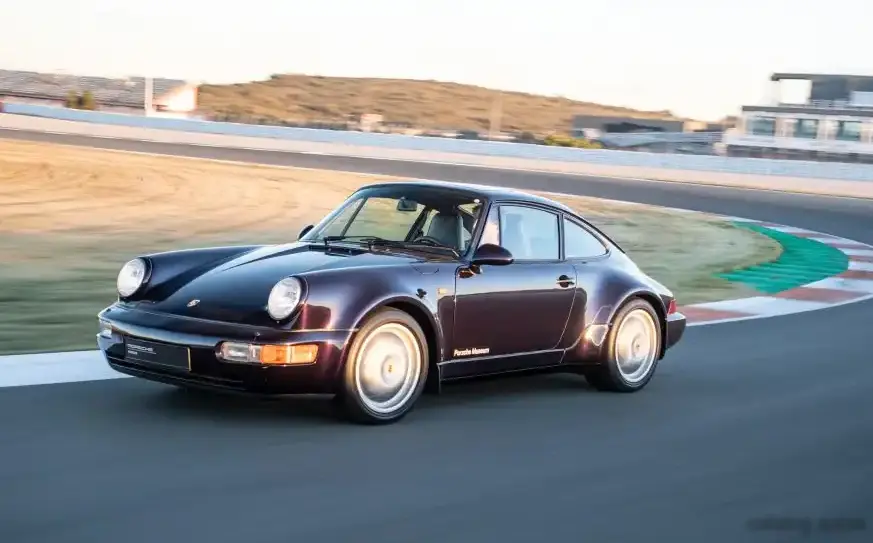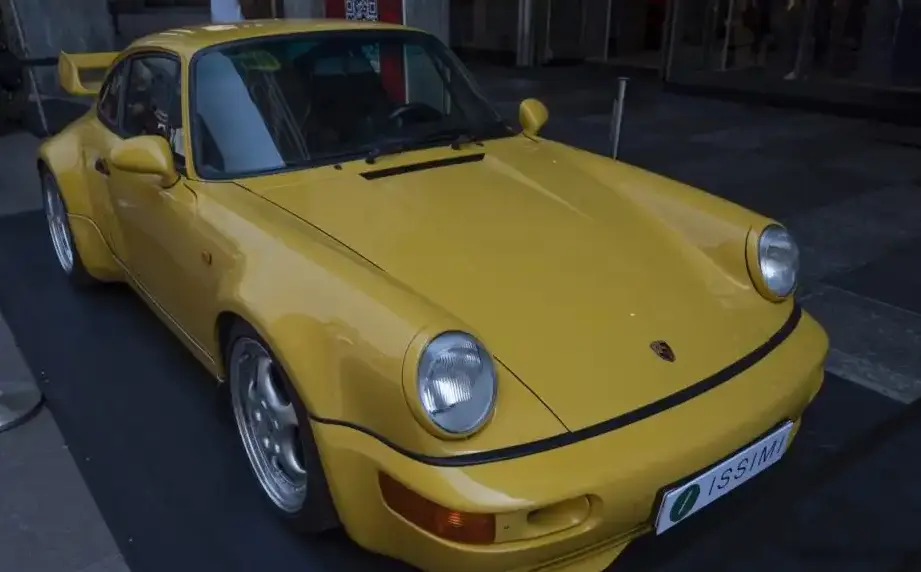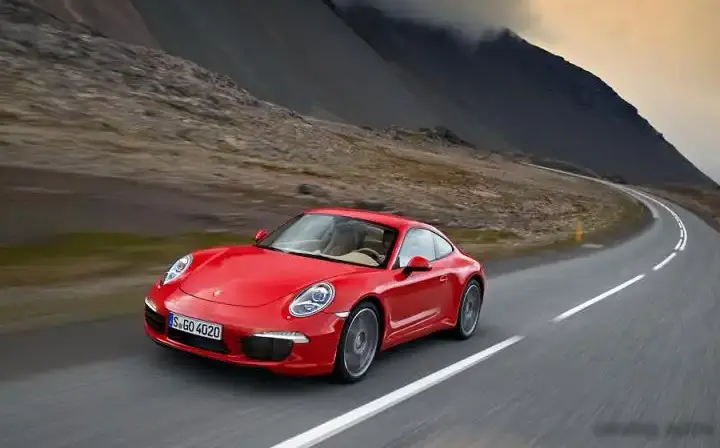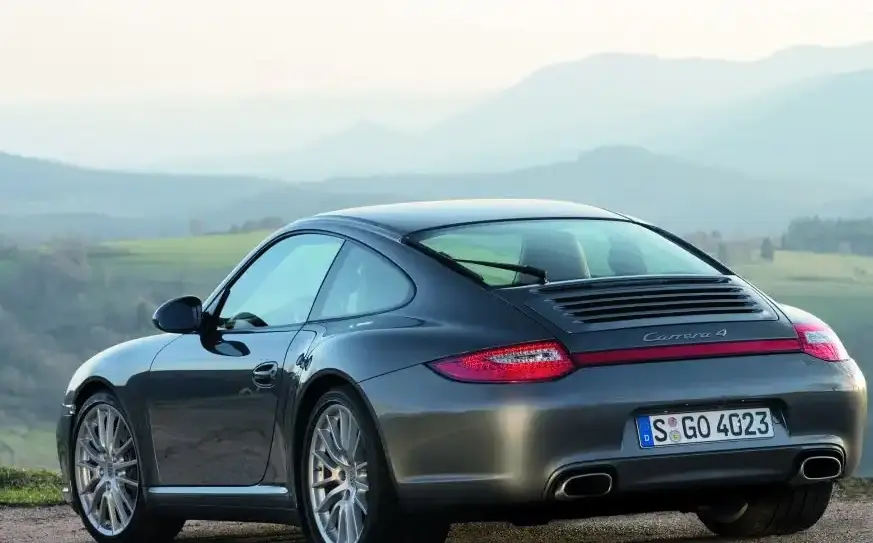
The Porsche 911 Carrera 4 3.6, equipped with the Porsche Doppelkupplung (PDK) dual-clutch transmission, represents a significant iteration of the iconic 911 lineage. Produced from 2008 to 2011 as part of the 997 facelift (also known as the 997.2 generation), this variant blended the legendary rear-engine dynamics of the 911 with all-wheel drive capability and the advanced PDK gearbox. It occupied a sweet spot in the 997.2 lineup, offering a substantial performance upgrade over the base Carrera models while remaining more accessible than the higher-performance Carrera S or the track-focused GT3 variants. This model aimed to deliver a refined, yet engaging, driving experience suitable for both daily use and spirited driving.
Technical Specifications
| Brand | Porsche |
| Model | 911 |
| Generation | 911 (997, facelift 2008) |
| Type (Engine) | Carrera 4 3.6 (345 Hp) PDK |
| Start of production | 2008 |
| End of production | 2011 |
| Powertrain Architecture | Internal Combustion engine |
| Body type | Coupe |
| Seats | 4 |
| Doors | 2 |
| Fuel consumption (economy) – urban | 15.2 l/100 km (15.5 US mpg, 18.6 UK mpg, 6.6 km/l) |
| Fuel consumption (economy) – extra urban | 7.2 l/100 km (32.7 US mpg, 39.2 UK mpg, 13.9 km/l) |
| Fuel consumption (economy) – combined | 10.1 l/100 km (23.3 US mpg, 28 UK mpg, 9.9 km/l) |
| CO2 emissions | 237 g/km |
| Fuel Type | Petrol (Gasoline) |
| Acceleration 0 – 100 km/h | 4.8 sec |
| Acceleration 0 – 62 mph | 4.8 sec |
| Acceleration 0 – 60 mph | 4.6 sec |
| Maximum speed | 282 km/h (175.23 mph) |
| Emission standard | Euro 5 |
| Weight-to-power ratio | 4.3 kg/Hp, 230 Hp/tonne |
| Weight-to-torque ratio | 3.8 kg/Nm, 260 Nm/tonne |
| Power | 345 Hp @ 6500 rpm |
| Power per litre | 95.5 Hp/l |
| Torque | 390 Nm @ 4400 rpm (287.65 lb.-ft. @ 4400 rpm) |
| Engine layout | Rear, Longitudinal |
| Engine Model/Code | MA1.02 |
| Engine displacement | 3614 cm3 (220.54 cu. in.) |
| Engine configuration | Boxer |
| Compression ratio | 12.5:1 |
| Number of valves per cylinder | 4 |
| Fuel injection system | Direct injection |
| Engine oil capacity | 7.5 l (7.93 US qt, 6.6 UK qt) |
| Coolant | 28.9 l (30.54 US qt, 25.43 UK qt) |
| Kerb Weight | 1500 kg (3306.93 lbs) |
| Max. weight | 1900 kg (4188.78 lbs) |
| Max load | 400 kg (881.85 lbs) |
| Trunk (boot) space – maximum | 105 l (3.71 cu. ft.) |
| Fuel tank capacity | 67 l (17.7 US gal, 14.74 UK gal) |
| Length | 4435 mm (174.61 in) |
| Width | 1852 mm (72.91 in) |
| Height | 1310 mm (51.57 in) |
| Wheelbase | 2350 mm (92.52 in) |
| Drag coefficient (Cd) | 0.30 |
| Minimum turning circle | 10.9 m (35.76 ft) |
| Drive wheel | All wheel drive (4×4) |
| Number of gears and type of gearbox | 7 gears, automatic transmission PDK |
| Front suspension | Independent type McPherson |
| Rear suspension | Independent multi-link suspension |
| Front brakes | Ventilated discs, 330 mm |
| Rear brakes | Ventilated discs, 330 mm |
| Assisting systems | ABS (Anti-lock braking system) |
| Steering type | Steering rack and pinion |
| Power steering | Hydraulic Steering |
| Tires size | 235/40 ZR18; 295/35 ZR18 |
| Wheel rims size | 8J x 18; 11J x 18 |
Powertrain & Engine Architecture
At the heart of the 911 Carrera 4 3.6 PDK lies the MA1.02 engine, a 3.6-liter naturally aspirated flat-six (boxer) engine. This engine benefited from Porsche’s Direct Fuel Injection (DFI) technology, improving both power and fuel efficiency. DFI precisely meters fuel directly into the combustion chamber, allowing for a higher compression ratio (12.5:1) and more complete combustion. The engine utilizes four valves per cylinder, enhancing breathing and contributing to its 345 horsepower output at 6,500 rpm and 390 Nm (287.65 lb-ft) of torque at 4,400 rpm. The engine’s longitudinal rear placement and the all-wheel-drive system contribute to the 911’s unique handling characteristics.
The PDK transmission is a crucial element of this variant. It’s a seven-speed dual-clutch transmission that offers incredibly fast and smooth gear changes. Unlike a traditional automatic, the PDK uses two separate clutches – one for odd-numbered gears and one for even-numbered gears – allowing for pre-selection of the next gear. This results in near-instantaneous shifts, whether driven in automatic or manual mode via paddle shifters. The PDK’s programming is tailored to provide both comfortable cruising and aggressive acceleration.
Driving Characteristics
The Carrera 4 3.6 PDK delivers a compelling driving experience. The all-wheel-drive system provides enhanced traction, particularly in inclement weather or during hard acceleration. While not as raw or visceral as a rear-wheel-drive 911, the Carrera 4 offers a more confident and predictable feel. The PDK transmission contributes significantly to the car’s performance, allowing for rapid acceleration and precise gear control. The gear ratios are optimized for both everyday driving and spirited performance, providing ample torque in most situations. Compared to the base Carrera with a manual transmission, the PDK version offers quicker acceleration and a more refined driving experience. However, some purists argue that the manual transmission provides a more engaging connection to the car.
Equipment & Trim Levels
The Carrera 4 3.6 PDK came standard with a well-appointed interior featuring leather upholstery, automatic climate control, a Bose sound system, and power-adjustable seats. Optional extras were plentiful, including sport seats, a navigation system, a sunroof, and various interior trim options. The Carrera 4 also included Porsche Stability Management (PSM), a sophisticated stability control system that helps maintain control in challenging driving conditions. The exterior styling was relatively understated, with subtle “Carrera 4” badging and wider rear track compared to the standard Carrera.
Chassis & Braking
The 997.2 Carrera 4 features an independent suspension system with McPherson struts at the front and a multi-link setup at the rear. The suspension is tuned to provide a balance between comfort and handling. The all-wheel-drive system distributes power to all four wheels, enhancing traction and stability. Braking duties are handled by ventilated disc brakes on all four corners, providing ample stopping power. The Carrera 4 typically featured larger brakes than the base Carrera models. ABS (Anti-lock Braking System) is standard, further enhancing safety.
Market Reception & Comparison
The 911 Carrera 4 3.6 PDK was generally well-received by automotive critics. It was praised for its performance, handling, and refinement. The PDK transmission was particularly lauded for its speed and smoothness. Compared to the Carrera S, the Carrera 4 offered a slightly softer ride and a more accessible price point. Fuel economy was reasonable for a high-performance sports car, averaging around 23.3 US mpg in combined driving. Reliability was generally good, although some owners reported minor issues with the PDK transmission.
Legacy
The Porsche 911 Carrera 4 3.6 PDK remains a desirable sports car in the used market. Its combination of performance, refinement, and all-wheel-drive capability makes it a versatile and enjoyable vehicle. The PDK transmission has proven to be relatively reliable, although regular maintenance is essential. These 997.2 Carrera 4s have held their value well, and well-maintained examples continue to command a premium. The MA1.02 engine is known for its durability and responsiveness, making this variant a solid choice for enthusiasts seeking a classic Porsche experience.