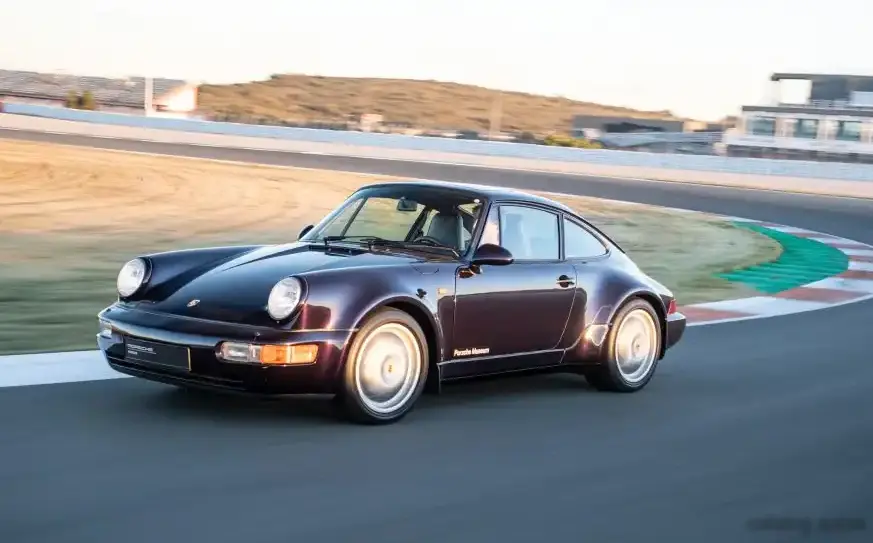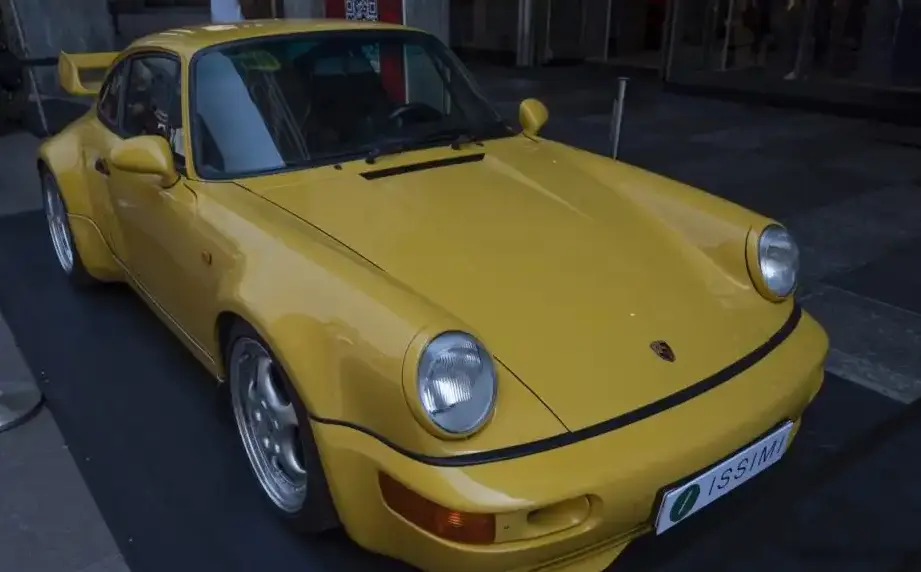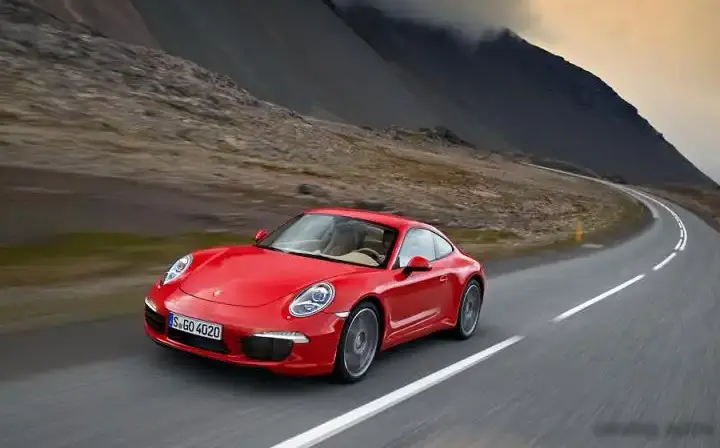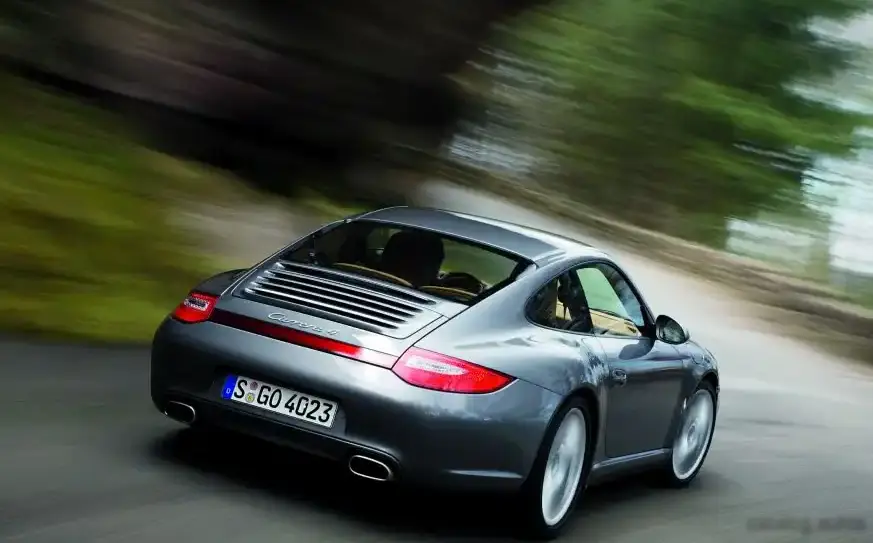
The Porsche 911 Carrera 4 GTS 3.8, produced from 2010 to 2011, represents a high-performance variant within the 997 generation (facelift) of Porsche’s iconic sports car. Positioned above the standard Carrera 4 and Carrera 4S models, the GTS aimed to bridge the gap between those trims and the more track-focused GT3. It offered increased power, enhanced handling, and a more aggressive aesthetic, appealing to drivers seeking a more visceral 911 experience without the extreme focus of the GT3. The 997.2 generation, introduced in 2009, brought with it direct fuel injection, revised engine management, and subtle styling updates, all contributing to improved performance and efficiency.
Technical Specifications
| Brand | Porsche |
| Model | 911 |
| Generation | 911 (997, facelift 2008) |
| Type (Engine) | Carrera 4 GTS 3.8 (408 Hp) |
| Start of production | 2010 |
| End of production | 2011 |
| Powertrain Architecture | Internal Combustion engine |
| Body type | Coupe |
| Seats | 4 |
| Doors | 2 |
| Fuel consumption (economy) – urban | 16.5 l/100 km (14.3 US mpg, 17.1 UK mpg, 6.1 km/l) |
| Fuel consumption (economy) – extra urban | 7.9 l/100 km (29.8 US mpg, 35.8 UK mpg, 12.7 km/l) |
| Fuel consumption (economy) – combined | 11 l/100 km (21.4 US mpg, 25.7 UK mpg, 9.1 km/l) |
| CO2 emissions | 259 g/km |
| Fuel Type | Petrol (Gasoline) |
| Acceleration 0 – 100 km/h | 4.6 sec |
| Acceleration 0 – 62 mph | 4.6 sec |
| Acceleration 0 – 60 mph | 4.4 sec |
| Maximum speed | 302 km/h (187.65 mph) |
| Emission standard | Euro 5 |
| Weight-to-power ratio | 3.6 kg/Hp, 275.7 Hp/tonne |
| Weight-to-torque ratio | 3.5 kg/Nm, 283.8 Nm/tonne |
| Power | 408 Hp @ 7300 rpm |
| Power per litre | 107.4 Hp/l |
| Torque | 420 Nm @ 4200 rpm (309.78 lb.-ft. @ 4200 rpm) |
| Engine layout | Rear, Longitudinal |
| Engine Model/Code | MA1.01S |
| Engine displacement | 3800 cm3 (231.89 cu. in.) |
| Number of cylinders | 6 |
| Engine configuration | Boxer |
| Compression ratio | 12.5:1 |
| Number of valves per cylinder | 4 |
| Fuel injection system | Direct injection |
| Engine oil capacity | 7.5 l (7.93 US qt | 6.6 UK qt) |
| Coolant | 28.9 l (30.54 US qt | 25.43 UK qt) |
| Kerb Weight | 1480 kg (3262.84 lbs) |
| Max. weight | 1880 kg (4144.69 lbs) |
| Max load | 400 kg (881.85 lbs) |
| Trunk (boot) space – maximum | 105 l (3.71 cu. ft.) |
| Fuel tank capacity | 67 l (17.7 US gal | 14.74 UK gal) |
| Length | 4435 mm (174.61 in) |
| Width | 1852 mm (72.91 in) |
| Height | 1300 mm (51.18 in) |
| Wheelbase | 2350 mm (92.52 in) |
| Drag coefficient (Cd) | 0.30 |
| Minimum turning circle | 10.9 m (35.76 ft) |
| Drive wheel | All wheel drive (4×4) |
| Number of gears and type of gearbox | 6 gears, manual transmission |
| Front suspension | Independent type McPherson |
| Rear suspension | Independent multi-link suspension |
| Front brakes | Ventilated discs, 330 mm |
| Rear brakes | Ventilated discs, 330 mm |
| Assisting systems | ABS (Anti-lock braking system) |
| Steering type | Steering rack and pinion |
| Power steering | Hydraulic Steering |
| Tires size | 235/35 ZR19; 305/30 ZR19 |
| Wheel rims size | 8.5J x 19; 11J x 19 |
Powertrain & Engine Architecture
At the heart of the 911 Carrera 4 GTS 3.8 lies a 3.8-liter naturally aspirated flat-six engine, designated the MA1.01S. This engine builds upon the advancements introduced in the 997.2 generation, most notably the implementation of direct fuel injection (DFI). DFI allows for more precise fuel metering and improved combustion efficiency, resulting in increased power and reduced emissions. The engine produces 408 horsepower at 7,300 rpm and 420 Nm (309.78 lb-ft) of torque at 4,200 rpm. The engine features a compression ratio of 12.5:1 and utilizes a four-valve-per-cylinder configuration. The standard transmission for the GTS was a six-speed manual, although Porsche did offer a seven-speed PDK dual-clutch transmission as an option. The engine is mounted longitudinally at the rear of the vehicle, a defining characteristic of the 911.
Driving Characteristics
The 911 Carrera 4 GTS 3.8 delivers a noticeably more engaging driving experience than the standard Carrera 4. The increased power output, combined with the standard sport suspension (lowered ride height and stiffer springs), results in sharper handling and improved responsiveness. The all-wheel-drive system provides excellent traction, particularly in adverse weather conditions. While the manual transmission offers a direct and rewarding connection to the engine, the optional PDK transmission provides incredibly quick and smooth gear changes. Compared to the Carrera 4S, the GTS offered a similar level of performance, but with a more focused and aggressive character. The power delivery is linear and predictable, making the car accessible to drivers of varying skill levels, yet still capable of delivering exhilarating performance on track.
Equipment & Trim Levels
The Carrera 4 GTS came standard with a number of features designed to enhance both performance and comfort. These included sport seats, a sport steering wheel, Porsche Active Suspension Management (PASM), and a limited-slip rear differential. Exterior styling cues included unique front and rear fascias, wider rear track, and standard 19-inch wheels. Optional extras included Porsche Ceramic Composite Brakes (PCCB), a sport exhaust system, and various interior customization options, such as leather upholstery and carbon fiber trim. The interior generally featured a combination of leather and Alcantara, with a focus on providing a sporty and luxurious environment.
Chassis & Braking
The 911 Carrera 4 GTS utilizes a fully independent suspension system, with McPherson struts at the front and a multi-link setup at the rear. The standard PASM system allows the driver to adjust the damping characteristics of the suspension, offering a choice between a more comfortable ride and a firmer, more performance-oriented setup. Braking duties are handled by ventilated discs at all four corners. The GTS featured larger brake rotors compared to the standard Carrera 4, providing improved stopping power and fade resistance. ABS (Anti-lock Braking System) is standard, enhancing safety and control during hard braking maneuvers.
Market Reception & Comparison
The 911 Carrera 4 GTS 3.8 was well-received by automotive critics, who praised its balanced performance, engaging driving dynamics, and refined interior. It was often lauded as the sweet spot in the 997.2 lineup, offering a compelling combination of performance and practicality. Compared to the Carrera 4, the GTS provided a significant performance upgrade, while remaining more accessible and less expensive than the GT3. Fuel economy, while not a primary concern for 911 buyers, was respectable for a high-performance sports car, averaging around 21.4 US mpg in combined driving. Reliability has generally been good, although regular maintenance is essential to ensure the longevity of the engine and other components.
Legacy
The 911 Carrera 4 GTS 3.8 remains a highly sought-after model in the used car market. Its combination of performance, style, and relative rarity has contributed to its enduring appeal. The MA1.01S engine, while requiring regular maintenance, is generally considered to be a robust and reliable unit. The 997.2 generation 911, and the GTS variant in particular, is often regarded as a modern classic, offering a pure and engaging driving experience that is increasingly rare in today’s automotive landscape. Well-maintained examples continue to command premium prices, reflecting their desirability among Porsche enthusiasts.