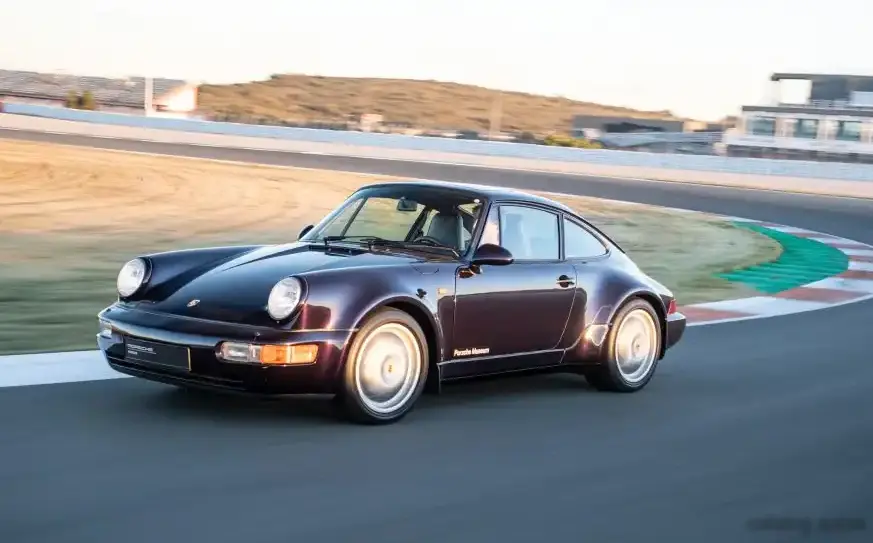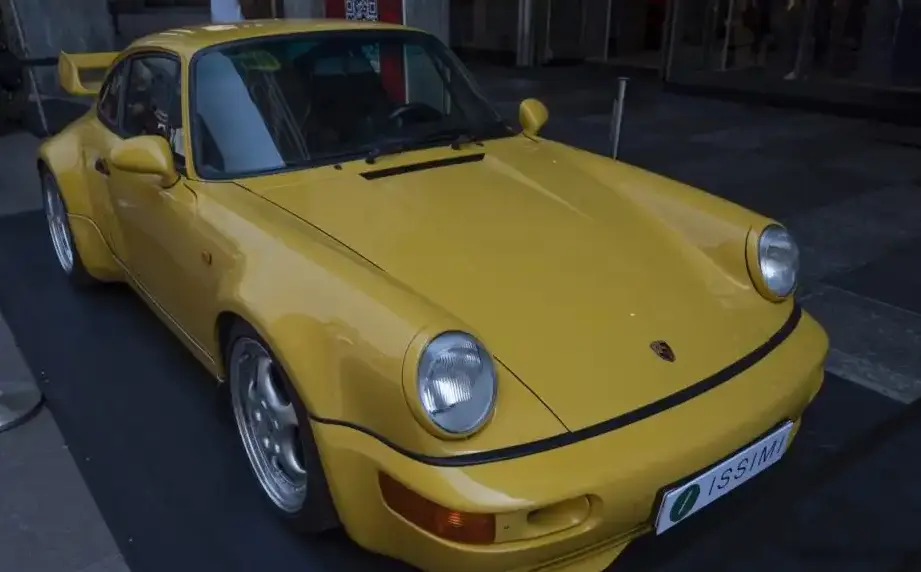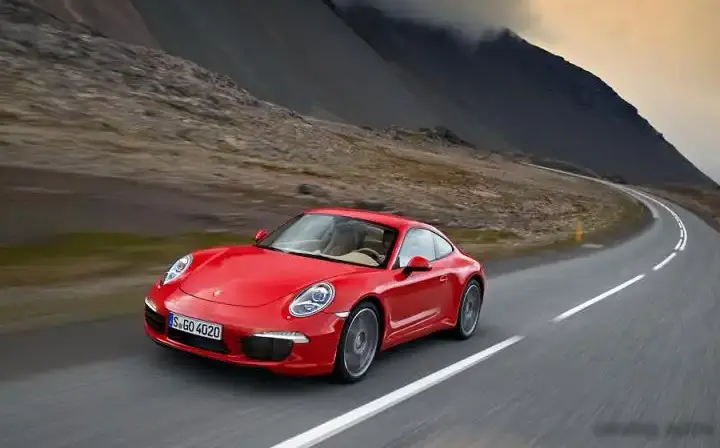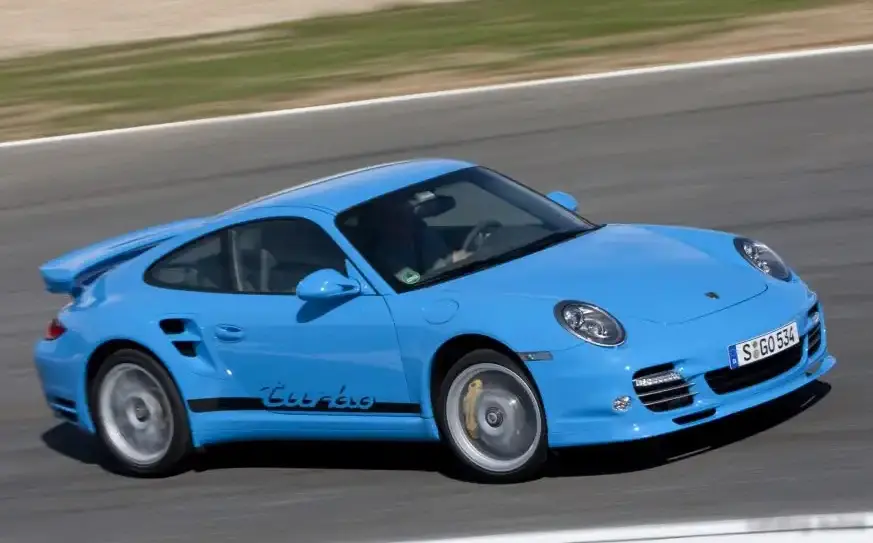
The Porsche 911 Carrera 4S 3.8, equipped with the Porsche Doppelkupplung (PDK) seven-speed dual-clutch transmission, represented a significant evolution within the 997 generation of the iconic 911. Produced from 2008 to 2011 as part of the 997.2 facelift, this variant occupied a premium position in the 911 lineup, offering a blend of performance, all-wheel drive capability, and advanced technology. It built upon the foundation of the 997 platform (derived from the Porsche 987 Boxster/Cayman) while introducing direct fuel injection and other refinements to enhance both power and efficiency.
Technical Specifications
| Brand | Porsche |
| Model | 911 |
| Generation | 911 (997, facelift 2008) |
| Type (Engine) | Carrera 4S 3.8 (385 Hp) PDK |
| Start of production | 2008 |
| End of production | 2011 |
| Powertrain Architecture | Internal Combustion engine |
| Body type | Coupe |
| Seats | 4 |
| Doors | 2 |
| Fuel consumption (urban) | 15.8 l/100 km (14.9 US mpg, 17.9 UK mpg, 6.3 km/l) |
| Fuel consumption (extra urban) | 7.5 l/100 km (31.4 US mpg, 37.7 UK mpg, 13.3 km/l) |
| Fuel consumption (combined) | 10.5 l/100 km (22.4 US mpg, 26.9 UK mpg, 9.5 km/l) |
| Fuel Type | Petrol (Gasoline) |
| Acceleration 0 – 100 km/h | 4.5 sec |
| Acceleration 0 – 62 mph | 4.5 sec |
| Acceleration 0 – 60 mph | 4.3 sec |
| Maximum speed | 295 km/h (183.3 mph) |
| Emission standard | Euro 5 |
| Weight-to-power ratio | 3.9 kg/Hp, 255 Hp/tonne |
| Weight-to-torque ratio | 3.6 kg/Nm, 278.1 Nm/tonne |
| Power | 385 Hp @ 6500 rpm |
| Power per litre | 101.3 Hp/l |
| Torque | 420 Nm @ 4400 rpm (309.78 lb.-ft. @ 4400 rpm) |
| Engine layout | Rear, Longitudinal |
| Engine Model/Code | MA1.01 |
| Engine displacement | 3800 cm3 (231.89 cu. in.) |
| Number of cylinders | 6 |
| Engine configuration | Boxer |
| Compression ratio | 12.5:1 |
| Number of valves per cylinder | 4 |
| Fuel injection system | Direct injection |
| Engine aspiration | Naturally aspirated engine |
| Valvetrain | DOHC |
| Engine oil capacity | 7.5 l (7.93 US qt | 6.6 UK qt) |
| Coolant | 29 l (30.64 US qt | 25.52 UK qt) |
| Kerb Weight | 1510 kg (3328.98 lbs.) |
| Max. weight | 1910 kg (4210.83 lbs.) |
| Max load | 400 kg (881.85 lbs.) |
| Trunk (boot) space – maximum | 135 l (4.77 cu. ft.) |
| Fuel tank capacity | 67 l (17.7 US gal | 14.74 UK gal) |
| Length | 4435 mm (174.61 in.) |
| Width | 1852 mm (72.91 in.) |
| Height | 1300 mm (51.18 in.) |
| Wheelbase | 2350 mm (92.52 in.) |
| Drag coefficient (Cd) | 0.30 |
| Minimum turning circle | 10.9 m (35.76 ft.) |
| Drive wheel | All wheel drive (4×4) |
| Number of gears | 7 |
| Gearbox type | Automatic transmission |
| Front suspension | Independent type McPherson |
| Rear suspension | Independent multi-link suspension |
| Front brakes | Ventilated discs, 330 mm |
| Rear brakes | Ventilated discs, 330 mm |
| Assisting systems | ABS (Anti-lock braking system) |
| Steering type | Steering rack and pinion |
| Power steering | Hydraulic Steering |
| Tires size | 235/35 ZR19; 305/30 ZR19 |
| Wheel rims size | 8J x 19; 11J x 19 |
Powertrain & Engine Architecture
At the heart of the Carrera 4S 3.8 lay the MA1.01 engine, a 3.8-liter naturally aspirated flat-six (boxer) engine. A key upgrade from the pre-facelift 997.1 models was the introduction of direct fuel injection (DFI). This system injected fuel directly into the combustion chamber, improving combustion efficiency, increasing power output, and reducing emissions. The engine produced 385 horsepower at 6,500 rpm and 420 Nm (309.78 lb-ft) of torque at 4,400 rpm. The engine featured a dry-sump lubrication system, crucial for maintaining oil supply during the high G-forces experienced in spirited driving. The seven-speed PDK transmission, a dual-clutch automated manual, was standard. This transmission offered incredibly fast and smooth gear changes, contributing significantly to the car’s performance. Unlike a traditional automatic, the PDK allowed for both fully automatic operation and manual gear selection via steering wheel-mounted paddles.
Driving Characteristics
The Carrera 4S 3.8 PDK delivered a compelling driving experience. The all-wheel-drive system provided exceptional traction, particularly in inclement weather or during hard acceleration. The PDK transmission’s quick shifts and intelligent programming allowed for rapid acceleration, with 0-60 mph times consistently around 4.3 seconds. While not as raw or visceral as a manual transmission 911, the PDK offered a level of convenience and performance that appealed to a broad range of drivers. The power delivery was linear and predictable, making the car accessible even for those less experienced with high-performance vehicles. Compared to the base Carrera models, the 4S offered noticeably improved grip and stability, while the PDK provided a more refined and efficient driving experience than the available six-speed manual.
Equipment & Trim Levels
The Carrera 4S 3.8 came standard with a generous array of features, including leather upholstery, a Bose audio system, automatic climate control, and bi-xenon headlights. Optional extras were plentiful, allowing buyers to personalize their vehicles. Popular options included the Sport Chrono Package (which added a stopwatch, launch control, and a more aggressive throttle response), adaptive sport seats, and various interior trim packages. The 4S also benefited from a wider rear track and flared wheel arches, visually distinguishing it from the standard Carrera models.
Chassis & Braking
The 997.2 Carrera 4S featured an independent suspension system with McPherson struts at the front and a multi-link setup at the rear. The all-wheel-drive system utilized a viscous coupling to distribute power between the front and rear axles, providing optimal traction in various conditions. Braking duties were handled by ventilated disc brakes on all four wheels. The 4S models typically featured larger brake rotors than the base Carrera, providing enhanced stopping power. Porsche’s ABS (Anti-lock Braking System) and stability control systems were standard, further enhancing safety and control.
Market Reception & Comparison
The 911 Carrera 4S 3.8 PDK was widely praised by automotive critics for its performance, handling, and refinement. The direct fuel injection system improved fuel economy compared to earlier 997 models, although it still wasn’t particularly frugal. Reliability was generally good, although some owners reported issues with the DFI system, such as injector fouling. Compared to the Carrera S with a manual transmission, the 4S PDK offered a more accessible and user-friendly driving experience, albeit at a higher price point. The all-wheel-drive system also made it a more practical choice for drivers in regions with harsh winters.
Legacy
The 997.2 Carrera 4S 3.8 PDK remains a highly desirable Porsche 911. Its combination of performance, technology, and all-wheel-drive capability has ensured its continued popularity in the used car market. The PDK transmission has proven to be durable and reliable, and the direct fuel injection system, while requiring careful maintenance, offers significant performance benefits. These cars are often sought after by enthusiasts who appreciate the blend of classic 911 styling with modern technology and convenience. Well-maintained examples continue to command strong prices, reflecting their enduring appeal and the Porsche brand’s reputation for quality and performance.