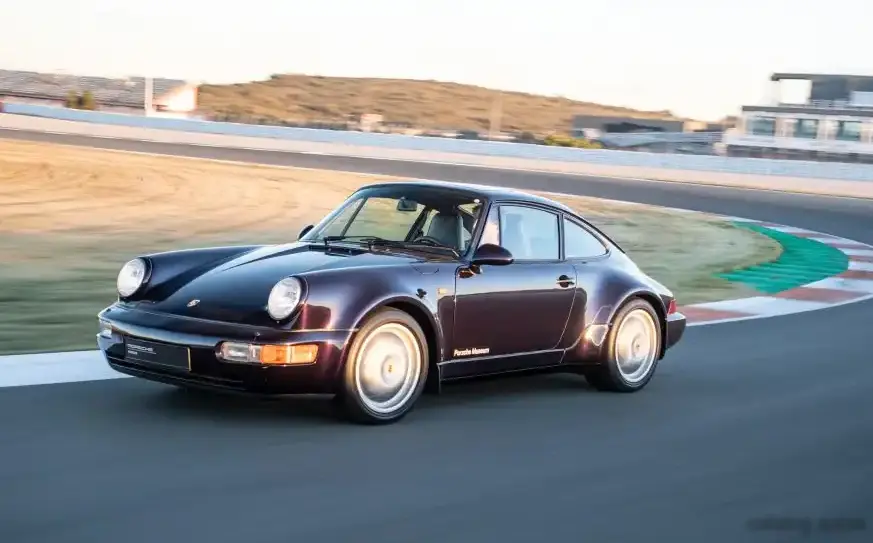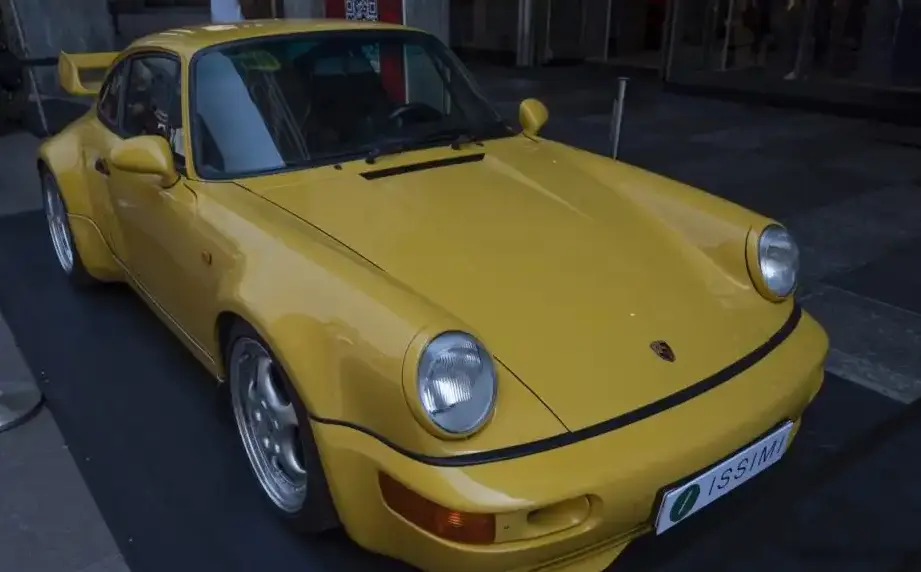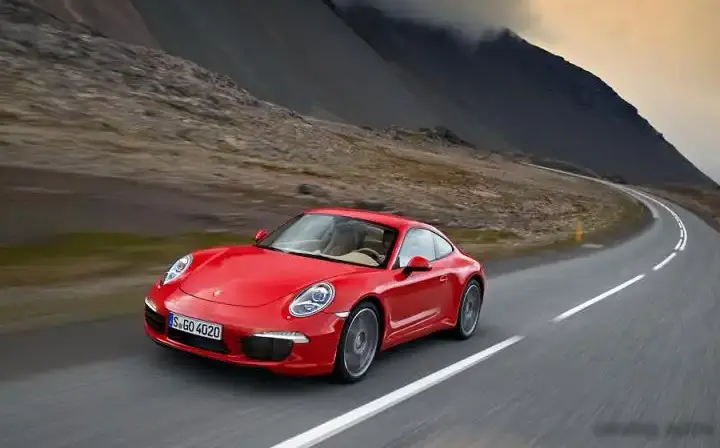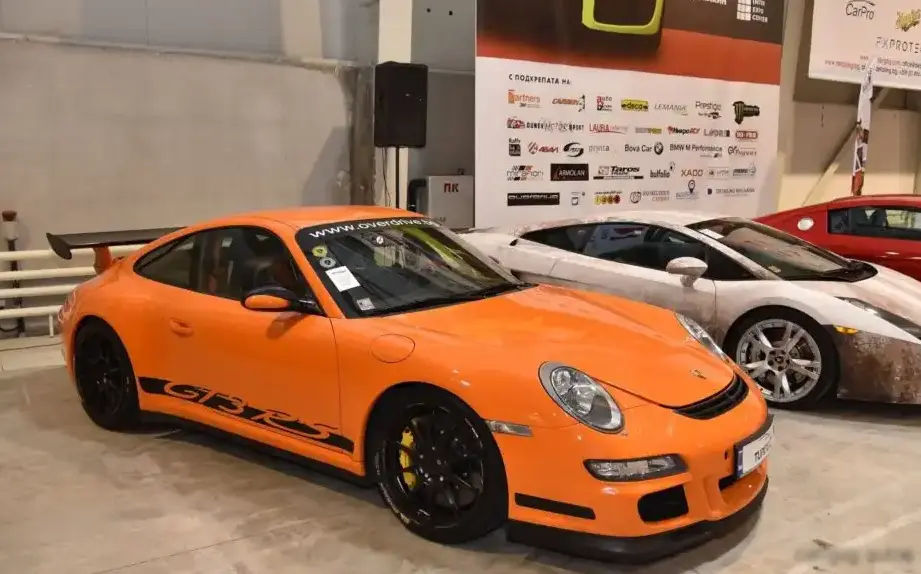
The Porsche 911 Turbo (997) 3.6 Tiptronic S, produced between 2006 and 2009, represented a significant evolution of Porsche’s iconic sports car. Positioned as the automatic transmission variant of the 997 Turbo, it offered a blend of blistering performance and relative ease of use, appealing to drivers who desired the Turbo’s capabilities without the involvement of a manual gearbox. This model sat at the top of the 997 range, offering more power and performance than the Carrera and Carrera S models, but providing a different driving experience than the standard six-speed manual transmission Turbo. It was a key component of the 997 generation, which itself was a major step forward in terms of technology and refinement for the 911.
Technical Specifications
| Brand | Porsche |
| Model | 911 |
| Generation | 911 (997) |
| Type (Engine) | Turbo 3.6 (480 Hp) Tiptronic S |
| Start of production | 2006 |
| End of production | 2009 |
| Powertrain Architecture | Internal Combustion engine |
| Body type | Coupe |
| Seats | 4 |
| Doors | 2 |
| Fuel consumption (economy) – urban | 19.8 l/100 km (11.9 US mpg, 14.3 UK mpg, 5.1 km/l) |
| Fuel consumption (economy) – extra urban | 9.6 l/100 km (24.5 US mpg, 29.4 UK mpg, 10.4 km/l) |
| Fuel consumption (economy) – combined | 13.6 l/100 km (17.3 US mpg, 20.8 UK mpg, 7.4 km/l) |
| CO2 emissions | 326 g/km |
| Fuel Type | Petrol (Gasoline) |
| Acceleration 0 – 100 km/h | 3.7 sec |
| Acceleration 0 – 62 mph | 3.7 sec |
| Acceleration 0 – 60 mph | 3.5 sec |
| Maximum speed | 310 km/h (192.63 mph) |
| Emission standard | Euro 4 |
| Weight-to-power ratio | 3.4 kg/Hp, 296.3 Hp/tonne |
| Weight-to-torque ratio | 2.6 kg/Nm, 382.7 Nm/tonne |
| Power | 480 Hp @ 6000 rpm |
| Power per litre | 133.3 Hp/l |
| Torque | 620 Nm @ 1950 rpm (457.29 lb.-ft. @ 1950 rpm) |
| Engine layout | Rear, Longitudinal |
| Engine Model/Code | M97.70 |
| Engine displacement | 3600 cm3 (219.69 cu. in.) |
| Number of cylinders | 6 |
| Engine configuration | Boxer |
| Cylinder Bore | 100 mm (3.94 in.) |
| Piston Stroke | 76.4 mm (3.01 in.) |
| Compression ratio | 9:1 |
| Number of valves per cylinder | 4 |
| Fuel injection system | Multi-port manifold injection |
| Engine aspiration | Turbocharger, Intercooler |
| Engine oil capacity | 8 l (8.45 US qt | 7.04 UK qt) |
| Coolant | 25 l (26.42 US qt | 22 UK qt) |
| Kerb Weight | 1620 kg (3571.49 lbs.) |
| Max. weight | 1680 kg (3703.77 lbs.) |
| Max load | 60 kg (132.28 lbs.) |
| Trunk (boot) space – maximum | 105 l (3.71 cu. ft.) |
| Fuel tank capacity | 67 l (17.7 US gal | 14.74 UK gal) |
| Length | 4450 mm (175.2 in.) |
| Width | 1852 mm (72.91 in.) |
| Height | 1300 mm (51.18 in.) |
| Wheelbase | 2350 mm (92.52 in.) |
| Drag coefficient (Cd) | 0.31 |
| Minimum turning circle | 10.9 m (35.76 ft.) |
| Drive wheel | All wheel drive (4×4) |
| Number of gears and type of gearbox | 5 gears, automatic transmission Tiptronic S |
| Front suspension | Independent type McPherson |
| Rear suspension | Independent multi-link suspension |
| Front brakes | Ventilated discs |
| Rear brakes | Ventilated discs |
| Assisting systems | ABS (Anti-lock braking system) |
| Steering type | Steering rack and pinion |
| Power steering | Hydraulic Steering |
| Tires size | 235/35 ZR19; 305/30 ZR19 |
| Wheel rims size | 8.5J x 19; 11J x 19 |
Powertrain & Engine Architecture
At the heart of the 997 Turbo Tiptronic S lies the M97.70 engine, a 3.6-liter twin-turbocharged flat-six. This engine builds upon the Mezger engine family, renowned for its robustness and performance potential. The M97.70 featured dry-sump lubrication, a hallmark of Porsche engineering, ensuring consistent oil supply even under extreme cornering forces. Each cylinder bank benefits from a single turbocharger with variable turbine geometry (VTG), minimizing turbo lag and providing a broad torque curve. Fuel delivery is managed by a multi-port fuel injection system. The engine produces 480 horsepower at 6000 rpm and a substantial 620 Nm (457 lb-ft) of torque, readily available from as low as 1950 rpm. The Tiptronic S transmission is a five-speed automatic with manual shift capability. It utilizes torque converter technology but offers quicker shift times and a more engaging driving experience than a traditional automatic. Drivers could select between fully automatic mode or manually shift gears using the steering wheel-mounted paddles or the gear selector.
Driving Characteristics
The 997 Turbo Tiptronic S delivers a remarkably smooth and potent driving experience. While not as raw or engaging as the manual version, the Tiptronic S transmission provides surprisingly quick and precise shifts, especially in Sport mode. The readily available torque from the twin-turbocharged engine provides effortless acceleration in any gear. The all-wheel-drive system ensures excellent traction, allowing the car to put its power down effectively even in less-than-ideal conditions. Compared to the standard Carrera models, the Turbo Tiptronic S offers a significantly more powerful and refined experience. The manual Turbo, however, provides a more direct connection to the car and a slightly quicker overall pace due to the elimination of transmission losses. The Tiptronic S prioritizes usability and comfort, making it a more suitable choice for drivers who frequently encounter traffic or prefer a less demanding driving experience.
Equipment & Trim Levels
The 997 Turbo Tiptronic S came generously equipped as standard. Interior features included leather upholstery, power-adjustable sports seats, a Bose sound system, and automatic climate control. Exterior features included the signature Turbo-specific bodywork, including wider fenders, a rear wing, and unique alloy wheels. Optional extras were plentiful, allowing buyers to personalize their cars to their liking. Popular options included adaptive sports seats, a navigation system, a sunroof, and carbon fiber interior trim. The interior layout was typical of the 997 generation, with a driver-focused cockpit and high-quality materials throughout.
Chassis & Braking
The 997 Turbo featured a sophisticated chassis designed to handle its considerable power. It utilized an independent suspension system with McPherson struts at the front and a multi-link setup at the rear. Porsche Active Suspension Management (PASM) was standard, allowing drivers to adjust the damper settings for a more comfortable or sportier ride. Braking duties were handled by ventilated discs on all four wheels, providing exceptional stopping power. The braking system was further enhanced by Porsche Stability Management (PSM), which helped to maintain control during hard braking or cornering. The car’s weight distribution was carefully optimized to enhance handling balance.
Market Reception & Comparison
The 997 Turbo Tiptronic S was generally well-received by automotive critics. It was praised for its blistering performance, refined ride, and user-friendly automatic transmission. However, some critics noted that the Tiptronic S transmission lacked the engagement of the manual gearbox. Compared to the 997 Carrera S, the Turbo offered a significant performance upgrade, but at a substantial price premium. Fuel economy was relatively poor, typical for a high-performance sports car of this caliber. Reliability was generally good, although the complex turbocharging system required regular maintenance.
Legacy
The 997 Turbo Tiptronic S remains a highly desirable sports car today. The M97.70 engine is known for its durability, and well-maintained examples can provide years of reliable performance. The car’s timeless design and exhilarating driving experience continue to appeal to enthusiasts. On the used car market, prices for well-maintained 997 Turbo Tiptronic S models have remained relatively stable, reflecting their enduring appeal and collectibility. It represents a sweet spot in the 911 lineage, offering a compelling blend of performance, luxury, and usability.