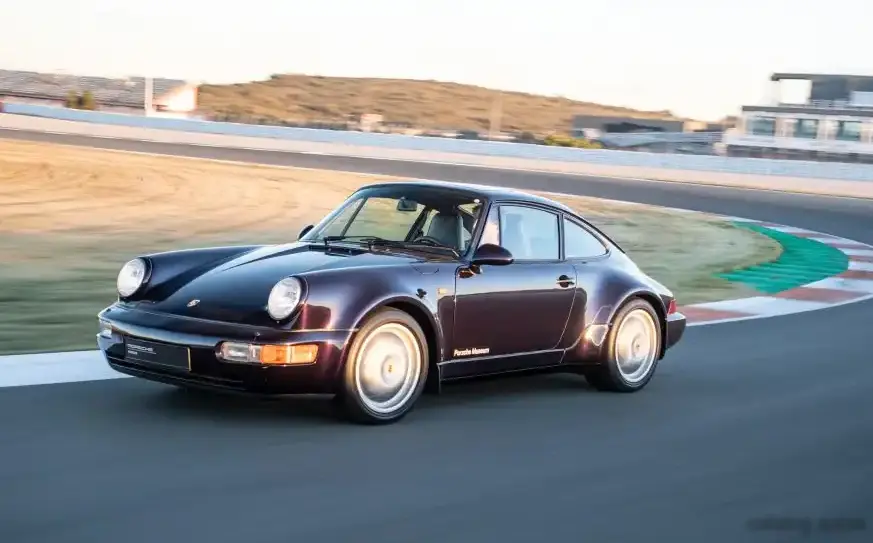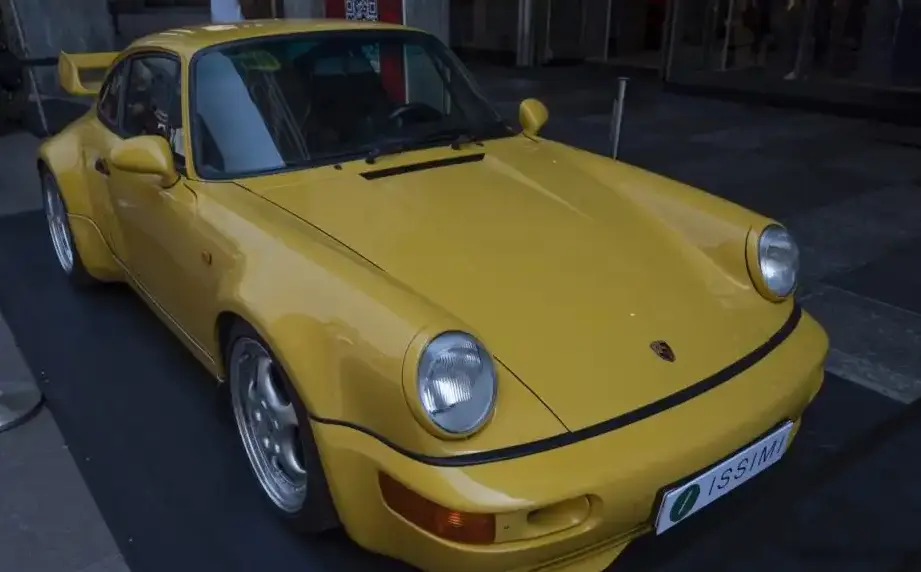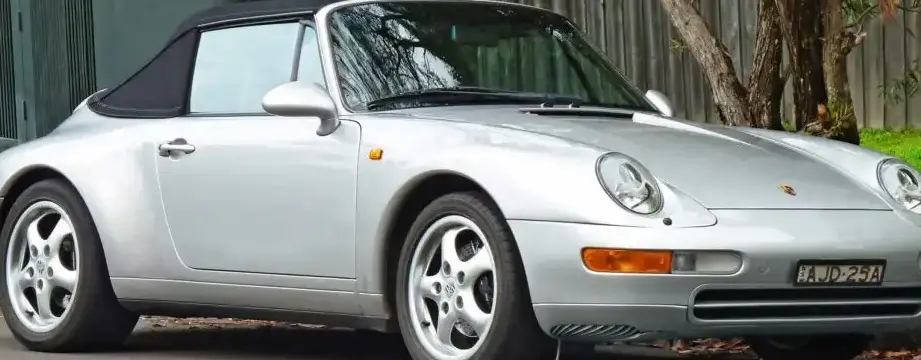
The Porsche 911 Cabriolet (993) Carrera 4 3.6, produced between 1995 and 1997, represents a pivotal moment in the 911 lineage. As the final iteration of the air-cooled 911 before the introduction of water cooling with the 996 generation, the 993 combined classic 911 aesthetics with significant technological advancements. The Carrera 4 3.6 was the top-tier offering in the 993 Cabriolet range, distinguished by its all-wheel-drive system and larger 3.6-liter engine. It sat above the base Carrera Cabriolet, offering increased performance and a more sophisticated driving experience. This model played a crucial role in solidifying the 911’s reputation as a desirable and capable sports car, bridging the gap between the traditional air-cooled era and the modern, water-cooled future.
Technical Specifications
| Brand | Porsche |
| Model | 911 |
| Generation | 911 Cabriolet (993) |
| Type (Engine) | Carrera 4 3.6 (285 Hp) |
| Start of production | 1995 |
| End of production | 1997 |
| Powertrain Architecture | Internal Combustion engine |
| Body type | Cabriolet |
| Seats | 4 |
| Doors | 2 |
| Fuel consumption (economy) – urban | 18.4 l/100 km (12.8 US mpg, 15.4 UK mpg, 5.4 km/l) |
| Fuel consumption (economy) – extra urban | 9.2 l/100 km (25.6 US mpg, 30.7 UK mpg, 10.9 km/l) |
| Fuel consumption (economy) – combined | 12.6 l/100 km (18.7 US mpg, 22.4 UK mpg, 7.9 km/l) |
| CO2 emissions | 289 g/km |
| Fuel Type | Petrol (Gasoline) |
| Acceleration 0 – 100 km/h | 5.3 sec |
| Acceleration 0 – 62 mph | 5.3 sec |
| Acceleration 0 – 60 mph | 5 sec |
| Maximum speed | 275 km/h (170.88 mph) |
| Weight-to-power ratio | 5 kg/Hp, 200.7 Hp/tonne |
| Weight-to-torque ratio | 4.2 kg/Nm, 239.4 Nm/tonne |
| Power | 285 Hp @ 6100 rpm |
| Power per litre | 79.2 Hp/l |
| Torque | 340 Nm @ 5250 rpm (250.77 lb.-ft. @ 5250 rpm) |
| Engine layout | Rear, Longitudinal |
| Engine Model/Code | M64.21 |
| Engine displacement | 3600 cm3 (219.69 cu. in.) |
| Number of cylinders | 6 |
| Engine configuration | Boxer |
| Compression ratio | 11.3:1 |
| Number of valves per cylinder | 2 |
| Fuel injection system | Multi-port manifold injection |
| Engine aspiration | Naturally aspirated engine |
| Valvetrain | SOHC |
| Engine oil capacity | 9 l (9.51 US qt | 7.92 UK qt) |
| Kerb Weight | 1420 kg (3130.56 lbs.) |
| Max. weight | 1760 kg (3880.14 lbs.) |
| Max load | 340 kg (749.57 lbs.) |
| Trunk (boot) space – maximum | 123 l (4.34 cu. ft.) |
| Length | 4245 mm (167.13 in.) |
| Width | 1735 mm (68.31 in.) |
| Height | 1300 mm (51.18 in.) |
| Wheelbase | 2272 mm (89.45 in.) |
| Front track | 1405 mm (55.31 in.) |
| Rear (Back) track | 1444 mm (56.85 in.) |
| Drive wheel | All wheel drive (4×4) |
| Number of gears and type of gearbox | 6 gears, manual transmission |
| Front suspension | Independent type McPherson |
| Rear suspension | Independent multi-link suspension |
| Front brakes | Ventilated discs |
| Rear brakes | Ventilated discs |
| Assisting systems | ABS (Anti-lock braking system), Hydraulic Steering |
| Tires size | 205/55 R16; 245/45 R16 |
| Wheel rims size | 7J x 16; 9J x 16 |
Powertrain & Engine Architecture
The heart of the 993 Carrera 4 3.6 is the M64.21 engine, a 3.6-liter naturally aspirated flat-six. This engine represented a significant evolution of the air-cooled 911 powerplant. While still retaining the iconic boxer configuration, it incorporated hydraulic valve lifters to eliminate the need for periodic valve adjustments, a maintenance headache of earlier 911s. The engine utilized a Bosch Motronic engine management system controlling multi-port fuel injection. The 11.3:1 compression ratio and optimized intake and exhaust systems contributed to the engine’s 285 horsepower output. The six-speed manual transmission was standard, providing precise gear changes and enhancing the driving experience. The all-wheel-drive system, a key feature of the Carrera 4, employed a viscous coupling to distribute power between the front and rear axles, enhancing traction and stability, particularly in adverse weather conditions.
Driving Characteristics
The 993 Carrera 4 3.6 offered a refined yet engaging driving experience. The 3.6-liter engine delivered a broad torque curve, providing ample power throughout the rev range. Acceleration to 60 mph was achieved in approximately 5 seconds, and the car could reach a top speed of 170.88 mph. The all-wheel-drive system instilled confidence, especially on slippery surfaces, and minimized understeer. Compared to the base Carrera, the Carrera 4 offered improved grip and stability, but some purists felt it lacked the raw, tail-happy feel of the rear-wheel-drive models. The six-speed gearbox provided well-spaced ratios, allowing the driver to keep the engine in its sweet spot. The steering was precise and communicative, providing excellent feedback from the road.
Equipment & Trim Levels
The Carrera 4 3.6 was well-equipped as standard, reflecting its position as the top-of-the-line Cabriolet. Standard features included leather upholstery, power windows, power steering, air conditioning, and an upgraded sound system. Optional extras were plentiful, allowing buyers to personalize their cars. Popular options included a limited-slip differential, sport seats, a sunroof, and various interior trim packages. The interior design was characterized by its functional layout and high-quality materials. The dashboard featured analog gauges, providing clear and concise information to the driver.
Chassis & Braking
The 993 chassis represented a significant advancement over previous 911 generations. It featured a stiffer structure and improved suspension geometry. The Carrera 4 utilized independent suspension all around, with McPherson struts at the front and a multi-link setup at the rear. Ventilated disc brakes were standard on all four wheels, providing ample stopping power. The anti-lock braking system (ABS) enhanced safety by preventing wheel lockup during hard braking. The Carrera 4 also featured a hydraulic power steering system, providing precise and responsive steering feel.
Market Reception & Comparison
The 993 Carrera 4 3.6 was widely praised by automotive critics for its performance, handling, and refinement. It was considered a worthy successor to the long line of 911s. Compared to the base Carrera, the Carrera 4 offered increased performance and all-weather capability, but at a higher price. Fuel economy was reasonable for a sports car of its caliber, averaging around 18.7 US mpg in combined driving. Reliability was generally good, although maintenance costs could be high due to the car’s complex engineering and the need for specialized parts.
Legacy
The Porsche 911 (993) Carrera 4 3.6 has become a highly sought-after collector’s car. Its status as the last of the air-cooled 911s, combined with its performance and refinement, has made it a favorite among enthusiasts. The M64.21 engine is known for its durability and relatively straightforward maintenance, although regular servicing is essential. Today, well-maintained examples command high prices in the used car market, reflecting their enduring appeal and historical significance. The 993 Carrera 4 3.6 represents a high point in Porsche’s engineering and design, and it continues to be celebrated as a true icon of the automotive world.