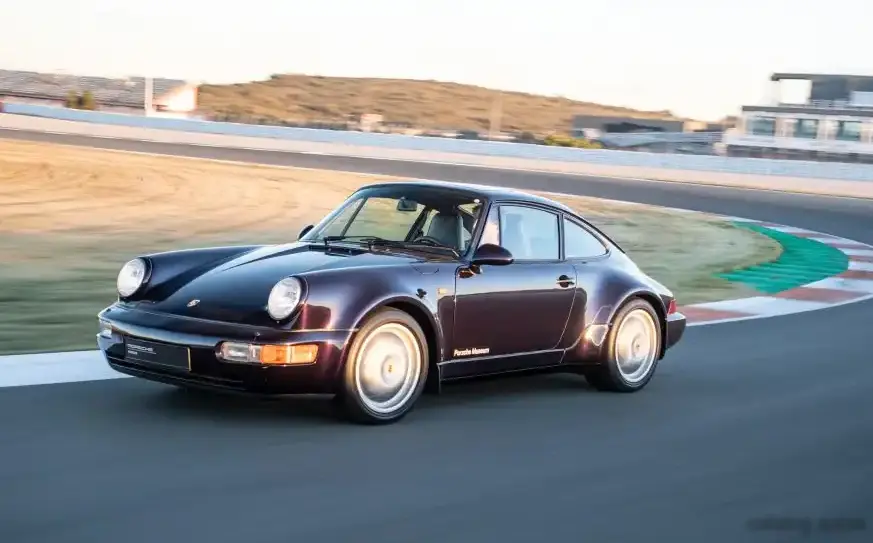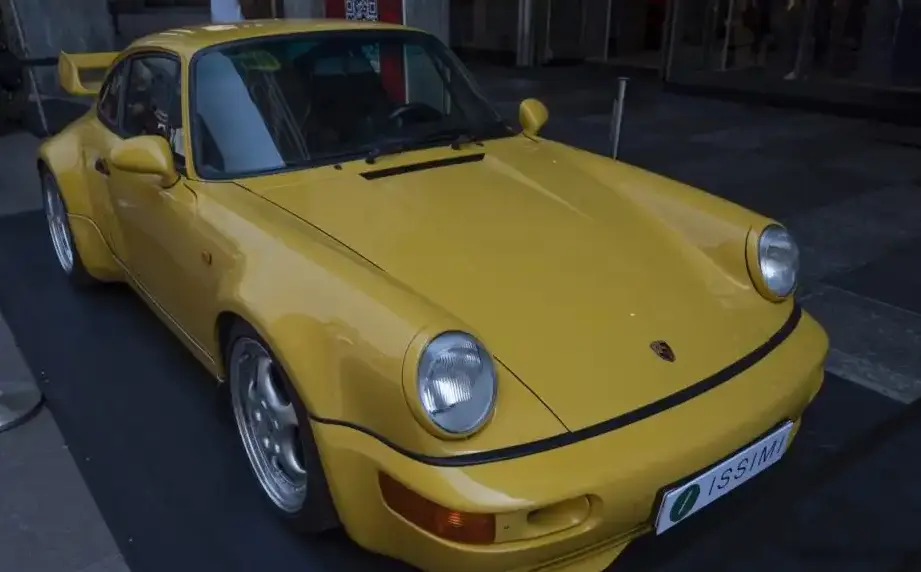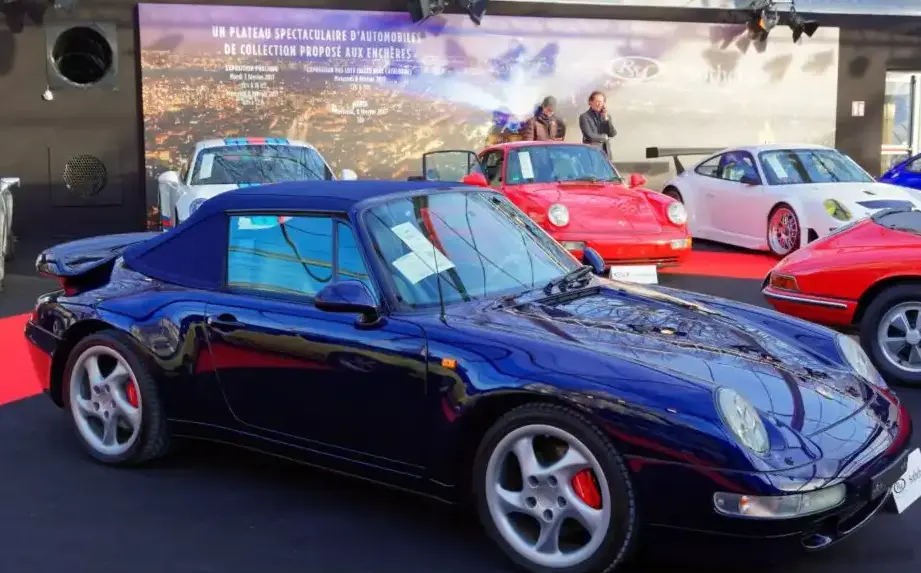
The Porsche 911 Cabriolet (993) Turbo 3.6, produced for the 1995 model year, represents the pinnacle of the 993 generation’s open-top performance. It was a limited-production model, arriving late in the 993 lifecycle and serving as a potent, luxurious, and highly desirable variant. The 993 generation, produced from 1994 to 1998, was the last of the air-cooled 911s, and the Turbo 3.6 Cabriolet combined the iconic flat-six engine with the open-air experience of a convertible. This model occupied the top performance tier for 993 Cabriolets, exceeding the capabilities of the standard Carrera and even the earlier 993 Turbo models.
Technical Specifications
| Brand | Porsche |
| Model | 911 |
| Generation | 911 Cabriolet (993) |
| Type | Turbo 3.6 (365 Hp) |
| Start of production | 1995 |
| End of production | 1995 |
| Powertrain Architecture | Internal Combustion engine |
| Body type | Cabriolet |
| Seats | 4 |
| Doors | 2 |
| Fuel Type | Petrol (Gasoline) |
| Power | 365 Hp @ 5500 rpm |
| Power per litre | 101.4 Hp/l |
| Torque | 495 Nm @ 4200 rpm / 365.09 lb.-ft. @ 4200 rpm |
| Engine layout | Rear, Longitudinal |
| Engine displacement | 3600 cm3 / 219.69 cu. in. |
| Number of cylinders | 6 |
| Engine configuration | Boxer |
| Compression ratio | 7.5:1 |
| Number of valves per cylinder | 2 |
| Engine aspiration | Turbocharger |
| Valvetrain | SOHC |
| Fuel tank capacity | 92 l / 24.3 US gal | 20.24 UK gal |
| Wheelbase | 2273 mm / 89.49 in. |
| Drivetrain Architecture | The Internal combustion engine (ICE) drives the rear wheels of the vehicle. |
| Drive wheel | Rear wheel drive |
| Number of gears and type of gearbox | 5 gears, manual transmission |
| Front suspension | Independent type McPherson |
| Rear suspension | Independent multi-link suspension |
| Front brakes | Ventilated discs |
| Rear brakes | Ventilated discs |
| Assisting systems | ABS (Anti-lock braking system) |
| Steering type | Steering rack and pinion |
| Power steering | Hydraulic Steering |
Powertrain & Engine Architecture
The heart of the 993 Turbo 3.6 Cabriolet is its 3.6-liter, twin-turbocharged flat-six engine. This engine, internally designated as the M64/60, was a significant evolution of the previous 993 Turbo’s powerplant. It featured larger turbochargers and intercoolers, along with revised engine management software, resulting in a substantial power increase. The engine utilizes a single overhead camshaft (SOHC) design per cylinder bank, operating two valves per cylinder. Fuel delivery is managed by a Bosch Motronic engine control unit, overseeing a sophisticated fuel injection system. The turbochargers themselves are KKK units, providing boost to enhance both power and torque. The engine’s longitudinal rear-mounted layout contributes to the 911’s characteristic handling balance. The 5-speed manual transmission was the only gearbox option, designed to handle the substantial torque output.
Driving Characteristics
The 993 Turbo 3.6 Cabriolet delivers a thrilling driving experience. The 365 horsepower and 365 lb-ft of torque provide exhilarating acceleration, with 0-60 mph times estimated around 3.7 seconds. The turbochargers introduce a degree of turbo lag, but once on boost, the power delivery is remarkably strong and linear. The manual transmission offers precise shifts, allowing the driver to fully exploit the engine’s capabilities. Compared to the standard 993 Carrera Cabriolet, the Turbo 3.6 offers a significantly more aggressive and focused driving experience. While the Carrera prioritizes everyday usability, the Turbo 3.6 is geared towards performance enthusiasts. The open-top configuration adds another dimension to the experience, allowing drivers to fully appreciate the engine’s sound and the sensation of speed. The rear-wheel drive configuration and carefully tuned suspension contribute to exceptional handling, although it demands respect from the driver.
Equipment & Trim Levels
The 993 Turbo 3.6 Cabriolet was exceptionally well-equipped, reflecting its status as the flagship Cabriolet model. Standard features included leather upholstery, power-adjustable seats, air conditioning, a high-end sound system, and a limited-slip differential. The interior trim was typically executed in a combination of leather and carbon fiber, enhancing the sporty ambiance. Optional extras included a CD changer, upgraded sound systems, and personalized interior trim options. The exterior featured unique Turbo-specific bodywork, including wider rear fenders, a rear wing, and distinctive wheels. The convertible top was fully automatic and well-insulated, providing a comfortable driving experience in various weather conditions.
Chassis & Braking
The 993 Turbo 3.6 Cabriolet benefits from a robust chassis and high-performance braking system. The suspension utilizes independent McPherson struts at the front and a multi-link setup at the rear, providing excellent handling and ride comfort. Stabilizer bars are fitted front and rear to reduce body roll during cornering. The braking system features ventilated discs on all four wheels, providing ample stopping power. Anti-lock braking system (ABS) is standard, enhancing safety and control. The chassis was reinforced compared to the standard Carrera Cabriolet to handle the increased power and torque of the Turbo engine. The steering is a rack-and-pinion system with hydraulic power assistance, offering precise and responsive steering feel.
Market Reception & Comparison
The 993 Turbo 3.6 Cabriolet was widely praised by automotive critics for its exceptional performance, luxurious features, and overall driving experience. It was considered a benchmark for open-top sports cars of its era. Compared to the 993 Turbo Coupe, the Cabriolet offered a more accessible and enjoyable driving experience for many, albeit with a slight weight penalty. Fuel economy, while not a primary concern for buyers of this vehicle, was reasonable for a high-performance sports car. Reliability was generally good, although the complex turbocharging system required regular maintenance. The 993 Turbo 3.6 Cabriolet commanded a significant premium over the standard Carrera Cabriolet, reflecting its higher performance and exclusivity.
Legacy
The Porsche 911 Cabriolet (993) Turbo 3.6 remains a highly sought-after collector’s car today. Its limited production numbers and iconic status contribute to its enduring appeal. The M64/60 engine is considered a masterpiece of engineering, and the 993 generation is widely regarded as one of the best 911s ever produced. Well-maintained examples command high prices in the used car market. The powertrain, while requiring diligent maintenance, is generally considered robust and reliable. The 993 Turbo 3.6 Cabriolet represents the culmination of Porsche’s air-cooled 911 legacy, offering a unique blend of performance, luxury, and open-air driving enjoyment.