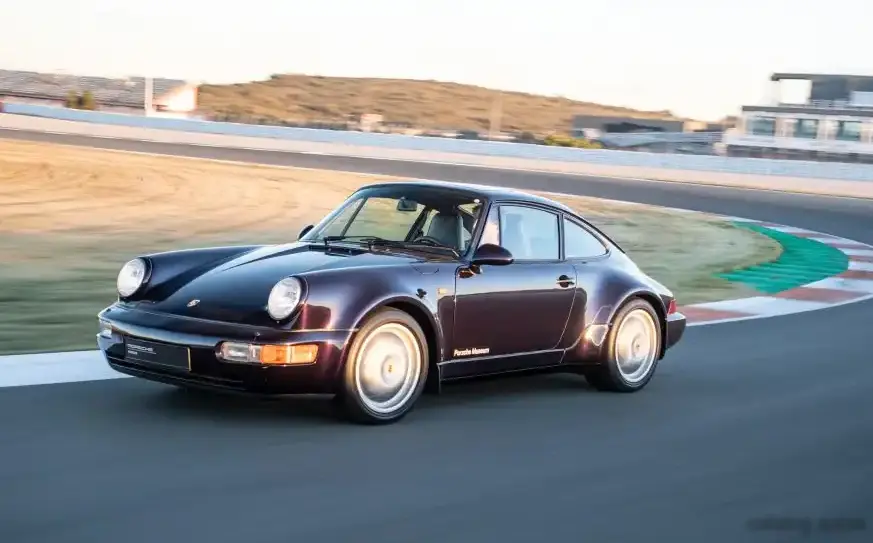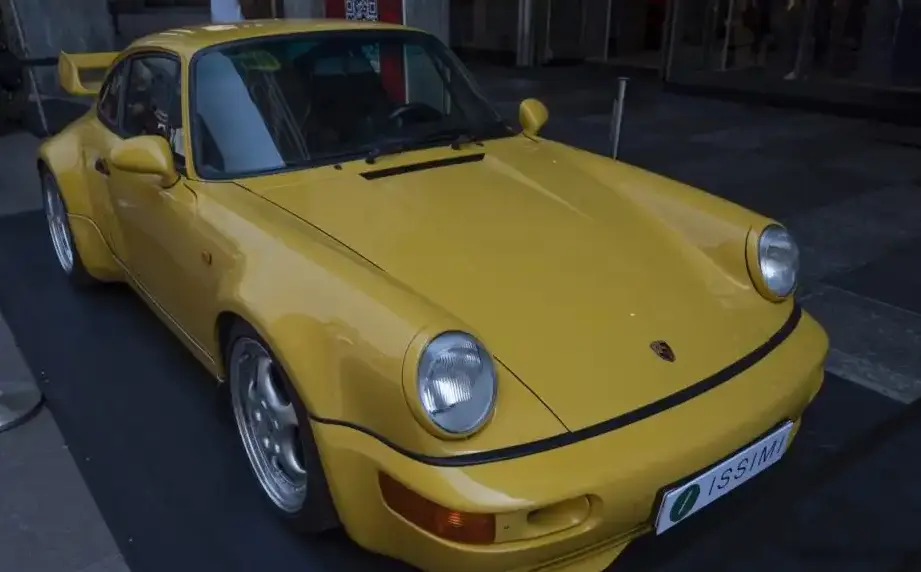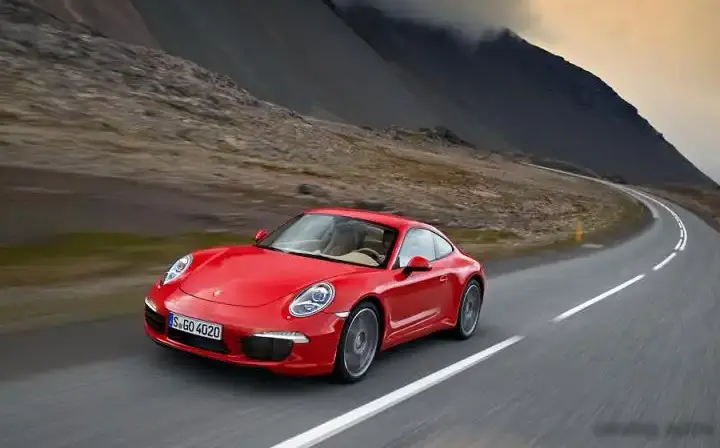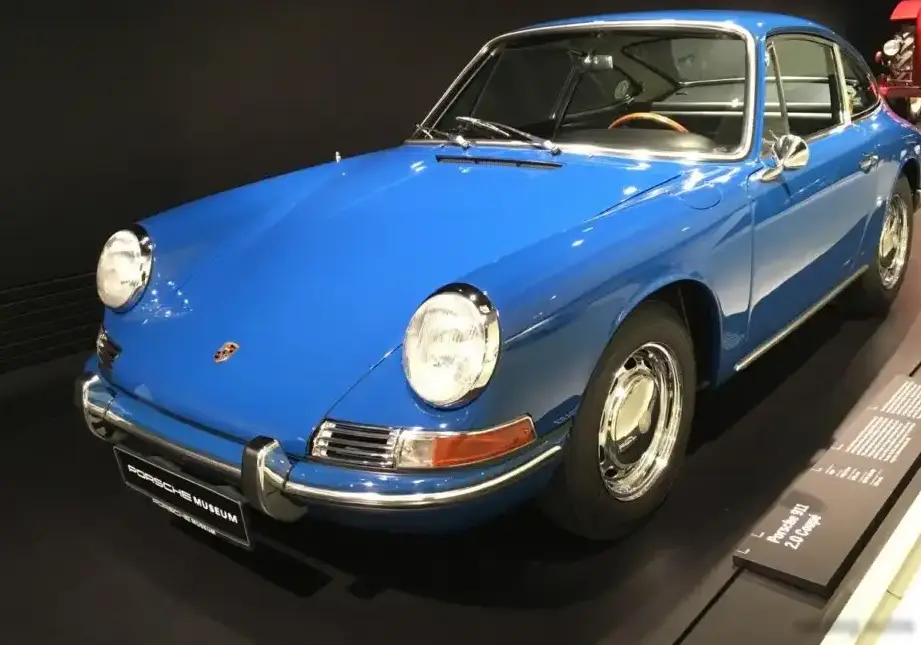
The Porsche 911 Coupe (F) 2.0, producing 130 horsepower, represents the foundational iteration of what would become an automotive icon. Produced between 1964 and 1967, this initial 911 – internally designated as the 901 before a naming conflict with Peugeot forced the change to 911 – established the core design principles and rear-engine, rear-wheel-drive layout that would define the model for decades. It was the first model in the long and storied 911 lineage, and served as Porsche’s replacement for the aging 356. This early 911 was aimed at the sports car enthusiast seeking a more refined and capable machine than the 356, while still retaining the engaging driving experience Porsche was known for.
Technical Specifications
| Brand | Porsche |
| Model | 911 |
| Generation | 911 Coupe (F) |
| Type (Engine) | 2.0 (130 Hp) |
| Start of production | 1964 |
| End of production | 1967 |
| Powertrain Architecture | Internal Combustion engine |
| Body type | Coupe |
| Seats | 4 |
| Doors | 2 |
| Fuel Type | Petrol (Gasoline) |
| Acceleration 0 – 60 mph | 8 sec |
| Maximum speed | 210 km/h (130.49 mph) |
| Weight-to-power ratio | 8.3 kg/Hp, 120.4 Hp/tonne |
| Weight-to-torque ratio | 6.2 kg/Nm, 162 Nm/tonne |
| Power | 130 Hp @ 6100 rpm |
| Power per litre | 65.3 Hp/l |
| Torque | 175 Nm @ 4200 rpm (129.07 lb.-ft. @ 4200 rpm) |
| Engine layout | Rear, Longitudinal |
| Engine Model/Code | 901.01 |
| Engine displacement | 1991 cm3 (121.5 cu. in.) |
| Number of cylinders | 6 |
| Engine configuration | Boxer |
| Cylinder Bore | 80 mm (3.15 in.) |
| Piston Stroke | 66 mm (2.6 in.) |
| Compression ratio | 9:1 |
| Number of valves per cylinder | 2 |
| Fuel injection system | Carburettor |
| Engine aspiration | Naturally aspirated engine |
| Valvetrain | OHC |
| Engine oil capacity | 9 l (9.51 US qt | 7.92 UK qt) |
| Kerb Weight | 1080 kg (2380.99 lbs.) |
| Max. weight | 1400 kg (3086.47 lbs.) |
| Max load | 320 kg (705.48 lbs.) |
| Fuel tank capacity | 62 l (16.38 US gal | 13.64 UK gal) |
| Length | 4163 mm (163.9 in.) |
| Width | 1610 mm (63.39 in.) |
| Height | 1320 mm (51.97 in.) |
| Wheelbase | 2211 mm (87.05 in.) |
| Front track | 1337 mm (52.64 in.) |
| Rear (Back) track | 1317 mm (51.85 in.) |
| Ride height (ground clearance) | 150 mm (5.91 in.) |
| Minimum turning circle (turning diameter) | 10.3 m (33.79 ft.) |
| Drivetrain Architecture | The Internal combustion engine (ICE) drives the rear wheels of the vehicle. |
| Drive wheel | Rear wheel drive |
| Number of gears and type of gearbox | 5 gears, manual transmission |
| Front suspension | Spring Strut, Wishbone |
| Rear suspension | Trailing arm |
| Front brakes | Disc, 235 mm |
| Rear brakes | Disc, 243 mm |
| Steering type | Steering rack and pinion |
Powertrain & Engine Architecture
The heart of the 911 Coupe (F) 2.0 is its 1991cc air-cooled, flat-six “boxer” engine, designated the 901.01. This engine, a direct descendant of the 356’s powerplant, featured a single overhead camshaft (OHC) operating two valves per cylinder. Fuel delivery was managed by three twin-choke Weber 40 IDA-3 carburetors, a relatively simple but effective system for the time. The engine’s layout, with cylinders horizontally opposed, contributed to a low center of gravity, enhancing handling. The 911’s engine was mounted longitudinally behind the rear axle, a configuration that would become a defining characteristic of the model. The five-speed manual transmission was the only gearbox option available initially, providing precise control over the engine’s power. The engine produced 130 horsepower at 6,100 rpm and 129.07 lb-ft of torque at 4,200 rpm.
Driving Characteristics
The 1964-1967 911 2.0 offered a distinctly engaging driving experience. While not brutally fast by modern standards – 0-60 mph in around 8 seconds – it provided a responsive and balanced feel. The rear-engine layout demanded respect, as it could lead to oversteer if pushed too hard, but skilled drivers found it rewarding. The five-speed manual transmission allowed for precise gear selection, maximizing the engine’s power band. Compared to later, more powerful 911 variants, the 2.0-liter model felt more nimble and approachable. The relatively light weight of 2381 lbs contributed to its agility. The engine’s torque curve was relatively flat, providing usable power throughout the rev range, but it required frequent shifting to maintain momentum.
Equipment & Trim Levels
The early 911s were relatively spartan in terms of standard equipment, reflecting the car’s focus on driving performance. The interior featured simple, functional instrumentation, including a central tachometer, and comfortable bucket seats. Upholstery was typically cloth or vinyl. Optional extras included a Webasto heater, a Blaupunkt radio, and leather seats. Trim levels were minimal; the focus was on providing a pure sports car experience. The exterior was typically finished in a single color, with a limited range of options available. Chrome trim was used sparingly, emphasizing the car’s clean lines.
Chassis & Braking
The 911 Coupe (F) 2.0 utilized a robust chassis with independent suspension all around. The front suspension employed a combination of spring struts and wishbones, while the rear suspension featured trailing arms and torsion bars. This setup provided a good balance of ride comfort and handling precision. Braking was accomplished via disc brakes on all four wheels, a relatively advanced feature for the time. The front brakes measured 235mm in diameter, while the rear brakes were slightly larger at 243mm. Steering was via a rack and pinion system, providing precise and responsive control.
Market Reception & Comparison
The initial reception to the 911 was generally positive, with critics praising its handling, performance, and overall refinement. However, some reviewers noted the car’s challenging handling characteristics due to its rear-engine layout. Compared to the 356 it replaced, the 911 offered significantly improved performance and a more modern driving experience. Later iterations of the 911, such as the 911S with its higher-output engine, offered even greater performance, but at a higher price point. The 2.0-liter 911 represented an excellent entry point into the 911 range, offering a compelling blend of performance, handling, and affordability.
Legacy
The Porsche 911 Coupe (F) 2.0 holds a significant place in automotive history as the progenitor of one of the most iconic sports cars ever created. The engine, while relatively simple by today’s standards, proved to be remarkably durable and reliable. Today, these early 911s are highly sought after by collectors, commanding premium prices. The 901.01 engine, while requiring regular maintenance, is generally considered to be a robust and long-lasting powerplant. The 911’s enduring success is a testament to the brilliance of its original design and the unwavering commitment of Porsche to continuous improvement. The 2.0-liter model, in particular, represents a pure and unadulterated expression of the 911’s core values.