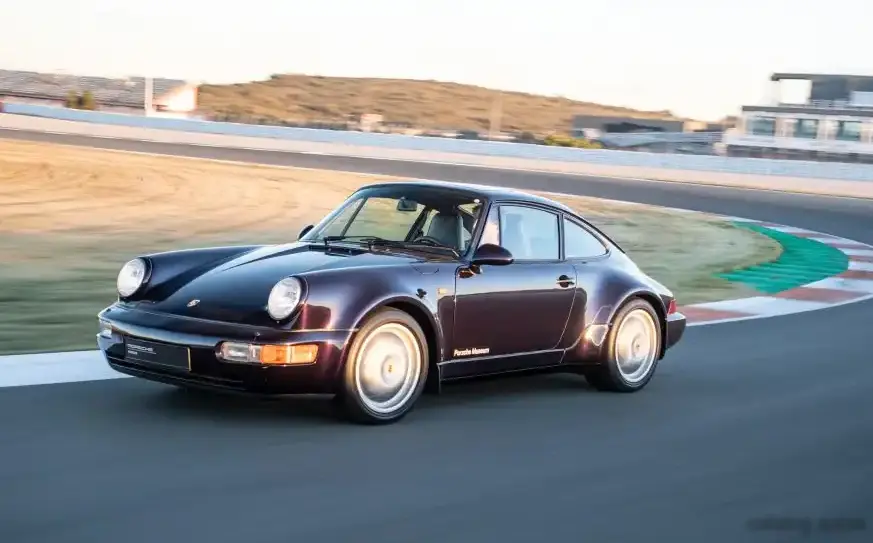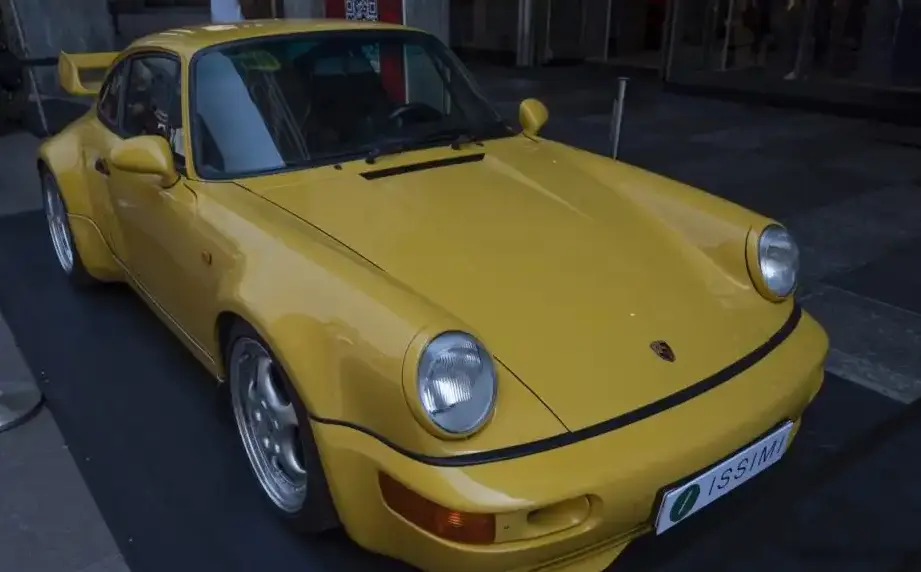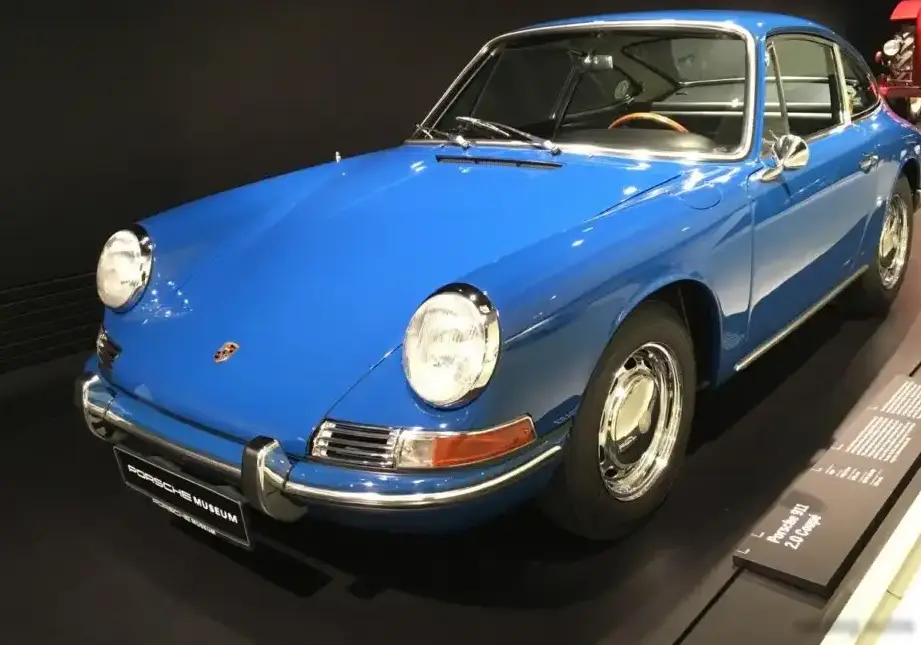
The Porsche 911 Coupe (F) 2.2 E, produced between 1969 and 1972, represents a pivotal evolution in the iconic 911 lineage. Falling within the “F” series (1970-1973), this variant occupied a middle ground in the 911 range, offering a blend of performance and refinement. It was positioned above the base 911T and below the more potent 911S, catering to drivers seeking a more sophisticated grand touring experience. The 2.2 E distinguished itself through its increased displacement and improved engine management compared to earlier models, contributing to enhanced drivability and a more relaxed cruising character. This model is significant as it bridged the gap between the original, smaller-displacement 911s and the later, more powerful iterations.
Technical Specifications
| Brand | Porsche |
| Model | 911 |
| Generation | 911 Coupe (F) |
| Type (Engine) | 2.2 E (155 Hp) |
| Start of production | 1969 |
| End of production | 1972 |
| Powertrain Architecture | Internal Combustion engine |
| Body type | Coupe |
| Seats | 4 |
| Doors | 2 |
| Fuel consumption (combined) | 9.5 l/100 km |
| Fuel consumption (US mpg) | 24.8 US mpg |
| Fuel consumption (UK mpg) | 29.7 UK mpg |
| Fuel consumption (km/l) | 10.5 km/l |
| Fuel Type | Petrol (Gasoline) |
| Acceleration 0 – 100 km/h | 8 sec |
| Acceleration 0 – 62 mph | 8 sec |
| Acceleration 0 – 60 mph | 7.6 sec |
| Maximum speed | 220 km/h (136.7 mph) |
| Weight-to-power ratio | 6.6 kg/Hp, 152 Hp/tonne |
| Weight-to-torque ratio | 5.3 kg/Nm, 187.3 Nm/tonne |
| Power | 155 Hp @ 6200 rpm |
| Power per litre | 70.7 Hp/l |
| Torque | 191 Nm @ 4500 rpm (140.87 lb.-ft. @ 4500 rpm) |
| Engine layout | Rear, Longitudinal |
| Engine Model/Code | 911.01 |
| Engine displacement | 2193 cm3 (133.83 cu. in.) |
| Number of cylinders | 6 |
| Engine configuration | Boxer |
| Cylinder Bore | 84 mm (3.31 in.) |
| Piston Stroke | 66 mm (2.6 in.) |
| Compression ratio | 9.1:1 |
| Engine aspiration | Naturally aspirated |
| Engine oil capacity | 9 l (9.51 US qt | 7.92 UK qt) |
| Kerb Weight | 1020 kg (2248.72 lbs.) |
| Max. weight | 1400 kg (3086.47 lbs.) |
| Max load | 380 kg (837.76 lbs.) |
| Trunk (boot) space – maximum | 200 l (7.06 cu. ft.) |
| Fuel tank capacity | 62 l (16.38 US gal | 13.64 UK gal) |
| Permitted trailer load with brakes (12%) | 600 kg (1322.77 lbs.) |
| Permitted trailer load without brakes | 480 kg (1058.22 lbs.) |
| Length | 4163 mm (163.9 in.) |
| Width | 1610 mm (63.39 in.) |
| Height | 1320 mm (51.97 in.) |
| Wheelbase | 2268 mm (89.29 in.) |
| Front track | 1374 mm (54.09 in.) |
| Rear (Back) track | 1355 mm (53.35 in.) |
| Ride height (ground clearance) | 150 mm (5.91 in.) |
| Minimum turning circle (turning diameter) | 10.7 m (35.1 ft.) |
| Drivetrain Architecture | Rear wheel drive |
| Number of gears and type of gearbox | 5 gears, manual transmission |
| Front suspension | Spring Strut, Wishbone |
| Rear suspension | Trailing arm |
| Front brakes | Disc |
| Rear brakes | Disc |
| Steering type | Steering rack and pinion |
| Tires size | 185/70 R15 |
| Wheel rims size | 6J x 15 |
Powertrain & Engine Architecture
The heart of the 911 Coupe 2.2 E is its 2193cc air-cooled, flat-six “boxer” engine, designated as the 911.01. This engine represented a significant upgrade from the earlier 2.0-liter units. It featured a larger bore and stroke (84mm x 66mm) and benefited from Bosch mechanical fuel injection, replacing the carburetors used in the 911T. This fuel injection system, while not as sophisticated as later electronic systems, provided more precise fuel delivery, improving both performance and fuel efficiency. The engine produced 155 horsepower at 6200 rpm and 191 Nm (140.87 lb-ft) of torque at 4500 rpm. The engine’s longitudinal rear-mounted layout and air-cooled design were hallmarks of the 911, contributing to its unique driving characteristics. The 2.2 E was exclusively offered with a five-speed manual transmission, providing precise control and enhancing the driving experience.
Driving Characteristics
The 911 2.2 E offered a refined driving experience compared to the more spartan 911T. The increased displacement and fuel injection resulted in smoother power delivery and improved acceleration. While not as overtly sporty as the 911S, the 2.2 E provided ample power for both spirited driving and comfortable long-distance cruising. The five-speed manual transmission allowed drivers to keep the engine in its optimal power band, maximizing performance. The rear-engine layout and relatively lightweight construction (1020 kg / 2248.72 lbs) contributed to the 911’s distinctive handling characteristics, requiring a degree of driver skill and awareness. The car’s steering was precise and communicative, providing good feedback to the driver.
Equipment & Trim Levels
The 911 2.2 E was positioned as a more luxurious offering within the 911 range. Standard features included comfortable seating, a well-appointed interior, and a comprehensive instrument panel. Interior trim options included leatherette or cloth upholstery, with a range of color choices available. Optional extras included a sunroof, power windows, and upgraded sound systems. The exterior was typically finished in a variety of solid colors, with metallic paints available at an extra cost. The 2.2 E also featured distinctive chrome trim and badging, setting it apart from the other 911 models.
Chassis & Braking
The 911 2.2 E utilized a robust chassis with independent suspension on all four wheels. The front suspension employed a combination of spring struts and wishbones, while the rear suspension featured trailing arms. This suspension setup provided a good balance of ride comfort and handling performance. Braking duties were handled by disc brakes on all four wheels, offering adequate stopping power for the car’s weight and performance. Steering was via a rack and pinion system, providing precise and responsive control. The car rode on 185/70 R15 tires mounted on 6J x 15 inch wheels.
Market Reception & Comparison
The 911 2.2 E was generally well-received by automotive critics. It was praised for its improved performance, refined driving experience, and comfortable interior. Compared to the base 911T, the 2.2 E offered a noticeable increase in power and refinement. However, it was less focused on outright performance than the 911S. Fuel economy was reasonable for the era, averaging around 24.8 US mpg. Reliability was generally good, although the air-cooled engine required regular maintenance to ensure optimal performance.
Legacy
The Porsche 911 Coupe (F) 2.2 E remains a highly sought-after classic car today. Its combination of performance, refinement, and iconic design has made it a favorite among collectors and enthusiasts. The 2.2 E’s engine is known for its durability and relatively straightforward maintenance, although finding qualified mechanics familiar with air-cooled Porsches can be a challenge. Well-maintained examples command high prices in the used car market, reflecting their rarity and historical significance. The 2.2 E represents a crucial step in the evolution of the 911, solidifying its position as one of the most iconic sports cars of all time.